Bamberg stations of the cross
Overview
The Bamberg stations of the cross are an extraordinary architectural ensemble located in the heart of Bamberg, Bavaria, Germany. This cultural heritage monument, designated as D-4-61-000-1159, reflects the artistic and religious dedication of the region. As visitors explore this iconic site, they encounter a profound blend of spirituality and artistry that has resonated throughout the ages. The stations, which depict the path of Jesus Christ on the day of his crucifixion, offer a unique lens into the historical and cultural fabric of the area.
Situated at coordinates 49.892868021, 10.882882111, Bamberg is a city renowned for its medieval architecture and rich history, making it an ideal backdrop for such a significant religious and artistic expression. The stations not only serve as a reminder of Christ’s sacrifice but also stand as a testament to the communal dedication to faith and art that characterizes Bamberg. Whether you are a history buff, an architecture enthusiast, or someone in search of spiritual reflection, the Bamberg stations of the cross promise an enriching experience that connects visitors with the past.
History and Significance
The Bamberg stations of the cross hold significant cultural and historical value, encapsulating the essence of religious devotion and artistic expression within the region. These stations serve to represent the Passion of Christ, depicting the events leading up to his crucifixion. Each station is a unique work of art, crafted with meticulous attention to detail, designed to evoke contemplation and reflection on the themes of sacrifice and redemption.
While specific dates regarding their creation are not provided, the stations are deeply rooted in the Christian tradition, with origins that can be traced back to the medieval period when such devotional practices gained popularity. As a form of pilgrimage, the stations offered a way for the faithful to engage with the narrative of Christ’s suffering and to seek spiritual solace through prayer and meditation.
The architectural ensemble not only reflects the religious fervor of its creators but also highlights the artistic trends of the time. The integration of various artistic styles and the craftsmanship evident in the design of the stations emphasize the importance of the ensemble as a cultural landmark. They are a pertinent example of how art and faith were intertwined in the past, providing a lens through which to understand the society from which they emerged.
Moreover, the Bamberg stations of the cross are part of a broader cultural landscape that includes the city’s UNESCO World Heritage-listed old town, known for its well-preserved medieval buildings and Baroque architecture. This context enhances the significance of the stations, as they contribute to the overall narrative of Bamberg’s historical and cultural heritage.
Architecture and Features
The Bamberg stations of the cross are an impressive architectural ensemble characterized by their detailed artistic representations. Each station is designed to depict a specific moment from the Passion of Christ, inviting visitors to reflect on the profound emotional and spiritual themes associated with these events.
The stations are often framed with intricately designed arches or pedestals, enhancing their visual impact. The craftsmanship involved in their creation showcases the skill of the artisans of the time, highlighting elements such as sculptural details, relief work, and decorative motifs that are emblematic of the period’s artistic styles.
Visitors will notice that the stations are arranged in a linear fashion, guiding them along a path that mirrors the journey of Christ. This layout not only serves a functional purpose but also creates a contemplative atmosphere, encouraging personal reflection as one moves from one station to the next. The use of color, light, and shadow in the design adds depth to the experience, making each station a unique moment of encounter with the narrative.
While specific architectural details may vary from one station to another, the overall aesthetic cohesiveness reflects a unified artistic vision. This aspect of the ensemble is particularly noteworthy, as it underscores the collaborative effort of the artists and craftsmen involved in its creation.
Visiting Information
Visiting the Bamberg stations of the cross can be an enriching experience, offering a chance to immerse oneself in the spiritual and artistic heritage of the region. Visitors can reach Bamberg via various means of transport, including train, car, or public transport, making it accessible for travelers from nearby cities and regions.
Once at the site, check the official website for current information regarding hours of operation and any potential admission fees. It is advisable to allocate a couple of hours for your visit, allowing ample time to explore the stations, reflect on their significance, and enjoy the surrounding ambiance.
The best times to visit are typically during the spring and early autumn months when the weather is pleasant, and the crowds are relatively manageable. Early mornings or late afternoons may also provide a quieter experience, allowing for more personal reflection at each station.
As you plan your visit, consider the overall atmosphere of the site, which invites contemplation and introspection. A respectful demeanor is encouraged as you engage with the spiritual themes presented by the stations.
Nearby Attractions
Bamberg is home to a variety of attractions that complement a visit to the stations of the cross. Here are a few notable places to consider exploring:
Bamberg Cathedral: An architectural marvel, this Romanesque cathedral is known for its stunning twin towers and rich interior, including a captivating altar and impressive frescoes.
Old Town Hall: An iconic structure perched on an island in the Regnitz River, the Old Town Hall features a striking façade adorned with frescoes and is a highlight of Bamberg’s architectural heritage.
Lilac Garden (Liliengarten): A serene park offering beautiful views of the city and a lovely place to relax, the Lilac Garden is an ideal spot for a leisurely stroll amidst blooming flowers.
New Residence (Neue Residenz): This former prince-bishops’ residence showcases exquisite Baroque architecture, opulent rooms, and an impressive rose garden.
Historical Museum Bamberg: Located in a former monastery, this museum offers insights into the region’s history and culture, featuring artifacts and exhibitions that span centuries.
Insider Tips
To make the most of your visit to the Bamberg stations of the cross, consider these insider tips:
Photography: While photography may be allowed, be mindful of the spiritual nature of the site. Capture the artistic details of the stations without disturbing other visitors’ experiences.
Crowd Avoidance: To enjoy a more peaceful visit, aim to arrive early in the morning or later in the afternoon. Weekdays may also be less crowded than weekends.
Reflective Time: Allow for quiet moments at each station to fully absorb the narrative and artistry. This slower pace can enhance your overall experience.
Practical Information
When preparing for your visit to the Bamberg stations of the cross, consider bringing the following items:
Comfortable Shoes: As you may spend considerable time walking and standing, comfortable footwear is essential.
Weather Considerations: Check the weather forecast before your visit. Dress in layers to accommodate changes in temperature, especially if you plan to explore the area further.
Water Bottle: Staying hydrated is important, particularly during warmer months. A reusable water bottle can be a convenient option.
Notebook or Sketchpad: If you enjoy journaling or sketching, bringing along materials can enhance your reflective experience at the stations.
Frequently Asked Questions
How long should I spend visiting?
You should plan to spend about 1-2 hours to fully appreciate the stations and engage with their significance.
Is photography allowed?
Photography policies can vary, so it’s best to check on-site. Be respectful of the spiritual atmosphere and other visitors.
Are there guided tours?
Check the official website for information on guided tours, which may provide deeper insights into the history and significance of the stations.
What’s the best time to visit?
Early mornings and late afternoons during the spring or early autumn typically offer a more tranquil experience.
Is it wheelchair accessible?
Accessibility features may vary; check the official website for specific information regarding wheelchair access.
Can I buy tickets online?
Check the official website for details on ticket purchasing options, including any available online options.
Are there restrooms and cafes?
Facilities may be available in the vicinity; check the official website for specific locations of restrooms and nearby cafes.
What should I wear?
Dress comfortably and respectfully, considering the spiritual nature of the site. Layers are advisable for changing weather conditions.
Location
More in Bavaria

8. November 1939 (Denkmal)
📍 Bavaria, Germany
The 8. November 1939 (Denkmal) stands as a poignant monument in Munich, Germany, marking a significant moment in the nation’s history. Dedicated to …

Abbey of St. Nikola in Passau
📍 Bavaria, Germany
The Abbey of St. Nikola in Passau stands as a significant religious and cultural landmark in this historic German city. Located at coordinates …

Abensbergerdenkmal
📍 Bavaria, Germany
The Abensbergerdenkmal, a notable monument located in Freising, Upper Bavaria, Germany, serves as an evocative reminder of the region’s historical and …
Abrechen (München)
📍 Bavaria, Germany
Abrechen in München is a bridge that plays a significant role in the connectivity of this bustling German city. Located at coordinates 48.1357, …
Abschnittsbefestigung Andechs
📍 Bavaria, Germany
The Abschnittsbefestigung Andechs, a striking castle located in the scenic region of Andechs, Germany, offers a fascinating glimpse into the …
Abschnittsbefestigung im Taitinger Holz
📍 Bavaria, Germany
The Abschnittsbefestigung im Taitinger Holz represents an intriguing chapter in Germany’s medieval architectural narrative. Located in Bavaria, this …
More Architectural Ensembles

144., 176. und 184. Gemeindeschule
📍 Berlin, Germany
The 144., 176. und 184. Gemeindeschule, an architectural ensemble located in the vibrant city of Berlin, stands as a noteworthy example of educational …

Adelheidstraße 3–7, 9–12, 12a, 14, 15, 22–31, Amelungstraße 1, Friedrich-Ebert-Platz
📍 Lower Saxony, Germany
In the heart of Quedlinburg, Germany, lies a captivating architectural ensemble that reflects the town’s historical significance and cultural …

Aegidiimarkt
📍 Lower Saxony, Germany
Aegidiimarkt is a captivating architectural ensemble located in the heart of Münster, Germany. This vibrant square not only serves as a hub for local …
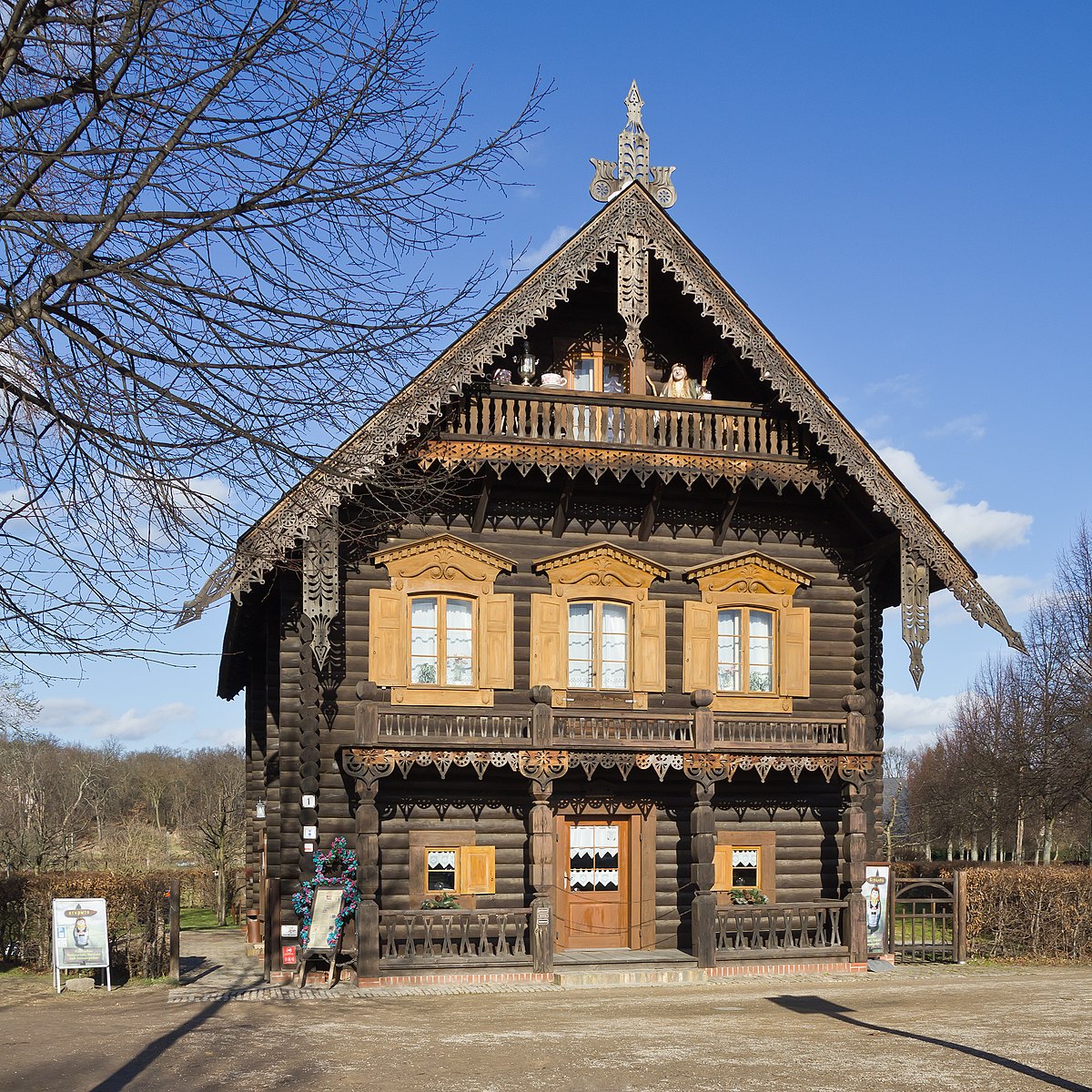
Alexandrowka
📍 Brandenburg, Germany
Located in the picturesque city of Potsdam, Germany, Alexandrowka is an intriguing architectural ensemble that reflects a unique blend of Russian and …

Alhauser Hammer
📍 North Rhine-Westphalia, Germany
Alhauser Hammer is a remarkable architectural ensemble located in Ennepetal, Germany, known for its historical significance as a water-driven hammer …

Alsdorfer Ölmühle
📍 North Rhine-Westphalia, Germany
The Alsdorfer Ölmühle, an architectural ensemble located in the heart of Alsdorf, Germany, is a remarkable example of a traditional watermill that …