Bahnbetriebswerk Bamberg
Overview
The Bahnbetriebswerk Bamberg is an architectural ensemble that stands as a significant cultural heritage monument in Bamberg, Bavaria, Germany. This site represents an important chapter in the history of transportation and engineering, reflecting the evolution of railway systems in the region. The Bahnbetriebswerk, or railway depot, showcases the ingenuity and technical prowess of its time, serving as a historical reference point for both railway enthusiasts and those interested in industrial architecture.
Located at the coordinates 49.909672777, 10.892714061, this site is easily accessible and offers visitors a glimpse into the past of Germany’s railway network. As you explore the structures and features of the ensemble, you will appreciate not only the engineering feats but also the cultural significance of the railway in connecting communities and facilitating trade. The Bahnbetriebswerk is a must-visit for anyone looking to understand the impact of rail transport on modern society.
History and Significance
The Bahnbetriebswerk Bamberg is a reflection of the historical development of railway systems in Germany. While specific dates and events may not be detailed, the establishment of such facilities was instrumental in the growth of urban areas during the industrial revolution. The railway depot served as a hub for maintenance, repair, and operational support for trains, playing a critical role in ensuring the efficiency and safety of rail transport.
The cultural importance of the Bahnbetriebswerk extends beyond its functional role; it embodies the spirit of innovation that characterized the era of industrialization. As cities grew and the demand for transportation increased, facilities like the Bahnbetriebswerk became essential to the functioning of the railway system. This architectural ensemble not only highlights the technological advances of its time but also serves as a reminder of the social changes brought about by improved connectivity.
Today, the site is recognized not just for its historical significance but also for its architectural merit. It stands as a cultural heritage monument, designated as D-4-61-000-856, underscoring its value in the context of Bavaria’s rich industrial history. Visitors can appreciate how the design and construction techniques used in the depot reflect broader trends in architectural practice during the period.
Architecture and Features
The architectural features of Bahnbetriebswerk Bamberg are indicative of its purpose as a railway depot. The ensemble comprises various structures that illustrate the practical and functional aspects of railway operations. While specific dimensions and styles may not be detailed, one can expect to see a range of industrial architectural elements that were common in railway facilities.
The main buildings typically include the locomotive shed, which housed steam and diesel engines, as well as workshops for maintenance and repairs. These structures are characterized by their robust construction, designed to withstand the demands of heavy machinery and operational tasks. The use of large, open spaces within these buildings facilitated the movement and servicing of trains, showcasing the engineering solutions of the time.
Visitors will notice the interplay of form and function in the design of the Bahnbetriebswerk. While primarily utilitarian, the architectural ensemble also reflects the aesthetic considerations of its era, with details that may appeal to those with an interest in industrial design. The layout of the site, including its tracks and access points, demonstrates the logistical planning required for efficient railway operations.
Visiting Information
Visiting the Bahnbetriebswerk Bamberg offers a unique opportunity to engage with the history of rail transport. The site is well-connected by public transport, making it accessible for both local and international visitors. For the latest information regarding hours and prices, check the official website.
When planning your visit, it is recommended to allocate sufficient time to explore the site fully. A visit can typically take a couple of hours, allowing you to appreciate the various buildings and their historical context. The best times to visit are during the milder months when outdoor exploration is more comfortable.
Expect to find informative displays and signage throughout the site that provide insights into the operational history and architectural features of the Bahnbetriebswerk. Whether you are a history buff or simply curious about the evolution of transportation, there is much to learn and appreciate here.
Nearby Attractions
While visiting the Bahnbetriebswerk Bamberg, you may want to explore other nearby attractions that enhance your experience in this culturally rich area. Here are a few suggestions:
Bamberg Cathedral: A stunning example of Romanesque architecture, this cathedral is a UNESCO World Heritage site and is known for its impressive twin towers and intricate sculptures.
Old Town Hall (Altes Rathaus): Situated on an island in the Regnitz River, this picturesque building features a striking frescoed facade and is surrounded by charming streets filled with shops and cafes.
Bamberg Historical Museum: Located in the former prince-bishops’ residence, this museum offers insights into the city’s history and showcases a variety of artifacts from different eras.
Little Venice (Klein-Venedig): A picturesque area along the river, characterized by its charming half-timbered houses and scenic views, perfect for a leisurely stroll.
Rose Garden: Situated on the grounds of the New Residence, this beautifully landscaped garden features a wide variety of roses and offers stunning views of the city.
Insider Tips
To make the most of your visit to Bahnbetriebswerk Bamberg, consider these insider tips:
Photography: The site offers numerous opportunities for photography, particularly of its architectural features. Early mornings or late afternoons provide the best natural light for capturing images.
Crowd Avoidance: If you prefer a quieter experience, try to visit during weekdays, as weekends may attract more visitors, especially during peak tourist seasons.
Practical Information
When planning your visit to Bahnbetriebswerk Bamberg, keep in mind the following practical considerations:
What to Bring: Comfortable footwear is recommended, as you will likely be walking around the site. A camera for capturing memories is also a good idea.
Seasonal Considerations: Check the weather forecast before your visit, as conditions can vary. Mild weather is ideal for exploring outdoor areas, while colder months may require warmer clothing.
Frequently Asked Questions
How long should I spend visiting?
A visit to the Bahnbetriebswerk Bamberg typically takes a couple of hours, allowing you to explore the various structures and learn about their historical significance.
Is photography allowed?
Yes, photography is generally allowed at the site, making it an excellent opportunity to capture the unique architectural features.
Are there guided tours?
Check the official website for information regarding guided tours and any scheduled events that may enhance your visit.
What’s the best time to visit?
The best times to visit are during the milder months, when outdoor exploration is more comfortable and the site is less crowded.
Is it wheelchair accessible?
For specific accessibility information, check the official website to ensure all visitors can enjoy the site.
Can I buy tickets online?
Information on ticket purchases, including online options, can be found on the official website.
Are there restrooms and cafes?
Facilities such as restrooms and cafes may be available on-site; check the official website for current details.
What should I wear?
Dress comfortably and consider the weather conditions of your visit. Comfortable footwear is advisable for walking around the site.
The Bahnbetriebswerk Bamberg stands as a profound representation of Germany’s railway heritage, offering visitors a unique glimpse into the architectural and cultural history of the region.
Location
More in Bavaria

8. November 1939 (Denkmal)
📍 Bavaria, Germany
The 8. November 1939 (Denkmal) stands as a poignant monument in Munich, Germany, marking a significant moment in the nation’s history. Dedicated to …

Abbey of St. Nikola in Passau
📍 Bavaria, Germany
The Abbey of St. Nikola in Passau stands as a significant religious and cultural landmark in this historic German city. Located at coordinates …

Abensbergerdenkmal
📍 Bavaria, Germany
The Abensbergerdenkmal, a notable monument located in Freising, Upper Bavaria, Germany, serves as an evocative reminder of the region’s historical and …
Abrechen (München)
📍 Bavaria, Germany
Abrechen in München is a bridge that plays a significant role in the connectivity of this bustling German city. Located at coordinates 48.1357, …
Abschnittsbefestigung Andechs
📍 Bavaria, Germany
The Abschnittsbefestigung Andechs, a striking castle located in the scenic region of Andechs, Germany, offers a fascinating glimpse into the …
Abschnittsbefestigung im Taitinger Holz
📍 Bavaria, Germany
The Abschnittsbefestigung im Taitinger Holz represents an intriguing chapter in Germany’s medieval architectural narrative. Located in Bavaria, this …
More Architectural Ensembles

144., 176. und 184. Gemeindeschule
📍 Berlin, Germany
The 144., 176. und 184. Gemeindeschule, an architectural ensemble located in the vibrant city of Berlin, stands as a noteworthy example of educational …

Adelheidstraße 3–7, 9–12, 12a, 14, 15, 22–31, Amelungstraße 1, Friedrich-Ebert-Platz
📍 Lower Saxony, Germany
In the heart of Quedlinburg, Germany, lies a captivating architectural ensemble that reflects the town’s historical significance and cultural …

Aegidiimarkt
📍 Lower Saxony, Germany
Aegidiimarkt is a captivating architectural ensemble located in the heart of Münster, Germany. This vibrant square not only serves as a hub for local …
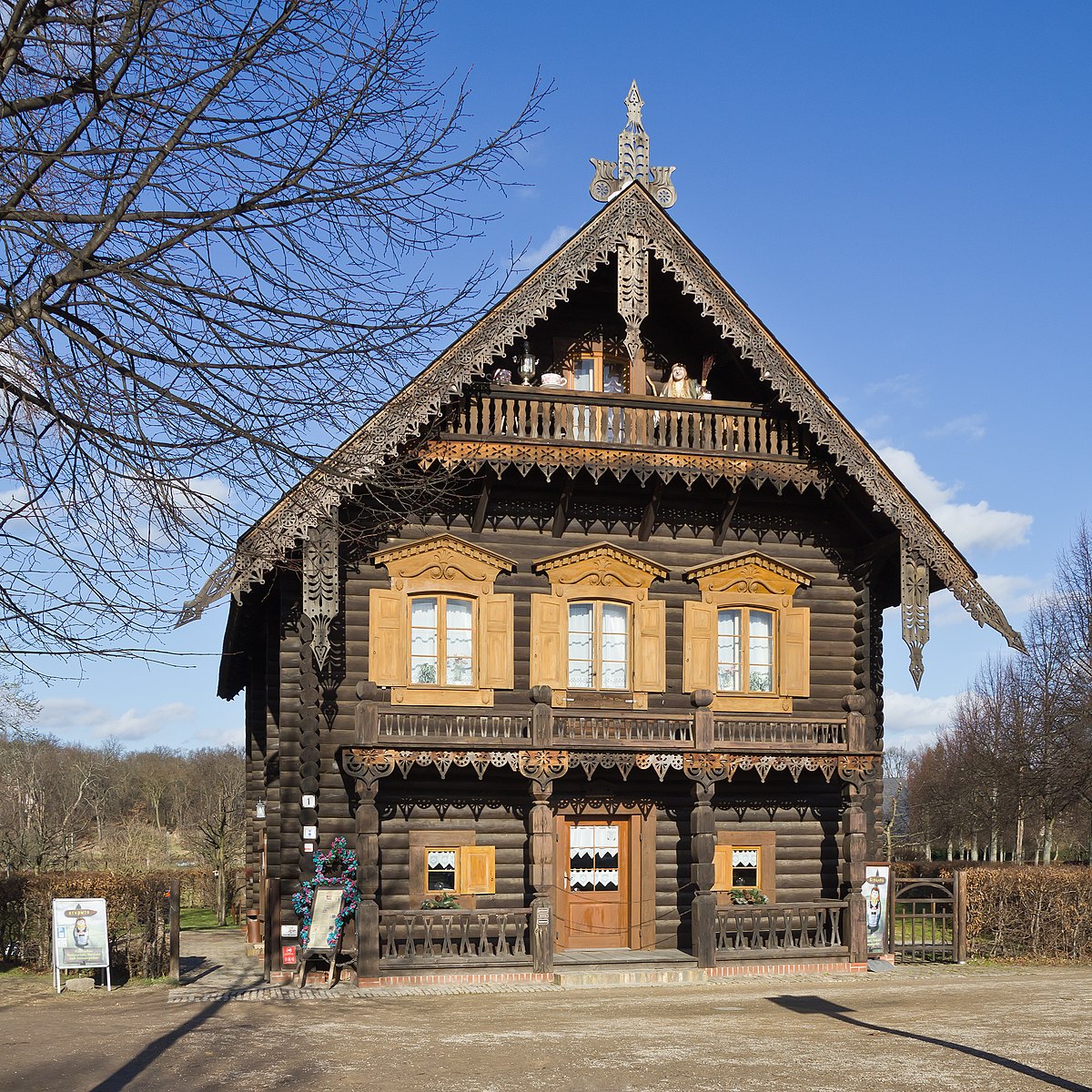
Alexandrowka
📍 Brandenburg, Germany
Located in the picturesque city of Potsdam, Germany, Alexandrowka is an intriguing architectural ensemble that reflects a unique blend of Russian and …

Alhauser Hammer
📍 North Rhine-Westphalia, Germany
Alhauser Hammer is a remarkable architectural ensemble located in Ennepetal, Germany, known for its historical significance as a water-driven hammer …

Alsdorfer Ölmühle
📍 North Rhine-Westphalia, Germany
The Alsdorfer Ölmühle, an architectural ensemble located in the heart of Alsdorf, Germany, is a remarkable example of a traditional watermill that …