
Babelsberg Park
Overview
Babelsberg Park, located in the city of Potsdam, Germany, is a remarkable blend of natural beauty and historical significance. This expansive park is part of the UNESCO World Heritage Site that encompasses the palaces and parks of Potsdam, renowned for their artistic and architectural achievements. Visitors to Babelsberg Park can expect a serene landscape punctuated by winding pathways, manicured gardens, and impressive structures that echo the splendor of the 19th century. The park serves as a vibrant green space for both locals and visitors, offering a tranquil escape from the urban bustle while allowing ample opportunity to explore its rich heritage.
Beyond its picturesque scenery, Babelsberg Park is significant for its role in the cultural development of the region. It is a testament to the vision of its creators, who sought to harmonize the landscape with the architectural elements that dot its expanse. The park’s layout encourages leisurely strolls, making it an ideal destination for families, couples, and anyone wishing to immerse themselves in the peaceful ambiance of this historical site.
With an array of features and a deep-rooted connection to the cultural identity of Potsdam, Babelsberg Park promises an enriching experience for those who wander its paths, whether for a casual visit or an in-depth exploration of its historical significance.
History and Significance
Babelsberg Park’s history is intrinsically linked to the development of the surrounding area in Potsdam. The establishment of the park can be traced back to a vision of integrating nature with the architectural ambitions of the time. Although specific dates are not available, the park is recognized as a key component of the cultural landscape shaped during the 19th century, reflecting the Romantic ideal of creating a designed landscape that emphasized natural beauty and the picturesque.
The park was part of the grand design initiated by the Prussian royal family, particularly under the influence of King Friedrich Wilhelm IV, who was known for his passion for art, culture, and nature. The creation of Babelsberg Park was motivated by a desire to provide a space that not only showcased the beauty of the surrounding environment but also served as a venue for social gatherings and cultural events. This integration of leisure and culture played a significant role in the social life of the time, making it an important site for both the aristocracy and the burgeoning middle class.
As part of the UNESCO World Heritage designation, Babelsberg Park is recognized for its cultural importance, reflecting the artistic movements that influenced its design. The layout of the park and its structures highlights the Romantic ideals that prevailed in Europe during the 19th century, emphasizing harmony between human-made and natural environments. The park not only serves as a recreational area but also as a living museum of landscape architecture, offering insights into the historical context of the era in which it was developed.
Architecture and Features
Babelsberg Park is characterized by its thoughtfully designed landscapes, interspersed with notable architectural features that enhance its charm. The park’s pathways meander through lush greenery, leading visitors to various points of interest, including ornamental gardens and unique structures that reflect the artistic sensibilities of the period.
One of the park’s most striking elements is the Babelsberg Palace, which overlooks the surrounding landscape and is an impressive example of Romantic architecture. The palace’s design incorporates elements that resonate with the natural setting, creating a harmonious balance between built and natural environments. The surrounding gardens are meticulously maintained, showcasing a variety of plant species and floral arrangements that change with the seasons.
In addition to the palace, visitors will find a range of smaller structures and features throughout the park. These include pavilions, bridges, and sculptures that contribute to the overall aesthetic and historical narrative. The careful placement of these elements within the landscape not only enhances the visual appeal but also invites exploration and contemplation.
The design of Babelsberg Park encourages visitors to engage with the environment, whether through leisurely walks, picnics, or simply enjoying the tranquility that the park offers. The combination of architectural beauty and natural landscapes creates a unique atmosphere that reflects the ideals of the Romantic movement, making Babelsberg Park a significant cultural landmark.
Visiting Information
When planning a visit to Babelsberg Park, it’s essential to consider how to get there and what to expect during your time at this historical site. The park is accessible by various modes of transport, including public transit options that connect it to central Potsdam and surrounding areas. Visitors should check the official website for current information on transport options.
Upon entering the park, guests can expect a serene environment that invites exploration. The pathways are well-maintained, and the layout facilitates easy navigation through the various gardens and architectural features. Depending on your interests, a visit can range from a leisurely stroll to a more in-depth exploration of the park’s history and significance.
While exact hours of operation and ticket prices may vary, it is advisable to check the official website for current information. The park typically offers a welcoming atmosphere year-round, though the best times to visit are during the spring and summer months when the gardens are in full bloom. A visit can last anywhere from a couple of hours to an entire day, depending on how thoroughly you wish to explore the park and its surroundings.
For those seeking a full experience, consider bringing a picnic to enjoy in one of the many tranquil spots within the park. This allows you to soak in the ambiance while taking a break from walking.
Nearby Attractions
Babelsberg Park is conveniently located near several other notable attractions in Potsdam, making it an excellent starting point for a day of exploration. Here are a few nearby places you might consider visiting:
Babelsberg Palace: Directly adjacent to the park, this stunning palace offers guided tours that delve into its architectural history and the royal family’s lifestyle.
Sanssouci Palace: A short distance away, this UNESCO World Heritage Site features beautiful gardens and is one of the most famous landmarks in Potsdam.
The New Garden: This historic garden is home to the beautiful Cecilienhof Palace, where the Potsdam Conference was held in 1945.
The Dutch Quarter: A charming area characterized by its unique Dutch-style architecture, offering quaint shops, cafes, and a glimpse into Potsdam’s multicultural past.
Filmpark Babelsberg: For those interested in cinema, this film studio and theme park provides a behind-the-scenes look at movie-making, along with entertaining shows and attractions.
Insider Tips
To make the most of your visit to Babelsberg Park, consider these insider tips:
Photography: The park features many picturesque spots, particularly around the gardens and structures. Early morning or late afternoon light can enhance your photos, so plan your visit accordingly.
Crowd Avoidance: Weekdays tend to be less crowded than weekends, making them an ideal time for a more peaceful experience. If you visit on a weekend, try to arrive early in the morning.
Practical Information
When preparing for your visit to Babelsberg Park, keep the following practical considerations in mind:
What to Bring: Comfortable walking shoes are essential, as the park’s pathways encourage exploration. Consider bringing a camera to capture the park’s beauty, along with a picnic blanket and refreshments if you wish to enjoy a meal outdoors.
Seasonal Considerations: Each season offers a different experience at the park. Spring showcases blooming flowers, summer is vibrant with greenery, autumn presents a palette of colors, and winter can transform the park into a quiet, serene landscape.
Frequently Asked Questions
How long should I spend visiting?
A visit can last from a couple of hours to a full day, depending on your interest in exploring the park and its features.
Is photography allowed?
Yes, photography is permitted throughout the park, so be sure to capture the beautiful landscapes and architectural details.
Are there guided tours?
While specific information on guided tours may vary, check the official website for options available during your visit.
What’s the best time to visit?
Spring and summer are ideal for enjoying the gardens in bloom, but each season offers its unique charm.
Is it wheelchair accessible?
Babelsberg Park is designed to be accessible, but specific areas may vary in ease of access. It’s advisable to check the official website for detailed accessibility information.
Can I buy tickets online?
Check the official website for current information regarding ticket purchasing options, as some areas may have entry fees.
Are there restrooms and cafes?
Facilities may be available within or near the park. Be sure to check the official website for the latest information.
What should I wear?
Wear comfortable clothing suited for walking, and consider layering for changing weather conditions, especially in spring and autumn.
More in Brandenburg
Agnetenkloster
📍 Brandenburg, Germany
Agnetenkloster, a former monastery located in the heart of Magdeburg, Germany, invites visitors to explore its serene ambiance and historical …

Agroneum
📍 Brandenburg, Germany
Agroneum is a museum located in the serene landscape of Alt Schwerin, Germany. This establishment serves as a vibrant hub for those interested in the …

Alexander Nevsky Memorial Church
📍 Brandenburg, Germany
The Alexander Nevsky Memorial Church in Potsdam, Germany, offers visitors a unique glimpse into the city’s cultural and religious heritage. This …
Alexandrowka
📍 Brandenburg, Germany
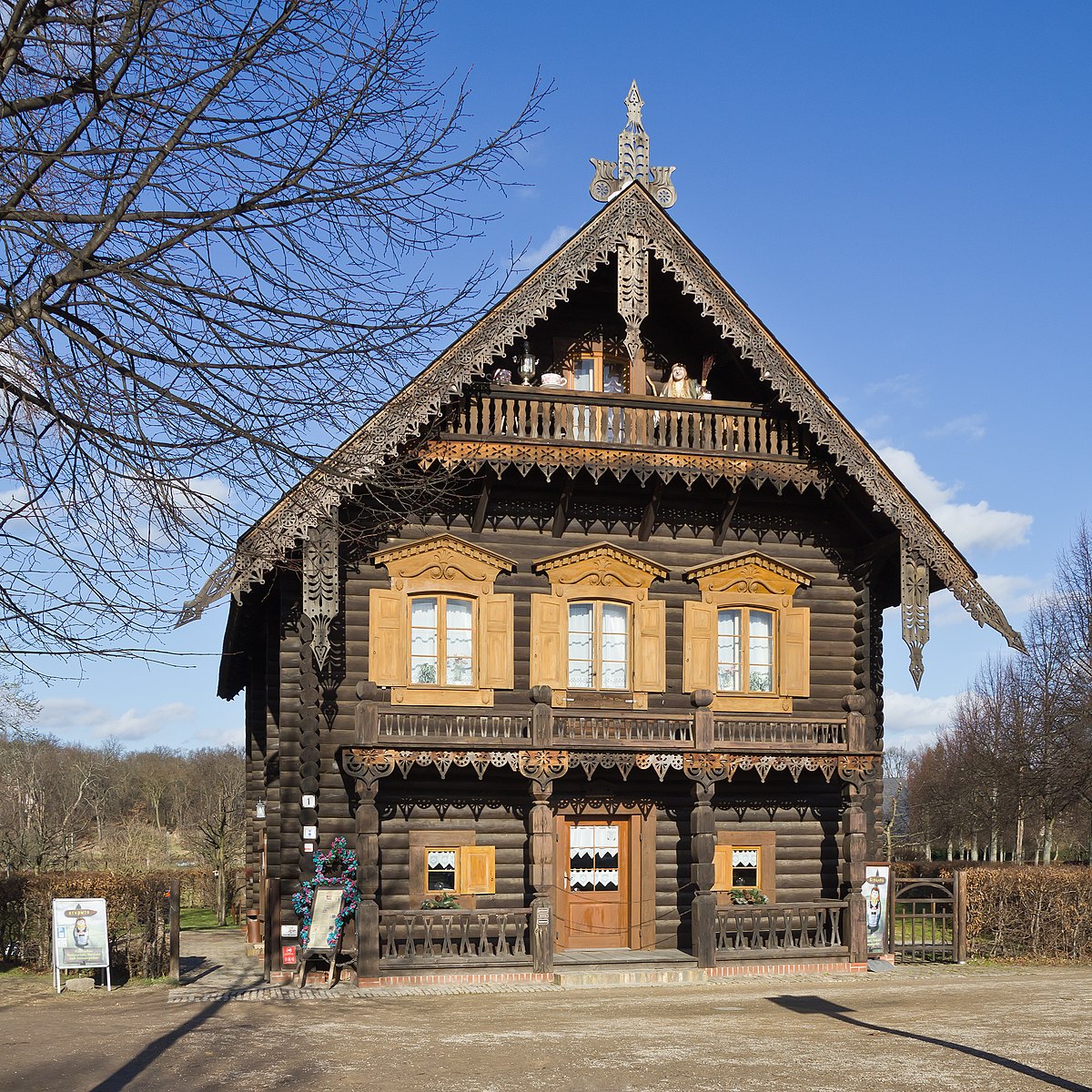
Located in the picturesque city of Potsdam, Germany, Alexandrowka is an intriguing architectural ensemble that reflects a unique blend of Russian and …

Alte Burg Penzlin
📍 Brandenburg, Germany
Alte Burg Penzlin, a captivating castle located in the quaint town of Penzlin, Germany, serves as a remarkable example of medieval architecture and …

Alte Dorfkirche Röxe
📍 Brandenburg, Germany
The Alte Dorfkirche Röxe stands as a poignant symbol of architectural and cultural history in the Stendal region of Germany. This church building, …
More Parks

Achterdiekpark
📍 Bremen, Germany
Achterdiekpark, located in the peaceful district of Oberneuland, Germany, is a sanctuary for nature lovers and a welcome retreat from urban life. This …

Aegidiischanze
📍 Lower Saxony, Germany
Aegidiischanze is a tranquil park located in the heart of Münster, Germany. This green space offers a unique blend of natural beauty and cultural …

Aerodynamic Park
📍 Berlin, Germany
Aerodynamic Park, located in Berlin, Germany, is a significant green space that serves as a serene escape amid the urban hustle. This park is not only …

Ahnepark
📍 Hesse, Germany
Ahnepark is a serene park located in Vellmar, Germany, serving as a green oasis for both locals and visitors. This expansive area offers a tranquil …
Altenberg
📍 Bavaria, Germany
Altenberg, located in the picturesque Bavarian region of Germany, offers visitors a serene escape into one of the area’s notable parks. This mountain …

Altensteiner Park
📍 Thuringia, Germany
Altensteiner Park, situated in the picturesque region of Bad Liebenwerda, Germany, serves as a tranquil retreat for nature enthusiasts and history …