
Augustusburg and Falkenlust Palaces
Overview
The Augustusburg and Falkenlust Palaces, situated in Brühl, Germany, present a striking architectural ensemble that draws visitors keen on experiencing the grandeur of 18th-century European design. This complex of multiple built objects is not just an architectural marvel but also a UNESCO World Heritage site, recognized for its cultural significance and historical importance. The palaces, surrounded by meticulously designed gardens and parklands, reflect the artistic aspirations of the period and the ambitions of their creators.
Visitors to this site will encounter a blend of opulent interiors, intricate decorations, and expansive landscapes, all of which highlight the cultural heritage of the region. The palaces serve as a testament to the Rococo style, offering a glimpse into the luxurious lifestyle of the nobility during their heyday.
History and Significance
The Augustusburg and Falkenlust Palaces are significant not only for their architectural beauty but also for their role in the cultural history of Germany. Commissioned by the Elector of Cologne, Clemens August, the palaces were designed to serve as a summer residence and a venue for court ceremonies. The complex illustrates the power and influence of the Electorate during the 18th century and showcases the transition in European architecture from Baroque to Rococo.
The palaces were constructed in a period marked by artistic and cultural flourishing, reflecting the tastes and ambitions of the time. Augustusburg Palace, with its grand façade and elaborate interior, was designed by the renowned architect Balthasar Neumann. The design incorporates elements that convey a sense of harmony and balance, characteristics emblematic of Rococo architecture.
Falkenlust Palace, located within the expansive grounds of Augustusburg, served as a hunting lodge and retreat for the Elector. Its intimate scale and exquisite decoration contrast with the more imposing Augustusburg. The palaces, along with their gardens, represent a harmonious blend of architecture and nature, symbolizing the Enlightenment values of the era.
Architecture and Features
The architectural ensemble of Augustusburg and Falkenlust Palaces showcases the Rococo style through its elaborate detailing and grand proportions. Augustusburg Palace is particularly noted for its elegant façade, which features intricate stucco work and a series of ornate windows. The palace’s interior is a showcase of opulence, with lavishly decorated rooms that include the grand staircase, adorned with sculptures and frescoes that capture the spirit of the time.
The gardens surrounding the palaces are a remarkable feature, designed to complement the architectural grandeur. These landscaped grounds include fountains, pathways, and meticulously trimmed hedges, creating a serene environment for visitors. The overall design emphasizes symmetry and order, reflecting the aesthetic principles of the Rococo era.
Falkenlust Palace, though smaller in scale, is no less impressive. Its charming architecture features a delightful blend of decorative elements and intimate spaces. Inside, visitors can admire beautiful frescoes and intricate woodwork that highlight the artistic craftsmanship of the period.
Visiting Information
Visiting Augustusburg and Falkenlust Palaces is an enriching experience that combines history, architecture, and nature. The palaces are accessible via various forms of transportation, including public transit, which can be checked for availability and schedules.
When planning your visit, it is advisable to check the official website for current information regarding hours of operation and ticket prices. It is recommended to allocate a few hours to explore both the palaces and their surrounding gardens fully.
The best times to visit are during the spring and early autumn when the gardens are in bloom and the weather is pleasant for strolling through the expansive grounds. During peak tourist seasons, early morning or late afternoon visits may help avoid larger crowds.
Nearby Attractions
While visiting the Augustusburg and Falkenlust Palaces, consider exploring these nearby attractions:
- Brühl’s Historic Town Center: A delightful area featuring charming streets and historical buildings, perfect for a leisurely stroll.
- Max Ernst Museum: Dedicated to the works of the surrealist artist Max Ernst, this museum showcases a fascinating collection and is a must-visit for art enthusiasts.
- Schlosspark Brühl: A picturesque park that invites visitors to relax and enjoy the natural beauty surrounding the palaces.
- LVR Museum of Contemporary Art: Located nearby, this museum features contemporary art exhibitions, providing a contrast to the historical context of the palaces.
Insider Tips
For those hoping to capture the beauty of Augustusburg and Falkenlust Palaces through photography, early morning or late afternoon light can create stunning visuals. Additionally, consider exploring less crowded areas of the gardens for unique perspectives.
To avoid the heaviest crowds, aim for weekdays or visit during off-peak hours. This will allow for a more tranquil experience as you explore the stunning interiors and grounds.
Practical Information
When preparing for your visit to Augustusburg and Falkenlust Palaces, it is advisable to wear comfortable shoes suitable for walking, as you will be exploring both the palaces and the expansive gardens.
Consider the seasonal weather when planning your trip; spring and summer months offer beautiful blooms in the gardens, while autumn showcases vibrant foliage. Check the official website for any seasonal events or activities that may be taking place during your visit.
Frequently Asked Questions
How long should I spend visiting?
A visit can take between two to four hours to fully appreciate both palaces and their gardens.
Is photography allowed?
Yes, photography is generally permitted in the outdoor areas; however, check for specific restrictions inside the palaces.
Are there guided tours?
Guided tours may be available, providing in-depth information about the history and architecture of the palaces. Check the official website for details.
What’s the best time to visit?
Spring and early autumn are ideal for enjoying the gardens, while weekdays tend to be less crowded.
Is it wheelchair accessible?
Some areas of the palaces and gardens may be accessible, but it is advisable to check the official website for specific accessibility information.
Can I buy tickets online?
Ticket purchasing options may vary; check the official website for the most current information regarding online ticket sales.
Are there restrooms and cafes?
Facilities should be available on-site, but it’s best to confirm on the official website prior to your visit.
What should I wear?
Comfortable and weather-appropriate clothing is recommended, especially if you plan to spend time outdoors.
Embarking on a visit to Augustusburg and Falkenlust Palaces promises a fascinating encounter with history, art, and nature, making it a worthwhile destination for travelers in Germany.
More in North Rhine-Westphalia

Aachen Cathedral
📍 North Rhine-Westphalia, Germany
Aachen Cathedral, a magnificent Roman-Catholic structure located in the historic city of Aachen, Germany, is a masterpiece of architectural design and …

Aachen Cathedral Treasury
📍 North Rhine-Westphalia, Germany
Aachen Cathedral Treasury, located in the historic city of Aachen, Germany, is a remarkable art museum that houses an impressive collection of …

Aachen Chapel of Hungary
📍 North Rhine-Westphalia, Germany
The Aachen Chapel of Hungary, a significant part of the Aachen Cathedral complex in Germany, serves as an emblem of the cultural exchange between …

Aachen-Rothe Erde station
📍 North Rhine-Westphalia, Germany
Aachen-Rothe Erde station serves as a crucial node in the intricate web of Germany’s railway network, located in the vibrant city of Aachen. This …

Aachener Tierpark Euregiozoo
📍 North Rhine-Westphalia, Germany
The Aachener Tierpark Euregiozoo, located in the heart of Aachen-Mitte, Germany, is a captivating destination for animal lovers and families alike. …

Abtei Mariendonk
📍 North Rhine-Westphalia, Germany
Abtei Mariendonk, a serene monastery located in the tranquil region of Grefrath, Germany, invites visitors to explore its spiritual and architectural …
More Architectural Ensembles

144., 176. und 184. Gemeindeschule
📍 Berlin, Germany
The 144., 176. und 184. Gemeindeschule, an architectural ensemble located in the vibrant city of Berlin, stands as a noteworthy example of educational …

Adelheidstraße 3–7, 9–12, 12a, 14, 15, 22–31, Amelungstraße 1, Friedrich-Ebert-Platz
📍 Lower Saxony, Germany
In the heart of Quedlinburg, Germany, lies a captivating architectural ensemble that reflects the town’s historical significance and cultural …

Aegidiimarkt
📍 Lower Saxony, Germany
Aegidiimarkt is a captivating architectural ensemble located in the heart of Münster, Germany. This vibrant square not only serves as a hub for local …
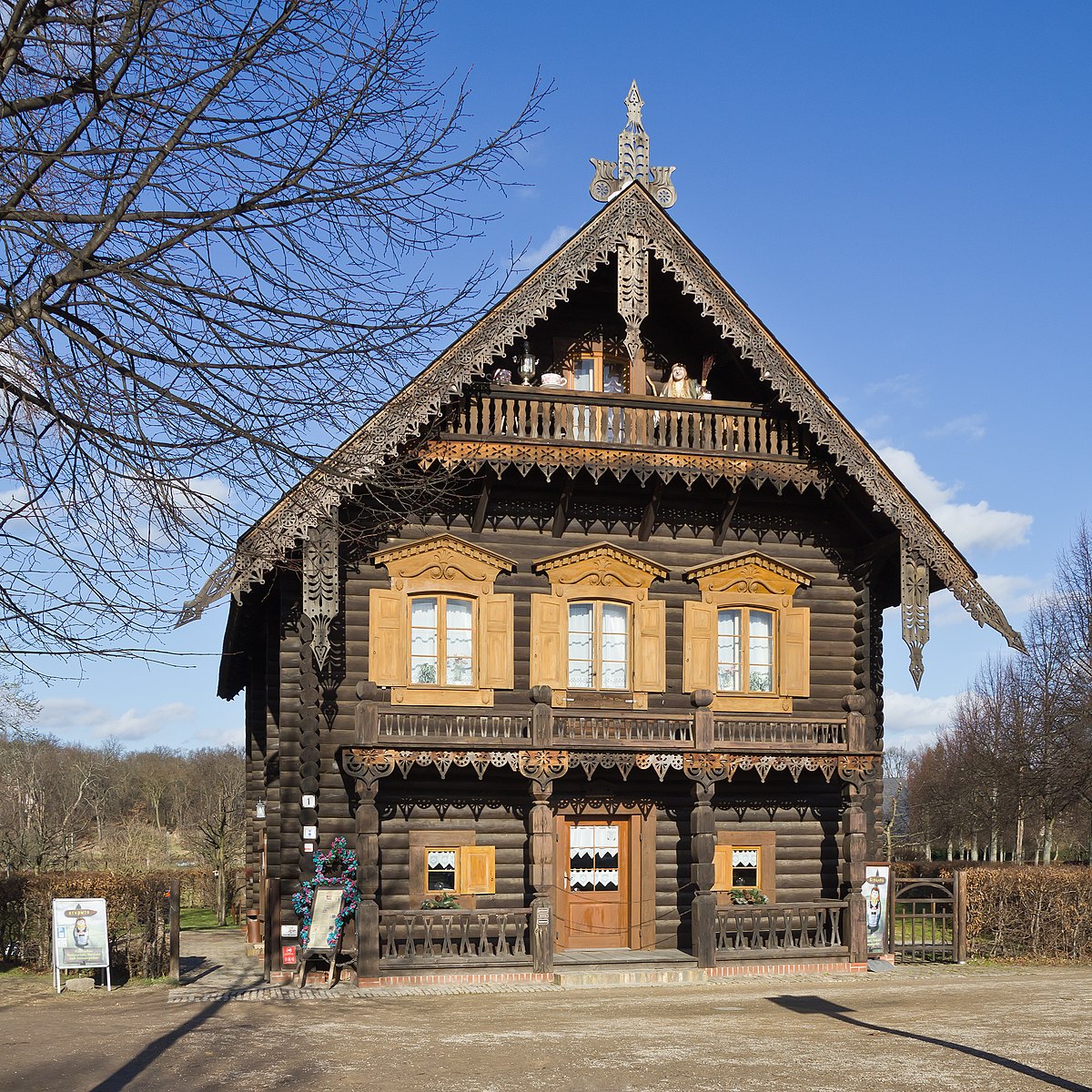
Alexandrowka
📍 Brandenburg, Germany
Located in the picturesque city of Potsdam, Germany, Alexandrowka is an intriguing architectural ensemble that reflects a unique blend of Russian and …

Alhauser Hammer
📍 North Rhine-Westphalia, Germany
Alhauser Hammer is a remarkable architectural ensemble located in Ennepetal, Germany, known for its historical significance as a water-driven hammer …

Alsdorfer Ölmühle
📍 North Rhine-Westphalia, Germany
The Alsdorfer Ölmühle, an architectural ensemble located in the heart of Alsdorf, Germany, is a remarkable example of a traditional watermill that …