
Augustiner Museum
Overview
The Augustiner Museum, located in the heart of Freiburg im Breisgau, Germany, is an esteemed art museum that showcases an impressive collection of artworks spanning several centuries. Situated in a city renowned for its university and vibrant cultural scene, the museum serves as a vital hub for art enthusiasts and historians alike. With its unique blend of history, culture, and education, the Augustiner Museum not only highlights significant artistic achievements but also offers insight into the region’s rich heritage.
Visitors can expect to explore an array of exhibitions that encompass various art forms, including paintings, sculptures, and decorative arts. The museum’s commitment to fostering an appreciation for art and its historical context is evident in its thoughtfully curated displays. As you navigate the museum, you will encounter works that reflect the evolution of artistic movements in the region and beyond, making it a worthwhile experience for anyone interested in the intersection of art and culture.
History and Significance
The Augustiner Museum has a compelling history that underscores its significance in both Freiburg and the broader German art scene. Established in a former Augustinian monastery, the museum’s origins are deeply intertwined with the city’s religious and cultural past. The monastery, which has been a part of Freiburg since its inception, has undergone various transformations throughout the centuries, ultimately giving way to the museum’s establishment.
The collection within the museum is noteworthy for its extensive range of artworks, many of which highlight the region’s artistic legacy. From medieval religious art to contemporary pieces, the museum presents a narrative of artistic evolution that invites visitors to reflect on the changing themes and techniques that have emerged over time. This broad chronological scope underscores the importance of the Augustiner Museum as a custodian of regional artistic heritage.
In addition to its permanent collection, the museum often hosts temporary exhibitions that showcase both local and international artists. These exhibitions provide an opportunity for visitors to engage with current artistic dialogues and further emphasize the museum’s role as a dynamic space for cultural exchange. This commitment to contemporary art ensures that the Augustiner Museum remains relevant in today’s ever-changing art landscape.
The museum also serves as an educational resource, offering programs and workshops aimed at fostering a deeper understanding of art history among visitors of all ages. By facilitating discussions and encouraging hands-on experiences, the Augustiner Museum plays a vital role in promoting art appreciation in the community.
Architecture and Features
The Augustiner Museum is housed in a building that reflects the historical essence of its past as an Augustinian monastery. The architecture showcases elements typical of Gothic and Renaissance styles, creating a visually striking environment that enhances the experience of viewing the artworks. Visitors can appreciate the intricate details of the façade, which is characterized by its elegant stonework and arched windows.
Inside, the museum is thoughtfully organized to guide visitors through its diverse collection. The spacious galleries are designed to accommodate various types of exhibits, allowing for both temporary and permanent displays. Natural light filters through large windows, creating an inviting atmosphere that complements the artwork on display. The layout encourages exploration, with each room revealing new artistic narratives that engage the viewer.
One of the notable features of the Augustiner Museum is its commitment to preserving and presenting works from different eras. From medieval altarpieces to modern installations, the museum provides a comprehensive overview of artistic developments. Additionally, the museum often incorporates innovative display techniques that enhance the viewer’s understanding of the context in which each piece was created.
The museum’s design not only serves to showcase art but also enhances the visitor’s experience through its architectural integrity. The combination of historical significance and artistic presentation creates a unique environment that invites exploration and reflection.
Visiting Information
Visiting the Augustiner Museum is an enriching experience that allows guests to immerse themselves in the world of art. To reach the museum, travelers can utilize public transport options available in Freiburg, which are conveniently located for easy access. The museum’s central location makes it an ideal stop for those exploring the city.
Check the official website for current information regarding opening hours and admission prices. It is advisable to allocate a few hours to fully appreciate the collections and exhibitions. The museum often features guided tours and educational programs, which can enhance your understanding of the artworks and their historical context.
For those planning a visit, certain times of the year may offer a more tranquil experience, particularly outside peak tourist seasons. Early weekdays might see fewer crowds, allowing for a more personal exploration of the art. Additionally, consider visiting during special exhibition openings or cultural events, which might provide unique insights and experiences.
Nearby Attractions
Freiburg im Breisgau is a city rich in cultural and historical attractions. While visiting the Augustiner Museum, take the opportunity to explore several nearby sites:
Freiburg Minster: This iconic Gothic cathedral is a short walk from the museum and features stunning architecture and beautiful stained glass windows. Climbing its tower offers a panoramic view of the city.
Schwartzwald: Just a short distance from the city center, this expansive forest offers numerous trails for hiking and enjoying the natural beauty of the region. It’s an excellent escape for those looking to explore the outdoors.
Augustinerplatz: The square adjacent to the museum is a vibrant gathering place with cafes and shops. It’s a great spot to relax after visiting the museum, soaking in the local atmosphere.
Universitätsbibliothek Freiburg: This historic university library is known for its impressive collection of books and manuscripts, providing further insight into the academic legacy of Freiburg.
Vogtsbauernhof Open-Air Museum: A bit further afield, this museum showcases traditional Black Forest farmhouses and offers a glimpse into rural life in the region.
Insider Tips
To make the most of your visit to the Augustiner Museum, consider the following insider tips:
Photography: Always check the museum’s policy on photography. While many art museums allow photography for personal use, some may restrict it to protect the artworks.
Crowd Avoidance: Visiting during the week, particularly in the morning, can help you avoid larger crowds. This allows for a more intimate experience with the art and exhibits.
Engage with Staff: Don’t hesitate to ask museum staff about highlights or recommendations within the collection. Their insights can enhance your understanding and appreciation of the artworks.
Practical Information
When planning your visit to the Augustiner Museum, keep a few practical considerations in mind:
What to Bring: Comfortable shoes are recommended, as you will likely spend several hours walking through the galleries. A small bag for personal items is also advisable.
Seasonal Considerations: Freiburg experiences a temperate climate, so check the weather forecast before your visit. If visiting during colder months, dress in layers for comfort.
Accessibility: The museum aims to be accessible to all visitors. If you have specific needs, check the official website for details on accessibility options.
Frequently Asked Questions
How long should I spend visiting?
A visit to the Augustiner Museum typically takes around 2 to 3 hours, depending on your interest in the exhibitions and any guided tours you may choose to take.
Is photography allowed?
Photography policies can vary, so it’s best to check with the museum upon arrival for specific guidelines regarding photography within the galleries.
Are there guided tours?
Yes, the Augustiner Museum often offers guided tours, which can provide valuable insights into the artworks and their historical contexts. Check the official website for scheduling and availability.
What’s the best time to visit?
Visiting during the week, particularly in the morning, can help you avoid larger crowds, allowing for a more relaxed experience in the museum.
Is it wheelchair accessible?
The Augustiner Museum strives to be accessible to all visitors. Check the official website for specific information regarding wheelchair access and available facilities.
Can I buy tickets online?
Check the official website for details on ticket purchasing options, including online sales and any discounts available for students or groups.
Are there restrooms and cafes?
The museum typically provides restroom facilities for visitors. For dining options, consider exploring nearby cafes and restaurants in the area.
What should I wear?
Dress comfortably for your visit, as you may be walking and standing for extended periods. It’s advisable to check the weather and dress accordingly if you plan to explore the surrounding area.
More in Baden-Württemberg

Aachtobel
📍 Baden-Württemberg, Germany
Aachtobel, located in the picturesque region of Baden-Württemberg, Germany, serves as a vital natural reserve, offering a serene escape into the …

Aalen Central station
📍 Baden-Württemberg, Germany
Aalen Central Station serves as a vital railway hub in southern Germany’s Baden-Württemberg region, connecting travelers to local and regional …

Aalkistensee
📍 Baden-Württemberg, Germany
Aalkistensee, located in the serene region of Maulbronn in Baden-Württemberg, Germany, is a tranquil lake that invites visitors into its peaceful …

Abbey and Altenmünster of Lorsch
📍 Baden-Württemberg, Germany
The Abbey and Altenmünster of Lorsch is a UNESCO World Heritage site located in the charming town of Lorsch, Germany. This significant cultural …

Abbey of Reichenau
📍 Baden-Württemberg, Germany
The Abbey of Reichenau, a significant monastery located in the serene Reichenau region of Germany, serves as a remarkable window into the religious …

Abbey of Saint Peter in the Black Forest
📍 Baden-Württemberg, Germany
The Abbey of Saint Peter in the Black Forest is a remarkable testament to monastic tradition, offering visitors a direct encounter with the serene …
More Art Museums

Aachen Cathedral Treasury
📍 North Rhine-Westphalia, Germany
Aachen Cathedral Treasury, located in the historic city of Aachen, Germany, is a remarkable art museum that houses an impressive collection of …

Abteiberg Museum
📍 North Rhine-Westphalia, Germany
In the heart of Mönchengladbach, Germany, the Abteiberg Museum stands out as a prominent destination for art enthusiasts and cultural explorers alike. …

Akademisches Kunstmuseum
📍 North Rhine-Westphalia, Germany
In the heart of Bonn, Germany, lies the Akademisches Kunstmuseum, an art museum that invites visitors to explore a diverse collection of artworks …

Albertinum
📍 Saxony, Germany
Albertinum is a prominent art museum located in the heart of Dresden, Germany, serving as a significant cultural institution in the region. …

Albrecht Dürer's House
📍 Bavaria, Germany
Albrecht Dürer’s House stands as a significant cultural landmark in Nuremberg, Germany, celebrating the life and work of one of the Renaissance’s most …
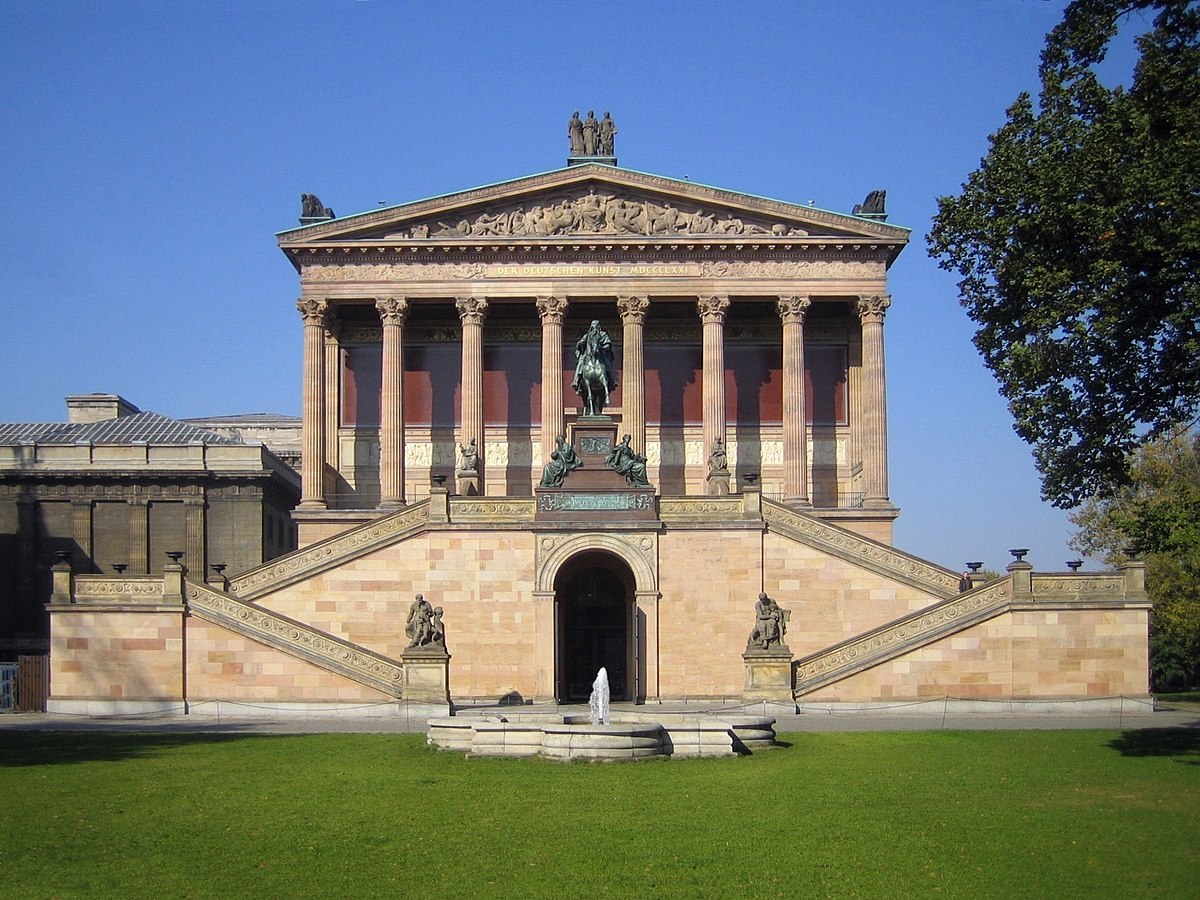
Alte Nationalgalerie
📍 Berlin, Germany
The Alte Nationalgalerie, an esteemed art museum located in Berlin’s Bezirk Mitte, is a cornerstone of cultural appreciation in Germany. This museum …