
Augusteum
Overview
Located in the heart of Oldenburg, Germany, the Augusteum stands as a significant institution dedicated to the preservation and exhibition of art. Founded in 1876 by Peter II, Grand Duke of Oldenburg, this art museum is named in honor of his father, an avid art collector. It serves not only as a repository of artistic heritage but also as a cultural hub that invites visitors to engage with a diverse array of artworks. The Augusteum is particularly renowned for its extensive collections and innovative exhibitions, making it a noteworthy destination for art enthusiasts and casual visitors alike.
Oldenburg, a city with a rich history and vibrant cultural scene, provides a fitting backdrop for the Augusteum. The museum’s commitment to showcasing art reflects the city’s broader cultural landscape, which includes historical architecture, parks, and various museums. Visitors to the Augusteum can expect an enriching experience that offers insights into both historical and contemporary art, making it a must-visit location in the region.
History and Significance
The Augusteum was established in 1876, a period marked by a burgeoning interest in art and culture in Germany. Grand Duke Peter II recognized the need for a dedicated space to house and display the extensive collection amassed by his father. This vision led to the creation of the Augusteum, which not only served as an art museum but also as a cultural institution aimed at fostering appreciation for the arts among the public.
Over the years, the Augusteum has played a vital role in the cultural life of Oldenburg and beyond. It has hosted numerous exhibitions that highlight both local and international artists, contributing to the discourse on contemporary and historical art. The museum has also been involved in educational initiatives, offering programs that engage schools and communities, thereby extending its influence beyond the confines of its walls.
The significance of the Augusteum extends beyond its collections; it represents a commitment to cultural preservation and education. The museum has adapted to changing artistic trends and visitor expectations, ensuring that it remains relevant in an ever-evolving cultural landscape. This adaptability is a testament to its enduring legacy and importance within the broader context of German art institutions.
Architecture and Features
The architecture of the Augusteum reflects a blend of historical and contemporary design elements, creating an inviting atmosphere for art appreciation. While the specific architectural details may not be documented here, the museum is known for its thoughtfully designed exhibition spaces that facilitate the display of a wide range of artworks.
Inside, visitors will find galleries that showcase both permanent and temporary exhibitions. The layout is designed to guide visitors through the collections in a manner that encourages exploration and engagement. Natural lighting is often utilized to enhance the viewing experience, creating a welcoming environment for both art lovers and newcomers.
Notable features of the Augusteum include its carefully curated exhibitions that often highlight significant artistic movements or themes. The museum’s dedication to showcasing both historical and contemporary works ensures a diverse experience for visitors. The thoughtful arrangement of artworks encourages dialogue among pieces, allowing guests to gain insights into the connections between different artists and styles.
Visiting Information
Visiting the Augusteum promises an engaging experience for art enthusiasts and casual visitors alike. To reach the museum, various transport options are available, including public transit and local parking facilities. Visitors are encouraged to check the official website for current information regarding hours of operation and ticket prices.
When planning a visit, it is advisable to allocate sufficient time to explore the museum’s collections and exhibitions fully. A visit can typically last anywhere from one to three hours, depending on individual interest levels. The best times to visit may vary, but weekdays tend to be less crowded, allowing for a more intimate experience with the artworks.
Inside the museum, expect a well-organized layout with clear signage and staff available to assist with any inquiries. The Augusteum also hosts special events and exhibitions, so checking the official website for current offerings is recommended to make the most of your visit.
Nearby Attractions
While in Oldenburg, visitors to the Augusteum can explore several nearby attractions that complement their museum experience. Consider adding the following sites to your itinerary:
Oldenburg Castle - A historic landmark that offers insights into the region’s history, showcasing impressive architecture and beautiful gardens.
State Museum of Art and Cultural History - Just a short distance away, this museum features a diverse collection that spans various periods and artistic movements.
Botanical Garden Oldenburg - A serene escape showcasing a variety of plant species, perfect for a leisurely stroll after visiting the Augusteum.
Lamberti Church - An architectural gem and a significant religious site in Oldenburg, known for its stunning tower and rich history.
Oldenburg’s Central Park (Stadtgarten) - A lovely green space ideal for relaxation and reflection, providing a peaceful contrast to the busy city.
Insider Tips
To enhance your visit to the Augusteum, consider the following insider tips:
Photography: While photography may be allowed in certain areas, it’s best to check for restrictions, especially in exhibition spaces. Be respectful of the artworks and other visitors when capturing your moments.
Crowd Avoidance: If you prefer a quieter experience, visiting during weekday mornings or late afternoons can help you avoid larger crowds. Special exhibitions may draw more visitors, so plan accordingly.
Practical Information
When preparing for your visit to the Augusteum, here are some practical considerations:
What to Bring: Comfortable walking shoes are recommended, as you may spend significant time exploring the museum. A light jacket or sweater is advisable, as indoor temperatures can vary.
Seasonal Considerations: Be mindful of the weather, particularly if you plan to explore nearby attractions. Checking the forecast before your visit can help you dress appropriately.
Frequently Asked Questions
How long should I spend visiting?
Depending on your interest level, a visit can last from one to three hours. This time allows for thorough exploration of the exhibitions.
Is photography allowed?
Photography policies may vary by exhibition. It’s advisable to check signage or inquire with staff regarding specific restrictions.
Are there guided tours?
The Augusteum may offer guided tours. Check the official website for details on availability and scheduling.
What’s the best time to visit?
Weekdays, especially early in the morning or late afternoon, tend to be less crowded, providing a more relaxed experience.
Is it wheelchair accessible?
The Augusteum strives to be accessible to all visitors. For specific accessibility features, check the official website or contact the museum.
Can I buy tickets online?
Ticket purchasing options may be available online. Visit the official website for the latest information on ticketing.
Are there restrooms and cafes?
Facilities such as restrooms are typically available on-site. Check the official website for information on any café or dining options.
What should I wear?
Dress comfortably, considering the weather and your planned activities. Comfortable shoes are recommended for walking and exploring the museum.
Visiting the Augusteum in Oldenburg promises an enriching experience, blending cultural heritage with artistic expression, making it a highlight of any journey through this captivating region of Germany.
More in Lower Saxony

2000 Jahre Christentum
📍 Lower Saxony, Germany
The “2000 Jahre Christentum,” a prominent statue located in Brunswick, Germany, serves as a significant cultural landmark that reflects the rich …
A. Heucke
📍 Lower Saxony, Germany
A. Heucke, located in the historic town of Gatersleben in Germany’s Seeland region, represents a significant chapter in the story of industrial …

Aalto Theatre
📍 Lower Saxony, Germany
The Aalto Theatre in Essen, Germany, is a prominent cultural landmark that attracts both local and international visitors. Renowned for its …

Aasee
📍 Lower Saxony, Germany
Aasee is a picturesque lake located in the town of Ibbenbüren, Germany, serving as a popular destination for both locals and visitors alike. This …
Abgunst Mine
📍 Lower Saxony, Germany
Abgunst Mine, located in the industrial heart of Essen, Germany, is a significant heritage site that represents the country’s rich mining history. As …

Accumer Mühle
📍 Lower Saxony, Germany
Accumer Mühle is a captivating windmill located in Schortens, Germany, that showcases the remarkable engineering of traditional European mills. This …
More Art Museums

Aachen Cathedral Treasury
📍 North Rhine-Westphalia, Germany
Aachen Cathedral Treasury, located in the historic city of Aachen, Germany, is a remarkable art museum that houses an impressive collection of …

Abteiberg Museum
📍 North Rhine-Westphalia, Germany
In the heart of Mönchengladbach, Germany, the Abteiberg Museum stands out as a prominent destination for art enthusiasts and cultural explorers alike. …

Akademisches Kunstmuseum
📍 North Rhine-Westphalia, Germany
In the heart of Bonn, Germany, lies the Akademisches Kunstmuseum, an art museum that invites visitors to explore a diverse collection of artworks …

Albertinum
📍 Saxony, Germany
Albertinum is a prominent art museum located in the heart of Dresden, Germany, serving as a significant cultural institution in the region. …

Albrecht Dürer's House
📍 Bavaria, Germany
Albrecht Dürer’s House stands as a significant cultural landmark in Nuremberg, Germany, celebrating the life and work of one of the Renaissance’s most …
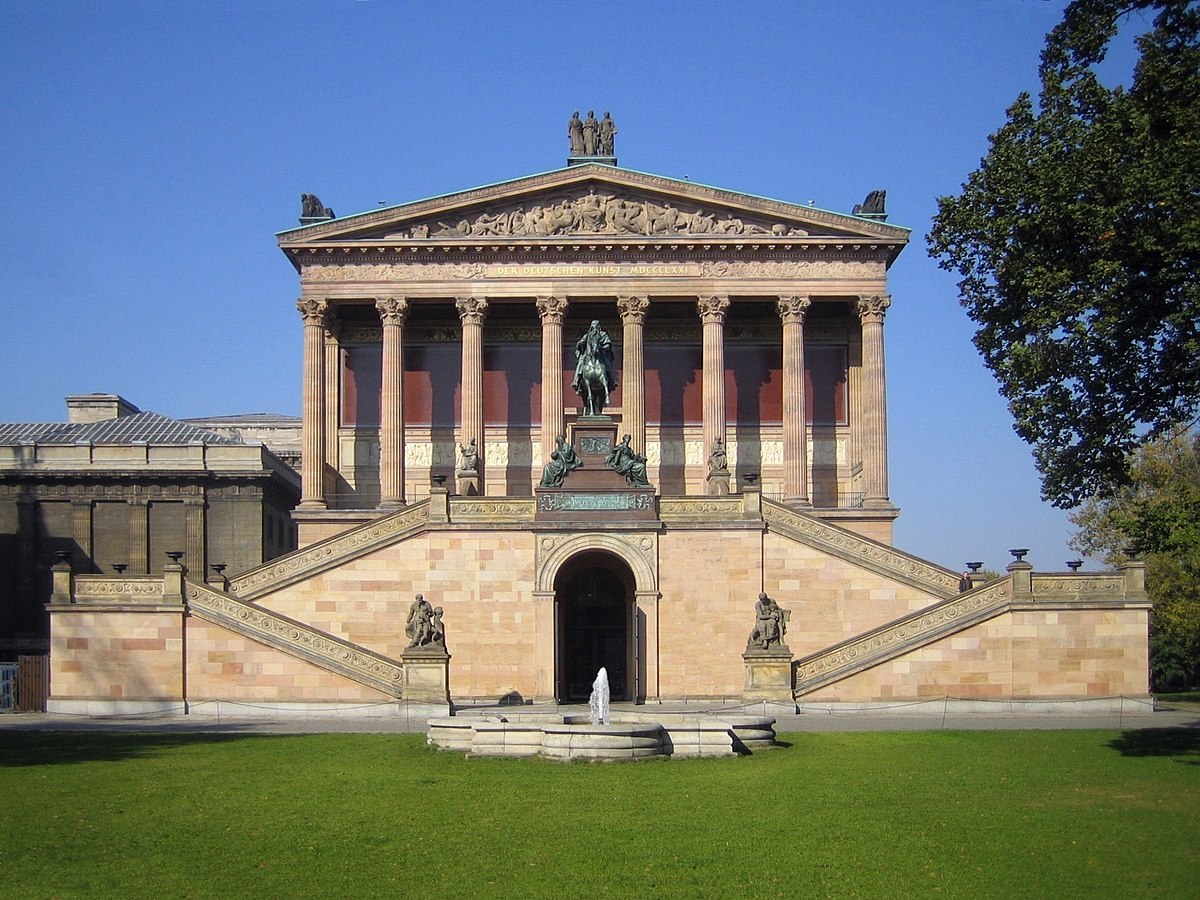
Alte Nationalgalerie
📍 Berlin, Germany
The Alte Nationalgalerie, an esteemed art museum located in Berlin’s Bezirk Mitte, is a cornerstone of cultural appreciation in Germany. This museum …