
August Kestner Museum
Overview
In the heart of Hanover, Germany, the August Kestner Museum stands as a significant cultural repository, showcasing a diverse collection of art and archaeological artifacts. This museum is not only a highlight of the Mitte district but also an essential stop for anyone interested in the intersection of history and artistic expression. The August Kestner Museum offers a deep dive into the artistic legacy of various cultures, providing visitors with the opportunity to explore works that span different eras and geographic regions. The museum’s commitment to preserving and presenting art makes it a vital part of Hanover’s rich cultural landscape.
The museum’s collection is particularly known for its extensive range of items, which include both fine art and archaeological pieces. This combination allows visitors to appreciate the aesthetic qualities of art alongside the historical narratives of the artifacts. With its inviting atmosphere and thoughtful exhibitions, the August Kestner Museum promises an enriching experience that appeals to art enthusiasts, history buffs, and curious travelers alike.
History and Significance
The August Kestner Museum has its roots in the vision of August Kestner, a prominent figure whose contributions to the arts and archaeology have left a lasting impact on Hanover. Established to house his extensive collection, the museum serves as a testament to Kestner’s dedication to cultural preservation and education. The museum’s establishment reflects a broader trend in Germany and Europe, where institutions dedicated to the arts began to flourish during the 19th and 20th centuries.
Throughout its history, the August Kestner Museum has evolved to accommodate changing artistic trends and the growing interest in cultural artifacts. Its collection includes works from various periods, allowing visitors to engage with art from antiquity to modern times. This diversity not only enhances the museum’s educational value but also underscores the interconnectedness of different artistic movements and cultural expressions.
In addition to its impressive collection, the museum plays a vital role in the local community by hosting temporary exhibitions, educational programs, and cultural events. These initiatives foster a greater appreciation for the arts and encourage dialogue about the significance of cultural heritage in contemporary society. By bridging the past with the present, the August Kestner Museum stands as an important cultural institution in Hanover, contributing to the city’s reputation as a center for art and history.
Architecture and Features
The architectural design of the August Kestner Museum reflects the aesthetic sensibilities of its time while providing a functional space for displaying a diverse array of artworks and artifacts. The exterior is characterized by its classical elements, which lend a sense of grandeur and sophistication to the building. Visitors are greeted by an inviting entrance that sets the tone for the artistic journey within.
Inside, the museum is thoughtfully organized, with spacious galleries that allow for an immersive viewing experience. The layout is designed to guide visitors through the collection, encouraging them to appreciate the artworks in a conducive environment. Natural light filters through strategically placed windows, enhancing the visibility of the pieces on display and creating a warm ambiance.
Notable features of the museum include its carefully curated exhibitions, which rotate regularly to showcase different aspects of the collection. This ensures that repeat visitors can always find something new to discover. Additionally, the museum often incorporates modern technology into its displays, offering interactive elements that engage visitors and enhance their understanding of the artworks.
The August Kestner Museum is not just a place for viewing art; it is a space for contemplation and learning. The thoughtful design and layout reflect a commitment to providing an enriching experience, making it a cherished destination for art lovers and history enthusiasts alike.
Visiting Information
Visiting the August Kestner Museum is a straightforward experience, with various transport options available for easy access. Located in the Mitte district of Hanover, the museum is well-connected by public transportation, making it convenient for both locals and tourists to reach. Visitors can check the official website for updated information on hours and ticket prices, as these details may vary.
Typically, it is advisable to allocate a few hours for your visit to fully immerse yourself in the exhibitions. The museum’s engaging displays and informative descriptions encourage exploration, allowing you to delve into the stories behind the art and artifacts.
The best times to visit are during weekdays when the museum is less crowded, providing a more intimate experience with the collection. However, the museum also hosts special events and exhibitions, which can draw larger crowds, so planning ahead is recommended for those wishing to attend these occasions.
The atmosphere of the museum is designed to be welcoming and educational, making it suitable for visitors of all ages. Whether you are an art aficionado or someone simply looking to learn more about cultural heritage, you will find something of interest during your visit.
Nearby Attractions
After exploring the August Kestner Museum, visitors can enjoy several nearby attractions that further enrich the cultural experience in Hanover:
Lower Saxony State Museum: Located just a short distance away, this museum offers a diverse collection that spans natural history, art, and cultural artifacts, making it a complementary visit to the Kestner Museum.
Hannover Zoo: A popular destination for families, the zoo features a variety of animal exhibits and is renowned for its immersive habitats. It’s a perfect spot to unwind after a day of cultural exploration.
Niki de Saint Phalle’s Garden: This whimsical garden is filled with colorful sculptures and installations, providing a vibrant contrast to the more traditional museum experience. It’s an ideal location for leisurely walks.
Market Church (Marktkirche): A short stroll from the museum, this historic church is known for its stunning architecture and rich history. It often hosts concerts and events, adding to its appeal as a cultural site.
Maschsee Lake: For those looking to relax outdoors, Maschsee offers picturesque views and a range of recreational activities. It’s an excellent place to enjoy a peaceful break amid nature.
Insider Tips
To make the most of your visit to the August Kestner Museum, consider these insider tips:
Photography: While photography policies may vary, it’s best to check if photography is permitted in the exhibition spaces before taking pictures. This ensures you respect the museum’s guidelines while capturing memories.
Crowd Avoidance: Visiting during weekdays, particularly in the morning, can help you avoid larger crowds. This allows for a more personal experience with the art and a better opportunity to appreciate the details.
Guided Tours: If you are interested in a deeper understanding of the collection, inquire about guided tours. These may provide additional context and insights that enhance your experience.
Practical Information
When planning your visit to the August Kestner Museum, keep the following practical information in mind:
What to Bring: It’s advisable to bring a small bag for personal items. Comfortable shoes are recommended, as you’ll be walking through the galleries.
Seasonal Considerations: Depending on the season, dress appropriately for the weather, especially if you plan to explore nearby attractions after your museum visit.
Amenities: Check the official website for information on available amenities, such as restrooms and cafes, to ensure a comfortable visit.
Frequently Asked Questions
How long should I spend visiting?
It is recommended to allocate at least two to three hours to fully appreciate the exhibits at the August Kestner Museum.
Is photography allowed?
Photography policies may vary, so be sure to check the guidelines upon your arrival.
Are there guided tours?
The museum may offer guided tours, providing an opportunity for a more in-depth understanding of the collection. Check the official website for details.
What’s the best time to visit?
Weekdays, particularly in the morning, tend to be less crowded, allowing for a more intimate experience.
Is it wheelchair accessible?
The museum is designed to accommodate visitors with mobility challenges, but it’s always a good idea to confirm accessibility details ahead of your visit.
Can I buy tickets online?
Check the official website for current information on ticket purchasing options.
Are there restrooms and cafes?
Confirm the availability of restrooms and cafes on the official website to plan your visit accordingly.
What should I wear?
Dress comfortably and appropriately for the season, especially if you plan to explore attractions nearby after your museum visit.
The August Kestner Museum is a destination where art and history converge, inviting visitors to engage with the past while appreciating the beauty of artistic expression. Whether you’re a local or a traveler, this museum is a significant cultural landmark that is sure to enrich your understanding of the world of art and archaeology.
More in Lower Saxony

2000 Jahre Christentum
📍 Lower Saxony, Germany
The “2000 Jahre Christentum,” a prominent statue located in Brunswick, Germany, serves as a significant cultural landmark that reflects the rich …
A. Heucke
📍 Lower Saxony, Germany
A. Heucke, located in the historic town of Gatersleben in Germany’s Seeland region, represents a significant chapter in the story of industrial …

Aalto Theatre
📍 Lower Saxony, Germany
The Aalto Theatre in Essen, Germany, is a prominent cultural landmark that attracts both local and international visitors. Renowned for its …

Aasee
📍 Lower Saxony, Germany
Aasee is a picturesque lake located in the town of Ibbenbüren, Germany, serving as a popular destination for both locals and visitors alike. This …
Abgunst Mine
📍 Lower Saxony, Germany
Abgunst Mine, located in the industrial heart of Essen, Germany, is a significant heritage site that represents the country’s rich mining history. As …

Accumer Mühle
📍 Lower Saxony, Germany
Accumer Mühle is a captivating windmill located in Schortens, Germany, that showcases the remarkable engineering of traditional European mills. This …
More Art Museums

Aachen Cathedral Treasury
📍 North Rhine-Westphalia, Germany
Aachen Cathedral Treasury, located in the historic city of Aachen, Germany, is a remarkable art museum that houses an impressive collection of …

Abteiberg Museum
📍 North Rhine-Westphalia, Germany
In the heart of Mönchengladbach, Germany, the Abteiberg Museum stands out as a prominent destination for art enthusiasts and cultural explorers alike. …

Akademisches Kunstmuseum
📍 North Rhine-Westphalia, Germany
In the heart of Bonn, Germany, lies the Akademisches Kunstmuseum, an art museum that invites visitors to explore a diverse collection of artworks …

Albertinum
📍 Saxony, Germany
Albertinum is a prominent art museum located in the heart of Dresden, Germany, serving as a significant cultural institution in the region. …

Albrecht Dürer's House
📍 Bavaria, Germany
Albrecht Dürer’s House stands as a significant cultural landmark in Nuremberg, Germany, celebrating the life and work of one of the Renaissance’s most …
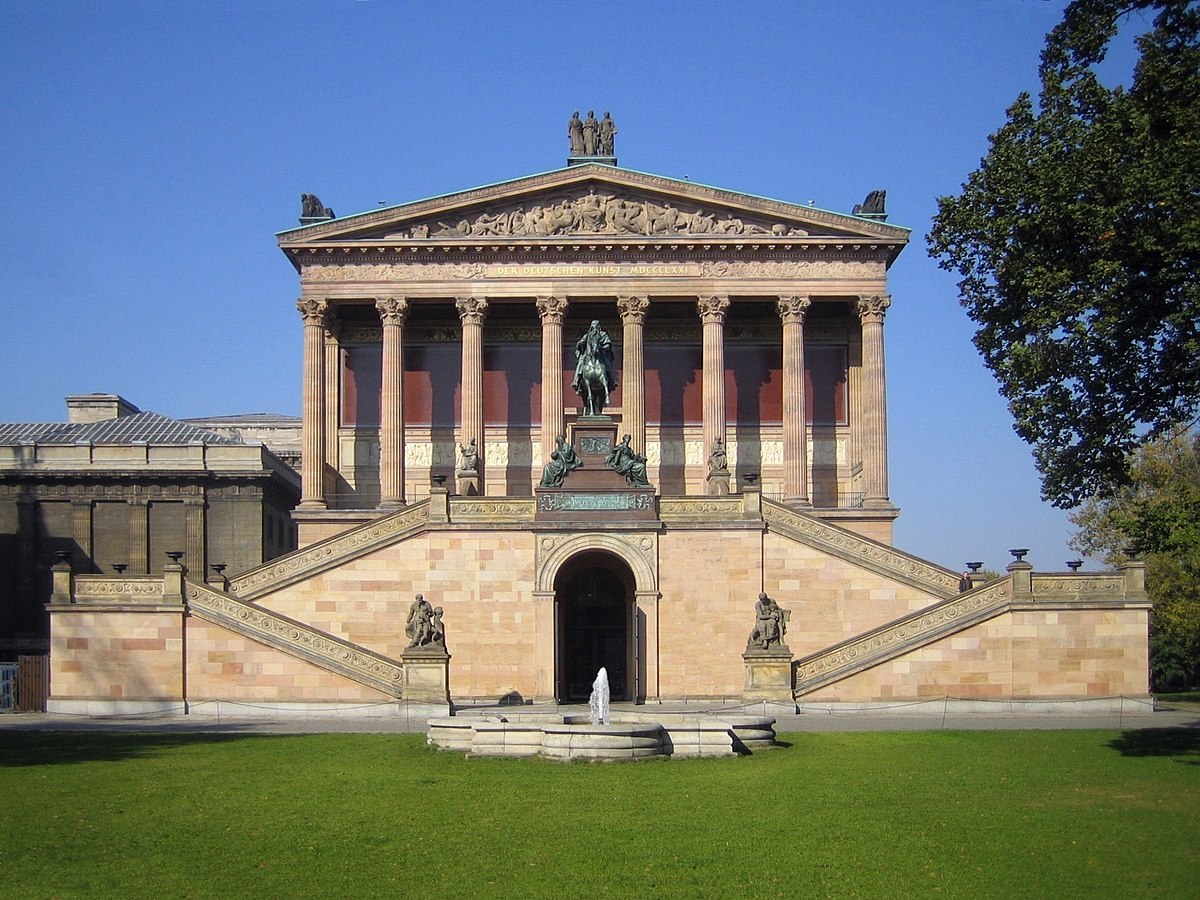
Alte Nationalgalerie
📍 Berlin, Germany
The Alte Nationalgalerie, an esteemed art museum located in Berlin’s Bezirk Mitte, is a cornerstone of cultural appreciation in Germany. This museum …