
Arithmeum
Overview
Located in the heart of Bonn, Germany, Arithmeum is a unique science museum dedicated to the history and development of mathematics and computing. This fascinating institution combines education with interactive exhibits, making it an enriching destination for visitors of all ages. The museum not only showcases the evolution of mathematical concepts but also features a stunning collection of calculating machines, including early computers, making it a significant site for those interested in the intersection of science, technology, and history.
Bonn, a city with a rich cultural heritage, is also known as the birthplace of Ludwig van Beethoven and has a variety of historical sites to explore. The Arithmeum stands out as a place where the abstract world of numbers is brought to life through hands-on exhibits and engaging displays. Whether you are a math enthusiast, a curious traveler, or a family looking for an educational outing, this museum promises a stimulating experience that delves into the wonders of mathematics.
History and Significance
The origins of the Arithmeum reflect a growing appreciation for the importance of mathematics in society. As a science museum, it plays a critical role in promoting understanding and interest in mathematical concepts, which are foundational to numerous disciplines, including science, engineering, finance, and technology. The museum’s mission is to highlight the historical developments of these concepts and the tools that have been used to represent and manipulate numbers throughout time.
The collection at Arithmeum spans centuries, showcasing a variety of calculating devices that illustrate the evolution of mathematical thought. From ancient tools to modern computing, each exhibit tells a story of human ingenuity and the quest for knowledge. This makes the museum not only a repository of artifacts but also a place where visitors can explore the impact of mathematics on everyday life and various fields of study.
The Arithmeum also serves as a cultural hub, hosting workshops, lectures, and special events that encourage engagement with mathematics beyond the classroom. Its educational outreach is significant, as it aims to inspire future generations to appreciate and understand the role of mathematics in a rapidly changing world. By fostering a deeper comprehension of mathematical principles and their practical applications, the museum contributes to a broader cultural conversation about the importance of science and technology.
Architecture and Features
The architectural design of the Arithmeum reflects its commitment to modernity and functionality, creating a welcoming environment for learning and exploration. The building itself is characterized by clean lines and open spaces, allowing for a seamless flow between exhibitions. The interior layout is thoughtfully arranged to guide visitors through various themes of mathematics and computing, encouraging interaction and engagement with the displays.
One of the notable features of the Arithmeum is its extensive collection of calculating machines. This collection includes historical artifacts that span from the earliest mechanical calculators to sophisticated electronic systems. Each device represents a significant milestone in the development of computational technology. The museum also incorporates interactive installations that allow visitors to engage with mathematical concepts hands-on, enhancing the learning experience.
In addition to the exhibits, the museum often features special displays that highlight specific themes or significant advancements in mathematics. These temporary exhibits provide fresh perspectives and insights, making each visit unique. The design of the museum encourages exploration, with plenty of informative signage and displays that cater to various learning styles, ensuring that all visitors can find something to engage with and learn from.
Visiting Information
Reaching the Arithmeum is convenient, with various transport options available in Bonn. Visitors can opt for public transportation, which is well-connected to the museum, or choose to drive, as there is parking nearby. As always, it is advisable to check the official website for current information regarding hours of operation and ticket prices before planning your visit.
Expect to spend a few hours exploring the museum to fully appreciate the extensive collections and interactive exhibits. The museum is designed to be engaging for both adults and children, making it a great family-friendly destination. For those looking to avoid crowds, visiting during weekday mornings is often recommended.
The museum’s atmosphere is typically calm and conducive to learning, but special events may draw larger crowds, so checking the schedule for any such occurrences can help you plan your visit accordingly.
Nearby Attractions
After your visit to the Arithmeum, consider exploring these nearby attractions:
Beethoven House: The birthplace of composer Ludwig van Beethoven, this museum offers insight into the life and works of one of classical music’s greats.
Poppelsdorf Palace: A beautiful baroque palace surrounded by gardens, perfect for a leisurely stroll and enjoying the outdoors.
Bonn Minster: This historic church features stunning architecture and offers a glimpse into the region’s religious history.
Botanical Gardens: Located near the university, these gardens provide a peaceful retreat and showcase a variety of plant species.
Museum Mile: A collection of museums in Bonn, including the Kunstmuseum and the German Museum of Bonn, offering diverse cultural experiences.
Insider Tips
When visiting Arithmeum, photography is generally allowed, but it’s wise to check for any specific restrictions on certain exhibits. To avoid crowds, consider visiting during weekdays or early in the day, especially if you prefer a quieter experience to focus on the exhibits. Engaging with the interactive displays is highly encouraged, as they offer a deeper understanding of the mathematical principles at play.
If you’re traveling with children, be sure to explore the family-friendly workshops that may be available during your visit. These can provide additional hands-on activities that enhance the overall experience for younger visitors.
Practical Information
When planning your visit to Arithmeum, it’s advisable to bring comfortable walking shoes, as you may find yourself exploring the various exhibits for an extended period. Depending on the season, check the weather to ensure you’re dressed appropriately for your visit, especially if you plan to explore the nearby outdoor attractions.
If you are visiting during peak tourist seasons, consider making arrangements in advance, including checking for any special events that may affect availability.
Frequently Asked Questions
How long should I spend visiting?
Most visitors spend around two to three hours at Arithmeum to fully appreciate the exhibits and interactive displays.
Is photography allowed?
Generally, photography is allowed, but check for specific restrictions on certain exhibits before taking photos.
Are there guided tours?
Guided tours may be available; check the official website for details on scheduling and availability.
What’s the best time to visit?
Weekday mornings are often less crowded, making them a good time for a quieter experience.
Is it wheelchair accessible?
The museum is designed to be accessible, but it’s best to confirm specific arrangements on the official website.
Can I buy tickets online?
Check the official website for information on purchasing tickets online and any potential discounts.
Are there restrooms and cafes?
Facilities, including restrooms and potentially a café, are typically available; verify on the official website for specifics.
What should I wear?
Dress comfortably, considering the weather, as you may spend a significant amount of time walking and exploring the exhibits.
More in North Rhine-Westphalia

Aachen Cathedral
📍 North Rhine-Westphalia, Germany
Aachen Cathedral, a magnificent Roman-Catholic structure located in the historic city of Aachen, Germany, is a masterpiece of architectural design and …

Aachen Cathedral Treasury
📍 North Rhine-Westphalia, Germany
Aachen Cathedral Treasury, located in the historic city of Aachen, Germany, is a remarkable art museum that houses an impressive collection of …

Aachen Chapel of Hungary
📍 North Rhine-Westphalia, Germany
The Aachen Chapel of Hungary, a significant part of the Aachen Cathedral complex in Germany, serves as an emblem of the cultural exchange between …

Aachen-Rothe Erde station
📍 North Rhine-Westphalia, Germany
Aachen-Rothe Erde station serves as a crucial node in the intricate web of Germany’s railway network, located in the vibrant city of Aachen. This …

Aachener Tierpark Euregiozoo
📍 North Rhine-Westphalia, Germany
The Aachener Tierpark Euregiozoo, located in the heart of Aachen-Mitte, Germany, is a captivating destination for animal lovers and families alike. …

Abtei Mariendonk
📍 North Rhine-Westphalia, Germany
Abtei Mariendonk, a serene monastery located in the tranquil region of Grefrath, Germany, invites visitors to explore its spiritual and architectural …
More Science Museums
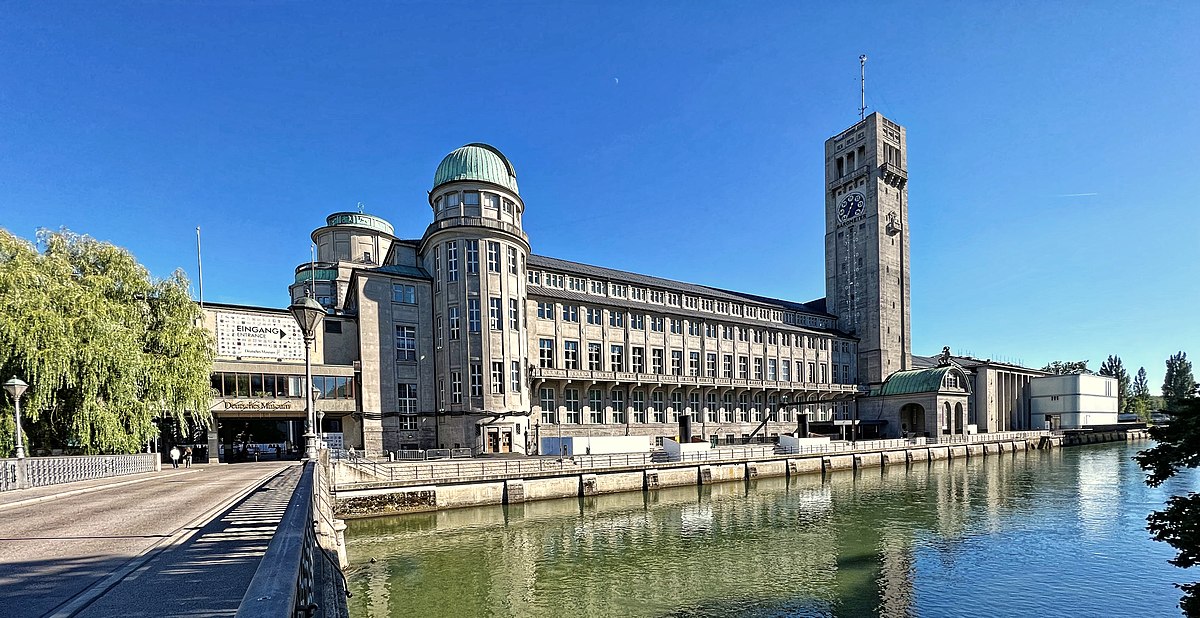
Deutsches Museum
📍 Bavaria, Germany
Located in the heart of Munich, Germany, the Deutsches Museum is a premier destination for science and technology enthusiasts. As one of the largest …

Q71691971
📍 Baden-Württemberg, Germany
In the heart of Dinkelsbühl, Bavaria, a charming town known for its medieval architecture and vibrant culture, lies Q71691971, an engaging science …