
Antonshütte
Overview
Antonshütte, located in the scenic Schwarzwassertal region of Germany, stands as a reminder of the industrial heritage that shaped the region. This former smelting factory offers visitors a glimpse into the historical processes of metal production that played a pivotal role in the local economy. The site is not just significant for its industrial past but also serves as a focal point for understanding the socio-economic changes that transpired in the area over time. With its intriguing architecture and remnants of machinery, Antonshütte invites exploration and reflection, making it a notable destination for those interested in industrial history.
The region surrounding Antonshütte is characterized by its lush landscapes and rich cultural backdrop, providing a striking contrast to the industrial nature of the site. The factory’s historical relevance and its setting create a unique opportunity for visitors to engage with both nature and history, making it a compelling stop on any heritage travel itinerary. Whether you are a history enthusiast, an architecture aficionado, or simply curious about the industrial evolution of Germany, Antonshütte promises a rewarding experience.
History and Significance
The history of Antonshütte is interwoven with the broader narrative of industrial development in Germany. While specific dates are not documented, the significance of smelting operations in this region is clear. Factories like Antonshütte were integral to the processing of raw materials, contributing to the economic growth of nearby towns and communities. The factory’s operations would have provided employment opportunities and stimulated local trade, shaping the lives of many individuals and families in the surrounding areas.
The cultural importance of Antonshütte extends beyond its economic contributions. It symbolizes the technological advancements of the era, showcasing the methods and machinery used in metal smelting. This site reflects a period when industrial practices began to transform traditional craftsmanship into large-scale production, influencing societal structures and lifestyles.
Today, Antonshütte serves as a key educational resource, illustrating the evolution of industrial techniques and their impact on society. The remnants of the factory allow for an exploration of the past, providing insight into the challenges and innovations faced by those who worked there. As visitors explore the site, they can appreciate the interplay between industry and community, gaining a deeper understanding of the historical context that shaped the region.
Architecture and Features
The architecture of Antonshütte is a striking representation of industrial design from its operational period. The factory features robust, functional structures that prioritize utility while reflecting the aesthetic sensibilities of the time. Visitors will find remnants of large chimneys, smokestacks, and various industrial buildings that hint at the scale and complexity of the smelting processes that once took place here.
One notable aspect of the site is the layout of the factory itself, which was designed for efficiency in the production of metals. The arrangement of machinery and workspaces reveals the practical considerations that guided its construction. Visitors may observe the remnants of furnaces and casting areas, which provide a tangible connection to the industrial activities that defined the site.
Additionally, the surrounding environment enhances the experience of visiting Antonshütte. The factory is set against a backdrop of lush greenery and natural beauty, creating a contrast that emphasizes the relationship between industry and nature. This juxtaposition can provoke thought and discussion about the environmental impacts of industrialization and the ongoing efforts to balance development with conservation.
Visiting Information
When planning a visit to Antonshütte, it is essential to consider transportation options, as the site is located in a more rural part of Germany. Depending on your starting point, accessing the factory may require a combination of public transport and walking. It is advisable to check the official website for current information on routes and accessibility.
Visitors can expect to spend a few hours exploring the factory grounds, as there are several areas to investigate and appreciate. The experience can be enriching, providing opportunities for photography and reflection. While specific visiting hours and ticket prices may vary, be sure to check the official website for the most accurate and up-to-date information.
The best times to visit are typically during the spring and autumn months when the weather is mild, and the natural surroundings are particularly beautiful. These seasons allow for a more comfortable outdoor experience and the opportunity to enjoy the site without the heavy tourist traffic that can occur during peak summer months.
Nearby Attractions
While visiting Antonshütte, consider exploring some nearby attractions that enrich the cultural experience:
Schwarzwassertal Nature Reserve: This picturesque area offers hiking trails and opportunities to observe local wildlife, perfect for nature enthusiasts.
Local Museums: A variety of small museums in nearby towns provide insights into the regional history, including exhibits on industrialization and local craftsmanship.
Historical Town Centers: Several towns in the vicinity boast well-preserved historical architecture and charming streets, ideal for leisurely strolls and cultural immersion.
Outdoor Recreation Areas: The region is known for its beautiful landscapes, making it a great destination for outdoor activities such as hiking and cycling.
Cultural Festivals: Depending on the time of year, local festivals celebrating tradition and craftsmanship may offer visitors unique experiences.
Insider Tips
For photography enthusiasts, Antonshütte provides numerous opportunities for striking images. The factory’s industrial structures, combined with the natural backdrop, create fascinating compositions. Early morning or late afternoon light often enhances the beauty of the site, so plan your visit accordingly.
To avoid larger crowds, consider visiting during weekdays or outside of peak tourist seasons. Early visits may provide a more serene atmosphere, allowing for greater appreciation of the site.
Practical Information
When visiting Antonshütte, it’s advisable to bring comfortable walking shoes, as the terrain can vary. Additionally, weather conditions can change, so layering your clothing is recommended to adapt to temperature fluctuations throughout the day.
Be mindful of seasonal considerations; the site may have limited access during winter months or inclement weather. Always check the official website for any specific advisories or updates regarding site conditions and accessibility.
Frequently Asked Questions
How long should I spend visiting?
A visit typically takes a few hours, allowing time to explore the factory grounds and take in the historical context.
Is photography allowed?
Yes, photography is generally permitted, but check for any specific restrictions at the site.
Are there guided tours?
Check the official website for information on guided tours, as availability may vary.
What’s the best time to visit?
Spring and autumn are ideal for pleasant weather and fewer crowds.
Is it wheelchair accessible?
Check the official website for details on accessibility options available at the site.
Can I buy tickets online?
Ticket purchasing options may vary; it is best to consult the official website for the latest information.
Are there restrooms and cafes?
Facilities may be limited; please refer to the official website for details on available amenities near the site.
What should I wear?
Dress comfortably and appropriately for the weather, with sturdy footwear for walking on uneven surfaces.
More in Bavaria

8. November 1939 (Denkmal)
📍 Bavaria, Germany
The 8. November 1939 (Denkmal) stands as a poignant monument in Munich, Germany, marking a significant moment in the nation’s history. Dedicated to …

Abbey of St. Nikola in Passau
📍 Bavaria, Germany
The Abbey of St. Nikola in Passau stands as a significant religious and cultural landmark in this historic German city. Located at coordinates …

Abensbergerdenkmal
📍 Bavaria, Germany
The Abensbergerdenkmal, a notable monument located in Freising, Upper Bavaria, Germany, serves as an evocative reminder of the region’s historical and …
Abrechen (München)
📍 Bavaria, Germany
Abrechen in München is a bridge that plays a significant role in the connectivity of this bustling German city. Located at coordinates 48.1357, …
Abschnittsbefestigung Andechs
📍 Bavaria, Germany
The Abschnittsbefestigung Andechs, a striking castle located in the scenic region of Andechs, Germany, offers a fascinating glimpse into the …
Abschnittsbefestigung im Taitinger Holz
📍 Bavaria, Germany
The Abschnittsbefestigung im Taitinger Holz represents an intriguing chapter in Germany’s medieval architectural narrative. Located in Bavaria, this …
More Factories
A. Heucke
📍 Lower Saxony, Germany
A. Heucke, located in the historic town of Gatersleben in Germany’s Seeland region, represents a significant chapter in the story of industrial …
Adam Opel AG Werk Bochum I
📍 Lower Saxony, Germany
The Adam Opel AG Werk Bochum I, located in Germany, represents a significant chapter in the history of industrial production. This former production …
Adam Opel AG Werke Bochum II/III
📍 Lower Saxony, Germany
Adam Opel AG Werke Bochum II/III is a distinguished factory located in Germany, playing a significant role in the automotive industry. This site is …
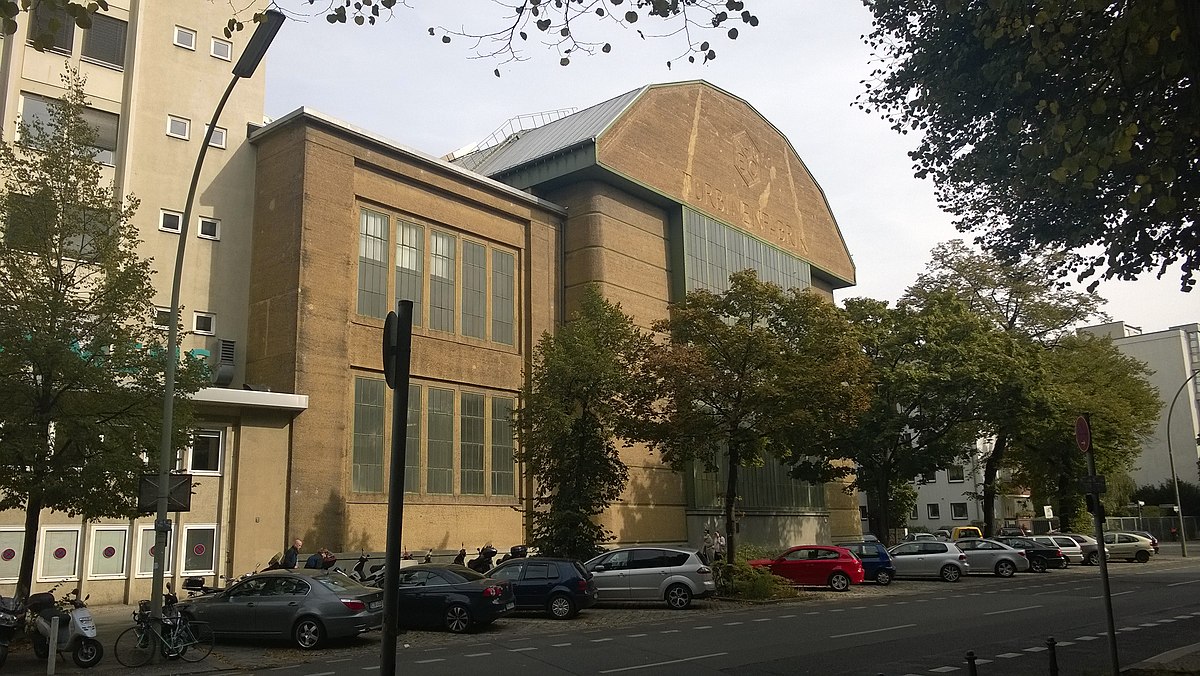
AEG's Turbine factory
📍 Berlin, Germany
The AEG Turbine Factory, an iconic structure in Berlin’s Bezirk Mitte, is a significant landmark that reflects the industrial heritage of the city. …
AKA-Radiergummifabrik
📍 Lower Saxony, Germany
The AKA-Radiergummifabrik, a significant former factory located in Hannover, Germany, offers a unique glimpse into the industrial past of the region. …

Alte Malzfabrik
📍 Lower Saxony, Germany
Alte Malzfabrik, located in Mülheim an der Ruhr, Germany, is an intriguing factory site that encapsulates the industrial heritage of the region. This …