
Annener Gußstahlwerk concentration camp
Overview
The Annener Gußstahlwerk concentration camp, a subcamp of the infamous Buchenwald concentration camp, is a stark reminder of the dark chapters of human history. Located in Witten, Germany, this architectural ensemble holds significant historical weight, marking the site where forced laborers endured unimaginable hardships during World War II. As you walk through the remnants of this site, it offers a sobering reflection on the atrocities committed and serves as an important educational resource for understanding the impact of totalitarian regimes.
The camp’s history is intertwined with the broader narrative of the Holocaust, where countless individuals faced persecution and suffering. Visitors to the site can expect to engage with a poignant heritage that emphasizes the importance of remembrance and education. This guide aims to illuminate the history, architecture, and visiting information regarding the Annener Gußstahlwerk, inviting travelers to explore this significant yet somber location.
History and Significance
The Annener Gußstahlwerk, established as a subcamp of Buchenwald, played a crucial role during a time when the Nazi regime was expanding its network of forced labor camps. The site functioned primarily to support the war effort through the production of steel, utilizing the labor of imprisoned individuals who were subjected to inhumane conditions. The forced labor system was a key component of the Nazi economy, which relied on the exploitation of marginalized populations.
The camp’s establishment and operation reflect the larger strategies employed by the Nazis as they sought to maximize production while minimizing costs—often at the expense of human lives. The survival rates of those imprisoned were low, and many succumbed to the brutal conditions, starvation, and lack of medical care. The legacy of the Annener Gußstahlwerk is not just one of suffering but also of resilience, as it stands as a stark reminder of the consequences of hatred and intolerance.
In the years following the war, the site was largely forgotten, but in recent decades, there has been a renewed interest in preserving its memory. This reflects a broader movement across Europe to acknowledge and educate future generations about the Holocaust and the importance of preventing such atrocities from occurring again. Visiting the Annener Gußstahlwerk is not merely an exploration of a historical site; it is an opportunity to engage with the difficult conversations surrounding humanity’s past choices and their ongoing impact.
Architecture and Features
The Annener Gußstahlwerk concentration camp, as an architectural ensemble, reflects the utilitarian design typical of forced labor camps during the Nazi regime. While specific architectural details may not be extensively documented, the remnants of the camp provide insights into the conditions under which the prisoners lived and worked.
Visitors will find that the structure of the camp is primarily characterized by its industrial aesthetics, with functional buildings designed to support the production of steel. The layout of the camp would have been stark and practical, aimed at maximizing efficiency rather than comfort. The buildings likely included barracks for the prisoners, workspaces, and administrative offices, all constructed with an emphasis on utility rather than aesthetic appeal.
The site serves as a powerful backdrop for understanding the harsh realities faced by those interned there. While many of the original structures may no longer exist, the foundations and remnants that remain can evoke a sense of the camp’s grim past. It is essential for visitors to approach the site with sensitivity, recognizing the profound history embedded within its walls.
Visiting Information
Accessing the Annener Gußstahlwerk concentration camp is relatively straightforward. The site is located in Witten, Germany, and can be reached by various modes of transportation. If traveling by car, there are parking facilities nearby, and public transport options may also be available, providing convenient access for visitors.
Before planning your visit, it is advisable to check the official website for current information on opening hours, admission prices, and any guided tours that may be offered. The experience at the camp can be quite emotional, so it is recommended to allocate sufficient time for your visit—at least a few hours—to fully absorb the historical narratives and reflect on the significance of the site.
The best times to visit are during the spring and autumn months when the weather is generally mild, making it more comfortable for exploration. However, visitors are welcome throughout the year, with each season offering a different perspective on the site’s solemnity.
Nearby Attractions
Exploring Witten and the surrounding region can enrich your visit to the Annener Gußstahlwerk. Here are a few nearby attractions to consider:
Buchenwald Memorial: Located not far from Witten, this memorial site commemorates the victims of the Buchenwald concentration camp, providing further context to the history of forced labor and the Holocaust.
Witten Castle: This historical castle offers a glimpse into the region’s medieval past and is an excellent spot for those interested in architecture and history.
Museum of the History of the Ruhr: Situated in the nearby city of Bochum, this museum explores the industrial heritage of the Ruhr area, providing insights into the region’s economic development.
Sauerland: A short drive away, the Sauerland region is known for its picturesque landscapes and outdoor activities, offering a contrast to the solemnity of historical sites.
Dortmund U-Tower: A cultural center in Dortmund, this landmark showcases contemporary art and offers exhibitions that reflect on the region’s industrial past.
Insider Tips
When visiting the Annener Gußstahlwerk, it’s crucial to approach the experience with respect and mindfulness. Given the site’s historical significance, visitors may want to consider the following tips:
Photography: While photography may be allowed, be sensitive to the site’s nature. Capturing images of the memorials or places of remembrance should be done thoughtfully, respecting the memories of those who suffered.
Crowd Avoidance: To experience the site with greater solitude, consider visiting during weekdays or in the early morning. This can enhance your reflection time and allow for a more personal engagement with the history.
Practical Information
Before heading to the Annener Gußstahlwerk concentration camp, it’s important to prepare accordingly. Here are some practical tips for your visit:
What to Bring: Comfortable walking shoes are essential, as the site may require some walking. Additionally, bring water and light snacks, as facilities may be limited.
Seasonal Considerations: Be aware of the weather when planning your visit. In colder months, dress in layers, while in warmer months, wear sun protection.
Respectful Attire: Given the nature of the site, it is advisable to dress modestly and respectfully.
Frequently Asked Questions
How long should I spend visiting?
A visit typically requires a few hours to fully engage with the history and reflect on the significance of the site.
Is photography allowed?
Photography might be permitted, but it is important to be respectful, particularly in memorial areas.
Are there guided tours?
Check the official website for information on guided tours, which can provide deeper insights into the site’s history.
What’s the best time to visit?
Spring and autumn are ideal for comfortable exploring, but the site is open year-round.
Is it wheelchair accessible?
Accessibility options may vary; check the official website for specific information regarding wheelchair access.
Can I buy tickets online?
Visit the official website for the most current information on ticket purchasing and entry fees.
Are there restrooms and cafes?
Facilities may be limited; it’s advisable to check ahead before your visit.
What should I wear?
Dress modestly and comfortably, keeping in mind the need for respect when visiting a site of historical significance.
More in Lower Saxony

2000 Jahre Christentum
📍 Lower Saxony, Germany
The “2000 Jahre Christentum,” a prominent statue located in Brunswick, Germany, serves as a significant cultural landmark that reflects the rich …
A. Heucke
📍 Lower Saxony, Germany
A. Heucke, located in the historic town of Gatersleben in Germany’s Seeland region, represents a significant chapter in the story of industrial …

Aalto Theatre
📍 Lower Saxony, Germany
The Aalto Theatre in Essen, Germany, is a prominent cultural landmark that attracts both local and international visitors. Renowned for its …

Aasee
📍 Lower Saxony, Germany
Aasee is a picturesque lake located in the town of Ibbenbüren, Germany, serving as a popular destination for both locals and visitors alike. This …
Abgunst Mine
📍 Lower Saxony, Germany
Abgunst Mine, located in the industrial heart of Essen, Germany, is a significant heritage site that represents the country’s rich mining history. As …

Accumer Mühle
📍 Lower Saxony, Germany
Accumer Mühle is a captivating windmill located in Schortens, Germany, that showcases the remarkable engineering of traditional European mills. This …
More Architectural Ensembles

144., 176. und 184. Gemeindeschule
📍 Berlin, Germany
The 144., 176. und 184. Gemeindeschule, an architectural ensemble located in the vibrant city of Berlin, stands as a noteworthy example of educational …

Adelheidstraße 3–7, 9–12, 12a, 14, 15, 22–31, Amelungstraße 1, Friedrich-Ebert-Platz
📍 Lower Saxony, Germany
In the heart of Quedlinburg, Germany, lies a captivating architectural ensemble that reflects the town’s historical significance and cultural …

Aegidiimarkt
📍 Lower Saxony, Germany
Aegidiimarkt is a captivating architectural ensemble located in the heart of Münster, Germany. This vibrant square not only serves as a hub for local …
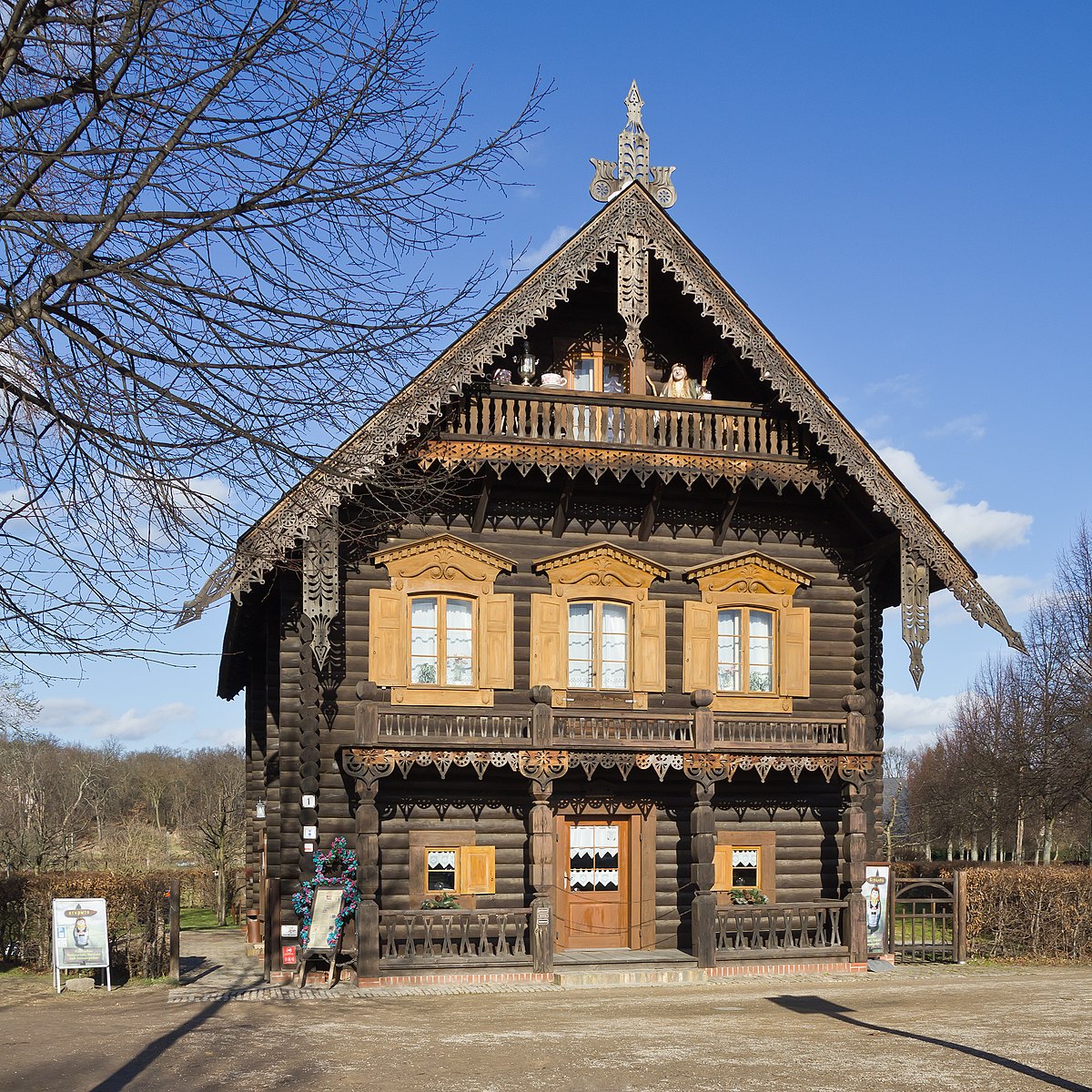
Alexandrowka
📍 Brandenburg, Germany
Located in the picturesque city of Potsdam, Germany, Alexandrowka is an intriguing architectural ensemble that reflects a unique blend of Russian and …

Alhauser Hammer
📍 North Rhine-Westphalia, Germany
Alhauser Hammer is a remarkable architectural ensemble located in Ennepetal, Germany, known for its historical significance as a water-driven hammer …

Alsdorfer Ölmühle
📍 North Rhine-Westphalia, Germany
The Alsdorfer Ölmühle, an architectural ensemble located in the heart of Alsdorf, Germany, is a remarkable example of a traditional watermill that …