Annaberg-Frohnau Mining Landscape
Overview
The Annaberg-Frohnau Mining Landscape, located in Germany, represents a significant chapter in the story of European industrial heritage. This cultural landscape is part of a World Heritage site that highlights the historical importance of mining in the region, showcasing both the ingenuity of human engineering and the profound impact of mineral extraction on societal development. The site is a blend of natural beauty and man-made structures that narrate stories of labor, community, and innovation, making it an essential destination for those interested in history and culture.
The landscape is characterized by its rich mining heritage, which has shaped the local economy and culture for centuries. Visitors can expect to find remnants of mining operations, historic structures, and an insightful glimpse into the lives of those who worked in this industry. As you traverse the area, you’ll encounter a landscape that has been molded by centuries of mining activity, offering a unique perspective on the interplay between nature and human endeavor.
Set against the backdrop of Germany’s picturesque countryside, the Annaberg-Frohnau Mining Landscape holds significance not just for its historical context but also for its role in contemporary discussions around sustainable practices and heritage conservation. With its compelling narrative and striking features, it invites exploration and appreciation from visitors of all backgrounds.
History and Significance
The mining activities in the Annaberg-Frohnau region date back several centuries, playing a vital role in the economic and social development of the area. The mines here are a reflection of the region’s rich deposits of minerals, particularly silver, which were extensively exploited. The prosperity generated by mining attracted workers and their families, leading to the establishment of a thriving community that was intricately linked to the industry.
Over time, the technological advancements in mining methods and tools transformed the landscape, leaving behind a legacy of structures such as shafts, adits, and processing facilities. These remnants serve as historical markers, illustrating the evolution of mining practices and the lives of the miners. The Annaberg-Frohnau Mining Landscape is thus more than just a site of industrial activity; it embodies the cultural and social dynamics of the communities that developed around these operations.
The area’s designation as a World Heritage site underscores its universal value. It stands as a reminder of the historical significance of mining in shaping economies and communities across Europe. This recognition has fostered efforts to preserve and promote the mining heritage, ensuring that future generations can learn from and appreciate this integral part of human history.
Architecture and Features
The Annaberg-Frohnau Mining Landscape is marked by a variety of architectural features that reflect its mining heritage. Visitors will encounter an array of historical structures, including the remnants of mines, processing facilities, and workers’ housing that showcase the industrial architecture of the time.
Noteworthy features include the impressive mining shafts, which are engineering marvels of their era, designed to access the mineral-rich veins beneath the earth. The layout of the site reveals the intricate planning and organization required for successful mining operations. The processing facilities are equally significant, demonstrating the methods used to extract and refine minerals, and providing insight into the labor-intensive processes that defined the industry.
In addition to these structures, the landscape itself is shaped by the environmental changes brought about by mining. The topography features altered landforms, reflecting centuries of excavation and mineral extraction. The combination of natural and built environments creates a unique landscape that tells the story of human impact on the earth.
Visitors can also appreciate the aesthetic qualities of the area, with its blend of historical architecture set against the backdrop of the surrounding countryside. This juxtaposition of human-made structures and natural beauty enhances the overall experience, inviting contemplation of the relationship between industry and nature.
Visiting Information
Visiting the Annaberg-Frohnau Mining Landscape offers a chance to delve into an important aspect of cultural heritage. The site is accessible via various modes of transport, making it convenient for visitors from different regions. It is advisable to check the official website for current information on operating hours and entrance fees, as these details can vary.
Upon arrival, visitors can expect a range of experiences, from guided tours that provide in-depth insights into the area’s history to self-guided explorations that allow for personal discovery. The site is designed to accommodate various interests, whether you are keen on learning about mining technology or wish to enjoy the tranquil surroundings.
For a fulfilling experience, it is recommended to allocate several hours to explore the landscape fully. Depending on your pace and interests, a visit could last anywhere from a few hours to a full day. The best times to visit are typically during the spring and autumn months when the weather is mild, and the landscape is particularly inviting.
Nearby Attractions
While the Annaberg-Frohnau Mining Landscape is a captivating destination in itself, there are several nearby attractions worth exploring:
Erzgebirge: This mountain range offers stunning natural beauty and a variety of outdoor activities, including hiking and skiing in the winter months.
Annaberg-Buchholz: A neighboring town known for its historical significance and charming architecture, including the St. Anne’s Church, which dates back to the 15th century.
Frohnau Village: A picturesque village that showcases traditional Saxon architecture and provides a glimpse into rural life in the region.
Mining Museum: Located nearby, this museum offers in-depth exhibits on the history of mining in the Erzgebirge region and the technological advancements that shaped the industry.
Kunstsammlungen Chemnitz: An art museum that features a diverse collection of works, providing a cultural complement to the historical exploration of the mining landscape.
Insider Tips
For those keen on photography, the Annaberg-Frohnau Mining Landscape presents numerous opportunities to capture the essence of industrial heritage against a scenic backdrop. Early morning or late afternoon light is ideal for photography, creating a soft glow that enhances the textures of the historical structures.
To avoid crowds, consider visiting during weekdays or outside of peak tourist seasons. This approach allows for a more intimate experience and the chance to appreciate the site’s details without the hustle and bustle of larger groups.
Practical Information
When planning your visit to the Annaberg-Frohnau Mining Landscape, it is advisable to dress comfortably and wear sturdy footwear, as some areas may require walking on uneven terrain. A light jacket may be useful, especially during early spring or late autumn when temperatures can be cooler.
Consider bringing water and snacks, as amenities on-site may be limited. Additionally, check seasonal considerations for weather conditions that could affect your visit. It’s always wise to prepare for varying weather, particularly if you plan to explore the outdoor areas of the landscape.
Frequently Asked Questions
How long should I spend visiting?
A visit typically lasts between a few hours to a full day, depending on your interests in exploring the site’s features.
Is photography allowed?
Yes, photography is generally permitted, allowing visitors to capture the beauty and heritage of the landscape.
Are there guided tours?
Yes, guided tours are available and provide valuable insights into the history and significance of the mining landscape.
What’s the best time to visit?
Spring and autumn are ideal for visiting, offering mild weather and pleasant conditions for exploration.
Is it wheelchair accessible?
Check the official website for specific accessibility information, as some areas may present challenges.
Can I buy tickets online?
It’s advisable to check the official website for information on ticket purchasing options.
Are there restrooms and cafes?
Facilities may be limited, so it’s best to check the official site for details on available amenities.
What should I wear?
Wear comfortable clothing and sturdy footwear suitable for walking on uneven terrain, and consider a light jacket for cooler weather.
More in Bavaria

8. November 1939 (Denkmal)
📍 Bavaria, Germany
The 8. November 1939 (Denkmal) stands as a poignant monument in Munich, Germany, marking a significant moment in the nation’s history. Dedicated to …

Abbey of St. Nikola in Passau
📍 Bavaria, Germany
The Abbey of St. Nikola in Passau stands as a significant religious and cultural landmark in this historic German city. Located at coordinates …

Abensbergerdenkmal
📍 Bavaria, Germany
The Abensbergerdenkmal, a notable monument located in Freising, Upper Bavaria, Germany, serves as an evocative reminder of the region’s historical and …
Abrechen (München)
📍 Bavaria, Germany
Abrechen in München is a bridge that plays a significant role in the connectivity of this bustling German city. Located at coordinates 48.1357, …
Abschnittsbefestigung Andechs
📍 Bavaria, Germany
The Abschnittsbefestigung Andechs, a striking castle located in the scenic region of Andechs, Germany, offers a fascinating glimpse into the …
Abschnittsbefestigung im Taitinger Holz
📍 Bavaria, Germany
The Abschnittsbefestigung im Taitinger Holz represents an intriguing chapter in Germany’s medieval architectural narrative. Located in Bavaria, this …
More Cultural Landscapes

Altes Land
📍 Lower Saxony, Germany
Altes Land, located in northern Germany, is a remarkable cultural landscape that reflects the unique agricultural heritage and traditional practices …

Altmark
📍 Brandenburg, Germany
The Altmark region, located in the northwestern part of Saxony-Anhalt, Germany, offers a unique glimpse into a cultural landscape shaped by centuries …
Buchholz Mining Landscape
📍 Bavaria, Germany
The Buchholz Mining Landscape, located in Germany, is a remarkable cultural landscape that offers a glimpse into the historical significance of mining …
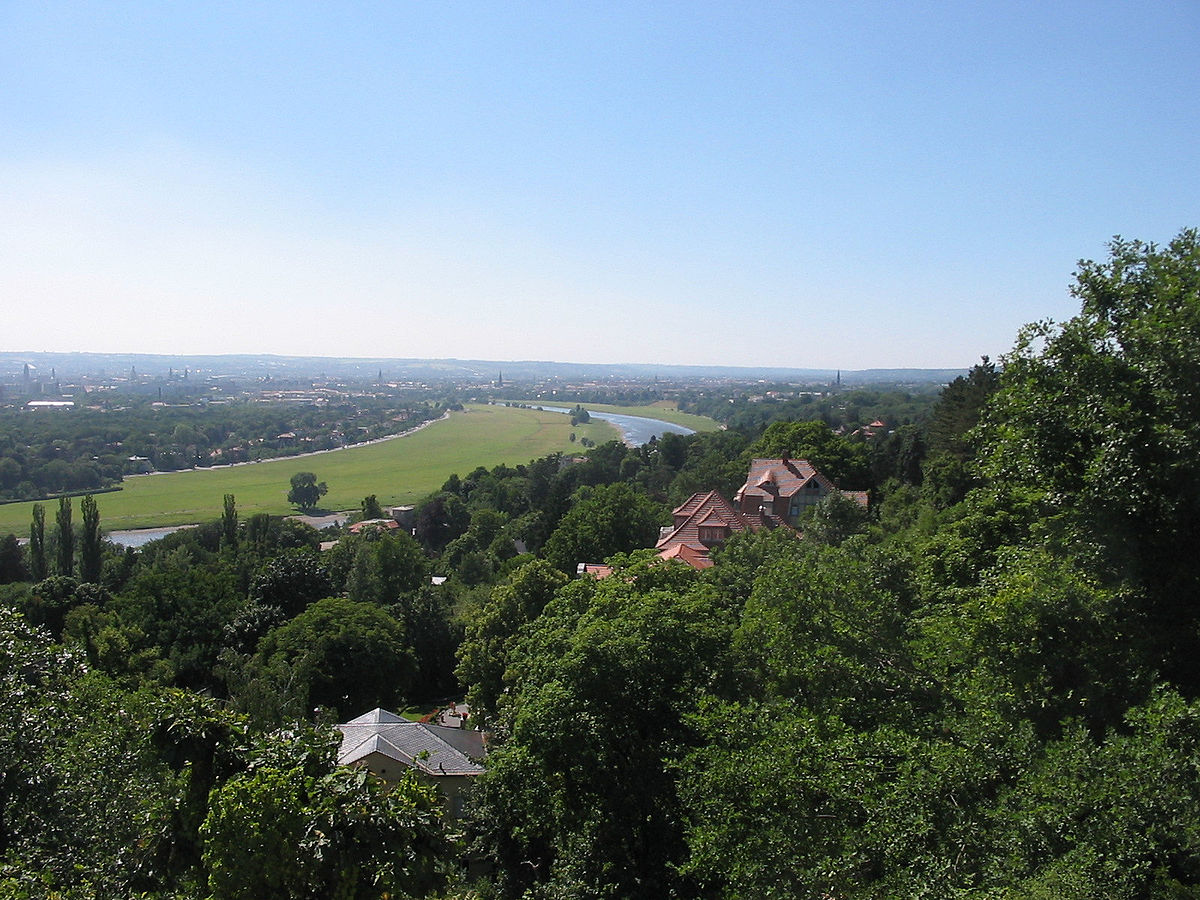
Dresden Elbe Valley
📍 Saxony, Germany
The Dresden Elbe Valley, a UNESCO World Heritage Site, is a cultural landscape that reflects the rich historical and artistic heritage of Saxony, …
Ehrenfriedersdorf Mining Landscape
📍 Saxony, Germany
The Ehrenfriedersdorf Mining Landscape, a significant cultural landscape in Germany, invites visitors to explore a rich history of mining that has …