An der Schanze 1, 6, 15–18; Benndorfer Straße 1, 1a, 22; Grünstraße 10, Ringstraße 1, 2, 5, 6, 21–23, Schmiedestraße 1, 2, 4–7 (Dieskau)
Overview
Situated in the heart of the quaint village of Dieskau, part of the Kabelsketal municipality in Germany, the architectural ensemble at An der Schanze and its surrounding streets presents a fascinating glimpse into the region’s architectural heritage. Characterized by a collection of historically significant structures, this site encapsulates the essence of rural German architecture. Visitors to this area are invited to explore a well-preserved snapshot of local history, showcasing the architectural styles that have evolved over generations.
The ensemble not only serves as a testament to the historical evolution of Dieskau but also reflects the cultural identity of the region in Saxony-Anhalt. As you wander through the streets—Benndorfer Straße, Grünstraße, and others—you’ll find structures that represent a harmonious blend of functionality and aesthetic appeal, inviting exploration and appreciation. The site is easily accessible and offers a serene atmosphere, making it perfect for a leisurely visit.
Whether you are an architecture enthusiast, a history buff, or simply seeking a peaceful retreat, this architectural ensemble promises an enriching experience.
History and Significance
The architectural ensemble at An der Schanze and its adjoining streets is significant for its representation of local architectural styles and community development in Dieskau. This area has been shaped by various historical influences, reflecting the evolving needs of its residents across centuries. While specific dates regarding the construction of the individual buildings are not detailed, the overall design and layout provide insight into the village’s growth and adaptation over time.
The ensemble highlights the importance of community and local craftsmanship, showcasing how architecture can serve not only as shelter but also as a means of cultural expression. Each building contributes to the narrative of Dieskau, representing the daily lives of its inhabitants and the evolution of rural living in Saxony-Anhalt.
In recent years, the preservation of such architectural ensembles has become increasingly vital for maintaining the cultural heritage of the region. This site stands as an example of efforts to protect and celebrate local history, allowing future generations to understand and appreciate their roots.
Architecture and Features
The architectural ensemble at An der Schanze is marked by a variety of structures that demonstrate the regional architectural style typical of Saxony-Anhalt. The buildings are primarily residential, characterized by their functional design combined with traditional aesthetics. The use of local materials is evident in the construction, providing a cohesive visual identity to the ensemble.
Notable features include the distinct facades, which may showcase traditional wooden accents and brickwork, reflecting the craftsmanship of local builders. The layout of the streets—An der Schanze, Benndorfer Straße, and others—invites exploration, with each turn revealing unique architectural details that contribute to the ensemble’s charm.
The overall atmosphere of the area is one of tranquility, with well-maintained surroundings that enhance the beauty of the architecture. Visitors can appreciate the harmonious integration of the buildings within the landscape, making for an enriching exploration of both design and history.
Visiting Information
Visiting the architectural ensemble at An der Schanze is a straightforward experience, especially given its location in the small yet accessible village of Dieskau. The coordinates for the site are 51.435183, 12.041026, making it easily locatable for those using GPS or mapping services.
Transport options vary, so visitors are encouraged to check local transportation schedules to plan their journey. Whether arriving by car or public transit, the area is welcoming and conducive to exploration on foot.
Check the official website for current information on hours and any potential entry fees. A visit typically requires a couple of hours to fully appreciate the various buildings and the ambiance of the village. The best times to visit are during daylight hours, when the natural light enhances the colors and details of the architecture.
Expect a peaceful environment, perfect for leisurely strolls and quiet contemplation. The area is conducive to photography, allowing visitors to capture the beauty of the ensemble and its surroundings.
Nearby Attractions
While the architectural ensemble at An der Schanze is a highlight, there are several other attractions in close proximity that enrich the visitor experience:
Kabelsketal Local History Museum: A short distance away, the museum offers insights into the local history and culture, complementing the architectural exploration.
Church of St. Andrew: This nearby church is notable for its historical significance and architectural beauty, providing another layer to the cultural experience in Dieskau.
Nature Trails: Surrounding the village are various nature trails ideal for walking or cycling, allowing visitors to enjoy the natural landscape of Saxony-Anhalt alongside their architectural exploration.
Local Markets: Depending on the season, local markets may provide an opportunity to experience regional products and crafts, further enriching your visit.
Insider Tips
To make the most of your visit to the architectural ensemble at An der Schanze, consider these insider tips:
Photography: Capture the essence of the ensemble during early morning or late afternoon for optimal lighting. The soft hues of dawn or dusk can enhance the colors and details of the buildings.
Crowd Avoidance: Weekdays tend to be less crowded than weekends, so if possible, plan your visit during the week for a more serene experience.
Practical Information
When preparing for your visit, consider bringing a few essentials to enhance your experience:
Comfortable Footwear: Given that the best way to explore the architectural ensemble is on foot, comfortable shoes are recommended.
Weather-Appropriate Clothing: The climate can vary, so check the forecast and dress accordingly, especially if you plan to enjoy outdoor areas.
Water and Snacks: While there may not be extensive amenities on-site, having water and light snacks can make your visit more enjoyable.
Frequently Asked Questions
How long should I spend visiting?
A visit can typically last between two to three hours, allowing ample time to explore the buildings and enjoy the surroundings.
Is photography allowed?
Yes, photography is permitted, making it a great opportunity to capture the beauty of the architecture.
Are there guided tours?
Information on guided tours can vary; check the official website for any offerings.
What’s the best time to visit?
Visiting during daylight hours is recommended, with early morning or late afternoon providing the best natural light for photography.
Is it wheelchair accessible?
Accessibility information may vary by specific buildings; it’s advisable to check the official website for details.
Can I buy tickets online?
Check the official website for information regarding ticket purchases and any potential fees.
Are there restrooms and cafes?
Restroom facilities and cafes may not be available on-site. It’s wise to plan accordingly before your visit.
What should I wear?
Comfortable attire suitable for walking is recommended, along with weather-appropriate clothing based on the forecast.
Exploring the architectural ensemble at An der Schanze and its surrounding streets in Dieskau offers a delightful blend of history, culture, and architecture. Whether you are a local resident or a traveler, this site presents an opportunity to appreciate the charm and significance of rural German heritage.
More in Brandenburg
Agnetenkloster
📍 Brandenburg, Germany
Agnetenkloster, a former monastery located in the heart of Magdeburg, Germany, invites visitors to explore its serene ambiance and historical …

Agroneum
📍 Brandenburg, Germany
Agroneum is a museum located in the serene landscape of Alt Schwerin, Germany. This establishment serves as a vibrant hub for those interested in the …

Alexander Nevsky Memorial Church
📍 Brandenburg, Germany
The Alexander Nevsky Memorial Church in Potsdam, Germany, offers visitors a unique glimpse into the city’s cultural and religious heritage. This …
Alexandrowka
📍 Brandenburg, Germany
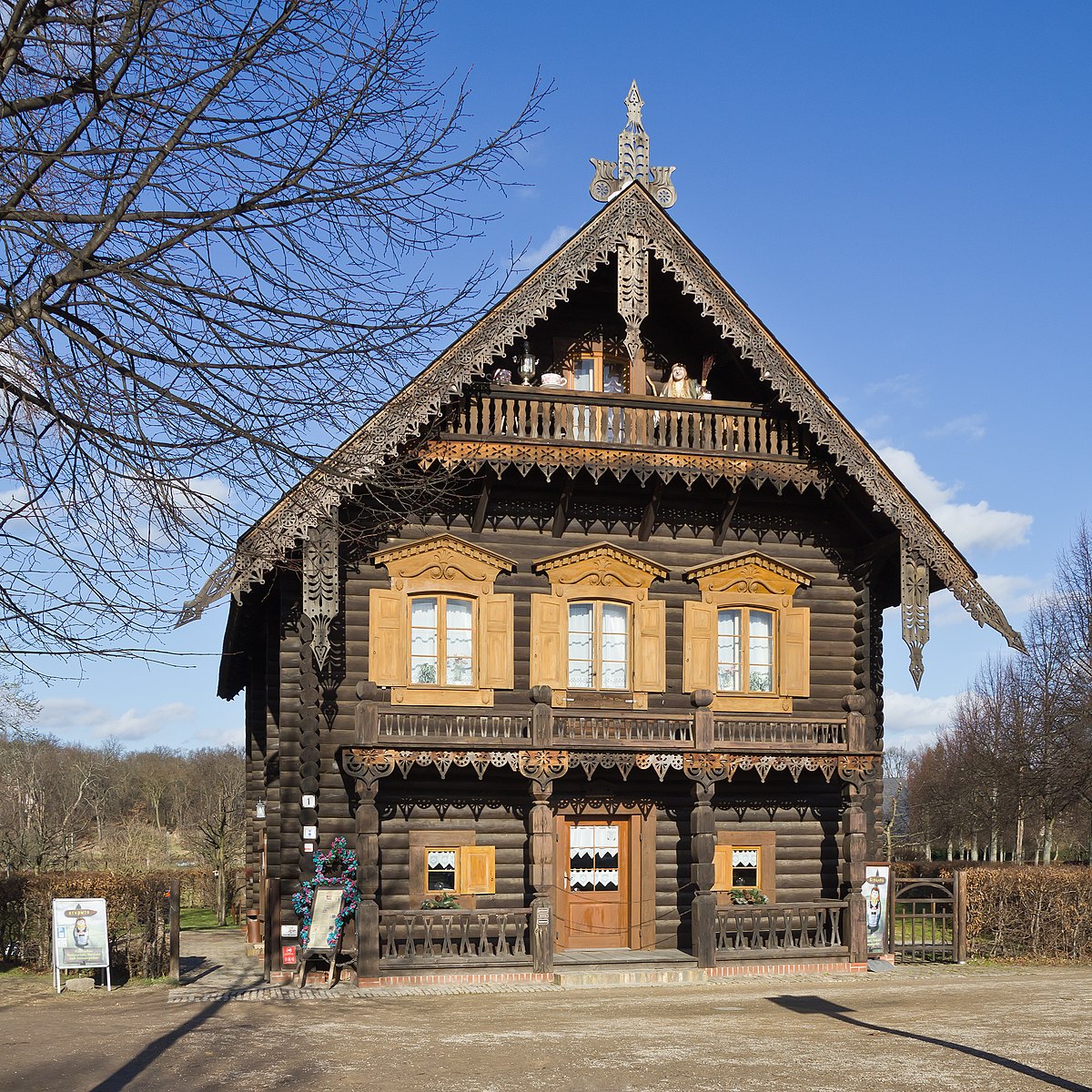
Located in the picturesque city of Potsdam, Germany, Alexandrowka is an intriguing architectural ensemble that reflects a unique blend of Russian and …

Alte Burg Penzlin
📍 Brandenburg, Germany
Alte Burg Penzlin, a captivating castle located in the quaint town of Penzlin, Germany, serves as a remarkable example of medieval architecture and …

Alte Dorfkirche Röxe
📍 Brandenburg, Germany
The Alte Dorfkirche Röxe stands as a poignant symbol of architectural and cultural history in the Stendal region of Germany. This church building, …
More Architectural Ensembles

144., 176. und 184. Gemeindeschule
📍 Berlin, Germany
The 144., 176. und 184. Gemeindeschule, an architectural ensemble located in the vibrant city of Berlin, stands as a noteworthy example of educational …

Adelheidstraße 3–7, 9–12, 12a, 14, 15, 22–31, Amelungstraße 1, Friedrich-Ebert-Platz
📍 Lower Saxony, Germany
In the heart of Quedlinburg, Germany, lies a captivating architectural ensemble that reflects the town’s historical significance and cultural …

Aegidiimarkt
📍 Lower Saxony, Germany
Aegidiimarkt is a captivating architectural ensemble located in the heart of Münster, Germany. This vibrant square not only serves as a hub for local …
Alexandrowka
📍 Brandenburg, Germany
Located in the picturesque city of Potsdam, Germany, Alexandrowka is an intriguing architectural ensemble that reflects a unique blend of Russian and …

Alhauser Hammer
📍 North Rhine-Westphalia, Germany
Alhauser Hammer is a remarkable architectural ensemble located in Ennepetal, Germany, known for its historical significance as a water-driven hammer …

Alsdorfer Ölmühle
📍 North Rhine-Westphalia, Germany
The Alsdorfer Ölmühle, an architectural ensemble located in the heart of Alsdorf, Germany, is a remarkable example of a traditional watermill that …