Overview
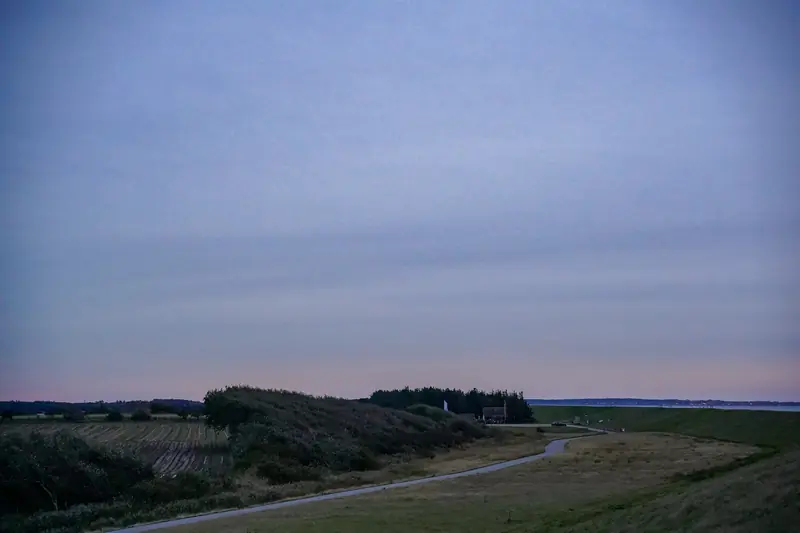
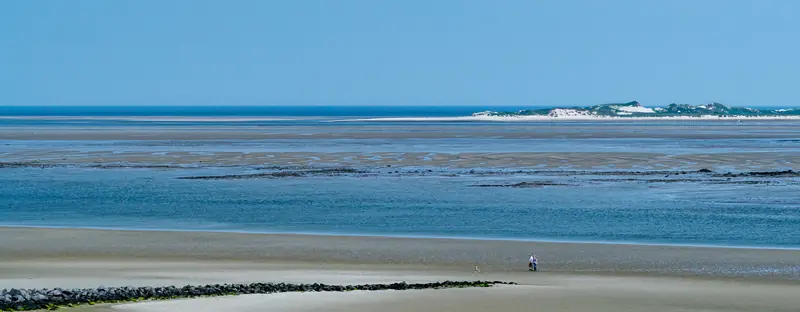
Amrum is an enchanting island located in the North Frisia district of Germany, celebrated for its unique blend of natural beauty and cultural significance. This island, part of the North Frisian Islands, offers visitors a serene escape characterized by expansive sandy beaches, lush dunes, and a rich tapestry of wildlife. The island’s geographical coordinates place it within the picturesque North Sea, where its landscape evolves from tranquil shorelines to vibrant heathlands, making it a prime destination for nature enthusiasts and history buffs alike.
Amrum is not just a haven for relaxation; it also serves as a vital ecological area, providing habitat for various bird species and marine life. The island has a strong cultural heritage, reflecting the traditions and lifestyle of the Frisian people. As a travel destination, Amrum promises visitors a unique experience where they can immerse themselves in the natural environment while exploring the island’s traditions and historical narratives.
History and Significance
The history of Amrum stretches back centuries, with evidence of human habitation dating back to early medieval times. The island has traditionally been inhabited by the Frisian people, known for their seafaring skills and agricultural practices. Over the years, Amrum has faced challenges, particularly from the North Sea’s relentless forces, leading to changes in its geography and settlement patterns.
Culturally, Amrum holds a significant place in the region’s identity. The island’s dialect, Amrum Frisian, represents a crucial aspect of the local heritage, showcasing the linguistic diversity of the Frisian people. The island’s connection to the sea has also influenced its traditions, with fishing and maritime activities forming the backbone of its economy for generations.
The island’s landscape is dotted with historical structures, such as the iconic lighthouse, which has guided sailors safely through the treacherous waters of the North Sea. These landmarks are not only functional but also serve as symbols of Amrum’s maritime history. Throughout the years, the island has maintained its charm and connection to the past, making it a significant cultural site in Germany.
Architecture and Features
Amrum features a captivating blend of natural and architectural elements. Its most recognizable structure is the Amrum Lighthouse, which stands as a prominent feature along the coastline. This lighthouse, with its striking design, has been crucial for navigation and safety in the region.
The island’s architecture reflects its heritage, with traditional Frisian houses showcasing distinctive thatched roofs and wooden facades. These structures are typically built to withstand the harsh coastal climate, emphasizing the islanders’ adaptability and resilience.
The landscape itself is a significant feature of Amrum. The island is characterized by extensive sandy beaches that stretch for kilometers, bordered by rolling dunes that support a variety of plant and animal life. Inland, visitors can explore the unique heathlands, which are home to diverse ecosystems that highlight the island’s ecological importance.
Overall, Amrum’s architecture and natural features create an inviting atmosphere, encouraging exploration and appreciation of both its cultural and environmental significance.
Visiting Information
Reaching Amrum is an adventure in itself. Visitors typically arrive by ferry from the mainland, connecting to the island’s main settlements. Check the official website for current information on schedules and prices. Once on the island, transportation options include bicycles and walking paths, making it easy to explore at a leisurely pace.
When planning a visit, it’s advisable to allocate sufficient time to fully appreciate what Amrum has to offer. A day or two can provide a good overview, but those seeking a more immersive experience may want to stay longer to explore the natural landscapes and cultural sites in greater depth.
The best times to visit Amrum are during the late spring and summer months when the weather is mild, and the island is vibrant with life. However, the off-season can also offer a quieter experience for those looking to escape the crowds.
Nearby Attractions
Amrum is surrounded by several other islands and natural attractions worth exploring:
Sylt: Known for its upscale resorts and beautiful beaches, Sylt is easily accessible and offers a contrasting experience to Amrum’s tranquil charm.
Föhr: Another nearby island, Föhr features quaint villages and lush landscapes, ideal for those interested in cycling and hiking.
North Frisian Wadden Sea National Park: A UNESCO World Heritage Site, this national park is known for its unique tidal wetlands, offering opportunities for wildlife observation and walking tours.
Halligen Islands: These small islands, characterized by their unique landscapes and traditional lifestyles, are accessible via boat tours and provide an authentic glimpse into Frisian culture.
The Town of Nebel: Located on Amrum, this charming village showcases traditional Frisian architecture and offers local shops and cafes for a taste of island life.
Insider Tips
For photography enthusiasts, the golden hours of early morning and late afternoon provide the best lighting for capturing the island’s natural beauty. The expansive beaches and unique architectural features make for stunning compositions.
To avoid crowds, consider visiting during the weekdays or in the shoulder seasons of late spring or early fall. This can enhance your experience and allow for a more tranquil exploration of the island.
Practical Information
When preparing for a visit to Amrum, it’s essential to bring appropriate clothing for varying weather conditions. Layers are advisable, as coastal weather can change rapidly. Comfortable walking shoes are a must for exploring the island’s diverse terrain.
Seasonal considerations include the peak summer months, which can be busier with tourists. If you prefer a quieter experience, visiting in the off-peak months may offer a more relaxed atmosphere.
Frequently Asked Questions
How long should I spend visiting?
A visit of one to three days is recommended to explore the island and its attractions thoroughly.
Is photography allowed?
Yes, photography is generally permitted throughout the island, but be respectful of private properties and local customs.
Are there guided tours?
Guided tours may be available, particularly during peak tourist seasons. Check the official website for current offerings.
What’s the best time to visit?
Late spring to summer is ideal for pleasant weather, but the shoulder seasons can also provide a quieter experience.
Is it wheelchair accessible?
Accessibility may vary by location on the island. It is advisable to check specific sites for accessibility features.
Can I buy tickets online?
Check the official website for information regarding ticket purchases for any attractions or ferry services.
Are there restrooms and cafes?
Restrooms and cafes are available in main settlements, but it’s wise to plan accordingly when venturing into more remote areas.
What should I wear?
Dress in layers suitable for coastal weather, and wear comfortable shoes for walking and exploring the island’s diverse landscapes.
Photo Gallery