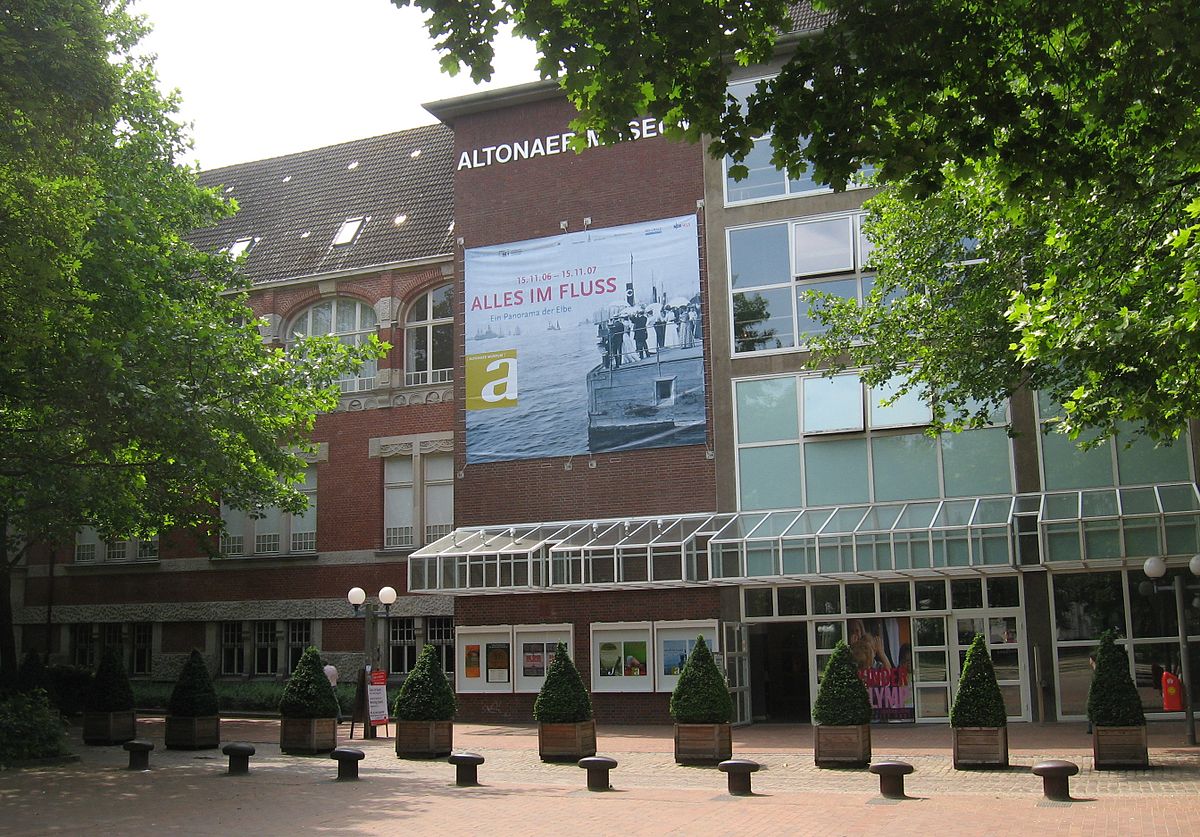
Altonaer Museum
Overview
The Altonaer Museum, situated in the vibrant district of Altona in Hamburg, Germany, serves as a cultural hub that encapsulates the maritime heritage and local history of the region. This museum invites visitors to explore its extensive collections that reflect the intricate interplay of maritime life, trade, and the evolution of Altona from a small fishing village to a bustling port city. With a focus on artifacts and exhibitions that highlight the significance of the Elbe River and its impact on the community, the Altonaer Museum offers a unique glimpse into the past.
As you wander through its halls, expect to uncover stories that span generations, offering insights into the daily lives of the people who have called Altona home. The museum enriches the cultural landscape of Hamburg, making it a must-visit for those interested in understanding the maritime influences that have shaped this dynamic region. Whether you are an avid history enthusiast or a casual visitor, the Altonaer Museum promises an engaging experience.
History and Significance
The history of the Altonaer Museum is intertwined with the development of Altona itself. This area has long been a vital part of Hamburg’s maritime trade, and the museum reflects that legacy through its carefully curated exhibits. Visitors can explore the historical context of Altona, which has seen various transformations from its origins as a fishing settlement to a significant port city.
The museum’s collections include a variety of artifacts that underscore the historical significance of maritime activities in the region. From ship models to navigational instruments, these items tell the story of how Altona became a crucial node in maritime commerce. The museum also places emphasis on the local culture, showcasing the lives of those who worked and thrived along the Elbe, providing visitors with a nuanced understanding of the social and economic factors that shaped the community.
In addition to its permanent collections, the Altonaer Museum often hosts temporary exhibitions that delve into specific themes relevant to maritime history and local heritage. These exhibitions serve to educate and engage the public, helping to foster a deeper appreciation for the rich cultural fabric of Altona. The museum’s role as a center for historical research and education further solidifies its importance in the cultural landscape of Hamburg.
Architecture and Features
The architectural design of the Altonaer Museum complements its historical significance. While specific details about its construction are not provided, the museum often reflects a blend of contemporary and traditional elements that resonate with its maritime theme. The building itself serves as a canvas for the exhibits within, creating an inviting atmosphere for exploration.
Visitors will find that the museum’s layout promotes an engaging experience, with thoughtfully organized displays that highlight various aspects of maritime history. The interior spaces are designed to enhance storytelling, guiding guests through different periods and facets of Altona’s rich heritage.
Notable features of the museum include its exhibition rooms, which are dedicated to showcasing a variety of artifacts and multimedia presentations. These spaces are designed to accommodate both individual exploration and guided tours, allowing for flexibility in how visitors engage with the exhibits.
Visiting Information
Planning a visit to the Altonaer Museum is straightforward, thanks to its accessible location within Hamburg. Various transportation options are available, including public transit services that connect the museum to other key areas of the city. For the latest information on hours of operation and ticket prices, check the official website.
Visitors can expect to spend a couple of hours exploring the museum, depending on their level of interest in the exhibits. The museum’s design encourages leisurely exploration, allowing guests to take their time to absorb the rich history on display.
The best times to visit may vary, but weekdays tend to be less crowded than weekends, providing a more intimate experience with the exhibits. If you prefer a quieter atmosphere, consider visiting during the early hours after opening.
Nearby Attractions
While visiting the Altonaer Museum, you may want to explore other attractions in the vicinity. Here are a few notable places to consider:
- Altona Fish Market: A vibrant market that has operated since the 18th century, offering fresh seafood and local delicacies.
- Altonaer Rathaus: The Altona Town Hall, an impressive architectural landmark reflecting the history of the district.
- Strandperle: A popular beach bar situated along the Elbe River, perfect for a relaxing break with scenic views.
- HafenCity: An innovative urban development area nearby, featuring modern architecture and waterfront attractions.
- Elbphilharmonie: A stunning concert hall recognized for its unique design and acoustics, located just a short distance away.
Insider Tips
When planning your visit to the Altonaer Museum, consider bringing a camera to capture the fascinating artifacts and exhibits. However, be sure to check the museum’s photography policy to ensure compliance. Additionally, if you wish to avoid crowds, aim for early morning visits during weekdays.
Practical Information
Before heading to the Altonaer Museum, it is advisable to check the weather forecast and dress accordingly, as Hamburg’s climate can be unpredictable. Comfortable walking shoes are recommended, as you’ll likely spend time exploring the museum and its surroundings. If you plan to stay for an extended period, consider bringing a water bottle and light snacks.
Frequently Asked Questions
How long should I spend visiting?
A visit typically takes around 2-3 hours, depending on your interest in the exhibits.
Is photography allowed?
Check the museum’s policy regarding photography, as restrictions may apply to certain exhibits.
Are there guided tours?
Guided tours may be available; check the official website for details on scheduling and availability.
What’s the best time to visit?
Weekdays, particularly in the morning, are often less crowded than weekends.
Is it wheelchair accessible?
The museum aims to be inclusive, but check the official website for specific accessibility information.
Can I buy tickets online?
Ticket purchasing options may be available online; refer to the official website for the latest details.
Are there restrooms and cafes?
Facilities are typically available, but confirm on the official website regarding specific amenities.
What should I wear?
Dress comfortably and adapt to the weather conditions during your visit.
By following this guide, you can ensure a fulfilling experience at the Altonaer Museum, where you’ll gain a deeper understanding of Hamburg’s rich maritime history and cultural heritage.
More in Hamburg

Abaton
📍 Hamburg, Germany
Abaton is a prominent movie theater located in the vibrant Eimsbüttel district of Hamburg, Germany. This cinema is not only a hub for film enthusiasts …

Abwasser- und Sielmuseum
📍 Hamburg, Germany
The Abwasser- und Sielmuseum, located in the heart of Hamburg-Mitte, offers a unique glimpse into the city’s historical infrastructure concerning …

Adolphsplatz
📍 Hamburg, Germany
Adolphsplatz is an intriguing square located in the heart of Hamburg-Mitte, Germany’s vibrant and historic urban center. This urban space serves as a …

Adventskirche
📍 Hamburg, Germany
Adventskirche, a notable church building located in the Eimsbüttel district of Hamburg, Germany, stands out not only for its architectural features …
Afghan Museum
📍 Hamburg, Germany
The Afghan Museum in Hamburg-Mitte offers a unique glimpse into the culture and history of Afghanistan, presenting visitors with a curated experience …

Ahrensburg Castle
📍 Hamburg, Germany
Ahrensburg Castle, a striking château located in the charming town of Ahrensburg, Germany, serves as a captivating representation of the region’s …
More Museums

Abbey and Altenmünster of Lorsch
📍 Baden-Württemberg, Germany
The Abbey and Altenmünster of Lorsch is a UNESCO World Heritage site located in the charming town of Lorsch, Germany. This significant cultural …
Abenteuermuseum
📍 Rhineland-Palatinate, Germany
The Abenteuermuseum, located in Germany, invites visitors to explore the wonders of adventure through its unique exhibits and engaging experiences. …
Abwasser- und Sielmuseum
📍 Hamburg, Germany
The Abwasser- und Sielmuseum, located in the heart of Hamburg-Mitte, offers a unique glimpse into the city’s historical infrastructure concerning …

Academy of Arts, Berlin
📍 Berlin, Germany
The Academy of Arts in Berlin is not just a museum; it is a prominent national institution dedicated to the advancement of the arts in Germany. …

Ackerbürgermuseum Haus Leck
📍 Hesse, Germany
Ackerbürgermuseum Haus Leck is a culturally significant museum located in Germany’s Grebenstein region, dedicated to preserving and showcasing the …

Active Museum Spiegelgasse
📍 Hesse, Germany
Active Museum Spiegelgasse is a vital institution dedicated to preserving and exploring the German-Jewish history of Wiesbaden, Germany. Located in …