Overview
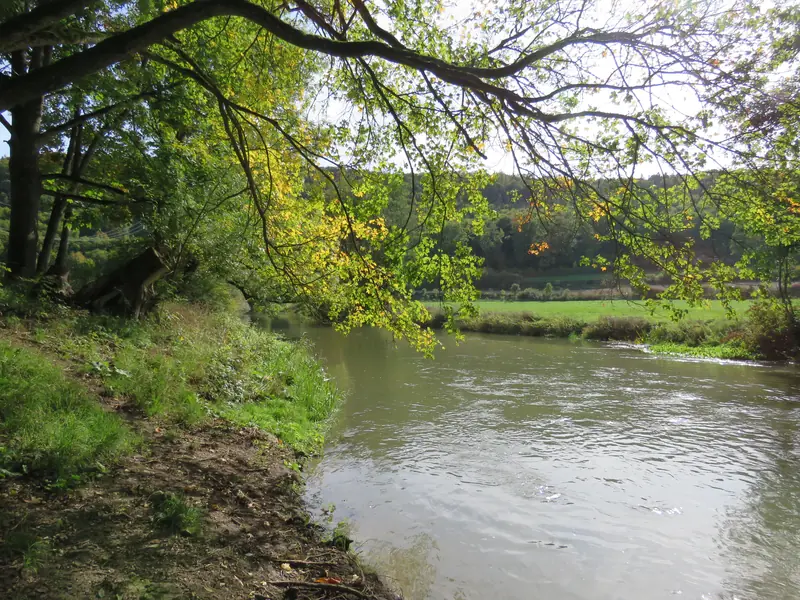
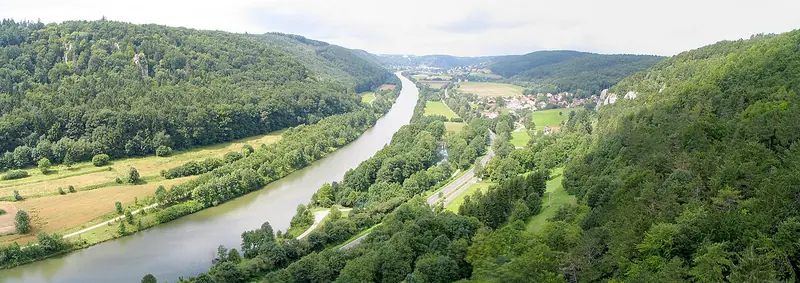
The Altmühl River flows gracefully through the heart of Bavaria, Germany, carving its path through lush landscapes and charming towns. This river is not just a significant natural feature of the region; it also serves as a vital artery for the local ecosystem and a focal point for outdoor activities. With its origins in the Franconian Jura, the Altmühl meanders through picturesque valleys and ancient territories, offering visitors a unique glimpse into the natural beauty and cultural heritage of southern Germany. As it winds its way toward the Danube, the river presents a harmonious blend of serene waters and vibrant plant life, making it a prime destination for nature enthusiasts and history buffs alike.
Significantly, the Altmühl River is part of the larger Altmühltal Nature Park, a protected area that showcases the ecological diversity and geological features of the region. The park offers numerous recreational opportunities, including hiking, cycling, and canoeing, drawing visitors who seek to engage with the great outdoors. Whether you are exploring the tranquil banks of the river or venturing into the surrounding hills, the Altmühl River promises an enriching experience filled with captivating sights and sounds.
History and Significance
The Altmühl River has played a vital role in shaping the history and culture of the Bavarian region. Its waters have long been a source of sustenance and transportation for local communities. Historically, the river served as a critical route for trade and communication, connecting various settlements and facilitating the movement of goods and people. The river’s significance is underscored by its presence in early historical records, where it is often mentioned in the context of local governance and land use.
The surrounding area is steeped in prehistoric and ancient history, with evidence of human habitation dating back thousands of years. Archaeological finds along the riverbanks, including tools and artifacts, testify to the long-standing relationship between the inhabitants and the natural landscape. The Altmühl Valley is also home to several notable archaeological sites, including remnants of Roman settlements, which highlight the area’s strategic importance during the Roman Empire.
In modern times, the Altmühl River continues to be an essential resource for the region. It supports a diverse ecosystem, providing habitat for various flora and fauna. The river is also a focal point for recreational activities, reflecting a growing appreciation for natural landscapes and sustainable tourism. The Altmühl Valley has been designated as a nature park, emphasizing the importance of conservation and responsible interaction with the environment.
Architecture and Features
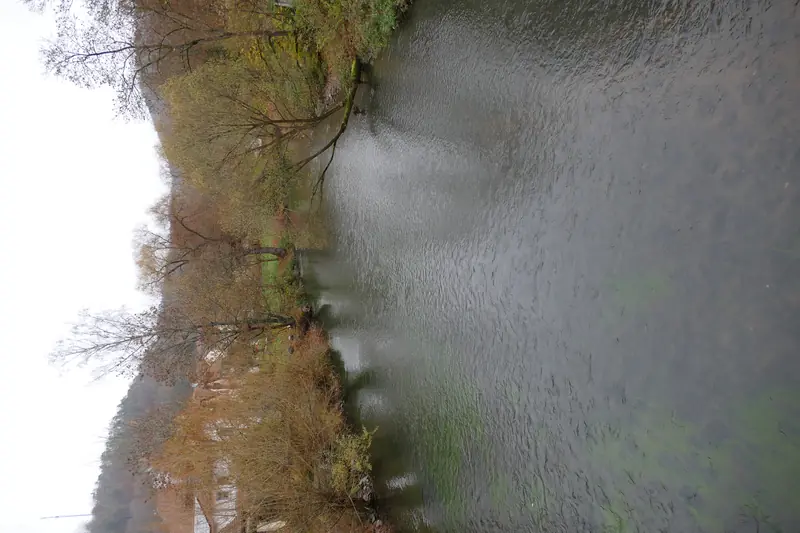
The Altmühl River is characterized by its gentle meanders and the lush landscapes that flank its banks. The river originates in the Franconian Jura, where it begins its journey through a series of valleys and hills. The water flows through diverse ecosystems, featuring wetlands, forests, and open fields that provide a rich habitat for wildlife. The river itself is typically shallow, with a steady current that makes it suitable for activities such as canoeing and kayaking.
Along the river, visitors can find a number of picturesque towns and villages, each with its own architectural charm. Traditional Bavarian buildings, often adorned with ornate frescoes and wooden balconies, line the riverbanks, creating a scenic backdrop for leisurely strolls and cycling excursions. Notable structures, such as bridges and mills, reflect the historical significance of the river in local commerce and daily life.
The Altmühl Valley is also home to unique geological features, including limestone cliffs and karst formations. These natural elements contribute to the captivating scenery and provide opportunities for exploration and adventure. The interplay of water, rock, and vegetation creates a visual feast for visitors, making the Altmühl River a delightful destination for photographers and nature lovers alike.
Visiting Information
When planning a visit to the Altmühl River, consider how to best access this natural wonder. The river is located in Bavaria, Germany, and is easily reachable by various means of transportation. Major cities like Munich and Nuremberg serve as excellent starting points, with public transport options available to reach the river and its surrounding areas. Trains and buses regularly connect these urban centers to smaller towns along the Altmühl, making exploration convenient for travelers.
Once at the river, there are numerous activities to engage in. Visitors can enjoy hiking and cycling along the well-marked trails that run parallel to the river, offering scenic views and opportunities for wildlife observation. Canoeing is also a popular activity, with various rental services available for those looking to glide along the gentle waters.
For the best experience, consider visiting during the spring and summer months when the weather is mild and the flora is in full bloom. Check the official website for current information on hours, prices, and seasonal events, as these can enhance your visit and provide additional context to the area’s rich natural heritage.
Plan for at least a day to explore the Altmühl River and its surroundings, allowing time for leisurely walks, picnics, and the chance to immerse yourself in the local culture. Whether you are seeking adventure or relaxation, the Altmühl River offers a welcoming environment for all.
Nearby Attractions
While the Altmühl River itself is captivating, its surroundings are equally inviting. Here are some notable nearby attractions worth exploring:
Altmühltal Nature Park: This expansive park encompasses a significant portion of the Altmühl River and is a haven for outdoor enthusiasts. With numerous trails for hiking and cycling, the park is a great place to experience the region’s natural beauty.
Donaudurchbruch: Located downstream, this scenic area features dramatic cliffs and stunning landscapes, offering visitors the chance to witness the powerful confluence of the Altmühl and Danube rivers.
Rothenburg ob der Tauber: A charming medieval town known for its well-preserved architecture and cobblestone streets. It is an ideal stop for those interested in history and culture.
Burg Prunn: This hilltop castle overlooks the Altmühl Valley and provides insight into the region’s feudal past. The castle is open to visitors and offers guided tours.
Weißenburg in Bayern: A historic town that features a blend of Roman history and medieval architecture, making it a fascinating stop along the river route.
Insider Tips
When visiting the Altmühl River, consider the following insider tips to enhance your experience:
Photography: Early morning or late afternoon provides the best lighting for photography along the river. The soft glow of sunrise or sunset casts a warm hue over the landscapes, creating stunning visuals.
Crowd Avoidance: If you prefer a quieter experience, try visiting during weekdays or early in the morning. Weekends, especially in peak tourist season, can attract larger crowds, particularly in popular areas along the river.
Local Cuisine: Don’t miss the chance to sample local Bavarian dishes in nearby towns. Many restaurants offer outdoor seating, allowing you to enjoy your meal while taking in the picturesque river views.
Practical Information
To make the most of your visit to the Altmühl River, here are some practical considerations:
What to Bring: Comfortable walking shoes are essential for exploring the trails, along with water and snacks for day trips. Don’t forget sunscreen and a hat, especially during the summer months.
Seasonal Considerations: The best times to visit are late spring through early autumn when the weather is pleasant and the natural surroundings are vibrant. However, each season offers a unique charm, with autumn colors providing a different yet equally appealing backdrop.
Safety: Always pay attention to local guidelines regarding water activities. If you plan to canoe, ensure you are equipped with life jackets and other safety gear.
Frequently Asked Questions
How long should I spend visiting?
A full day is recommended to fully explore the Altmühl River and its surrounding attractions, though a weekend can provide more in-depth experiences.
Is photography allowed?
Yes, photography is permitted in most areas along the river and its parks, making it an excellent opportunity for capturing the scenic landscapes.
Are there guided tours?
Check local tour operators for guided tours that may be available, particularly for specific activities like canoeing or historical walks.
What’s the best time to visit?
The best time to visit is during spring and summer for pleasant weather, but each season offers distinct natural beauty.
Is it wheelchair accessible?
Accessibility varies by location. Check specific sites for information on wheelchair access.
Can I buy tickets online?
For certain attractions and activities, online ticket purchases may be available. Check the official websites for current options.
Are there restrooms and cafes?
Many towns along the river have public facilities and cafes, particularly in tourist areas. Plan ahead for your stops.
What should I wear?
Dress in layers for comfort, and wear sturdy shoes suitable for walking or hiking. Consider weather conditions and prepare for sudden changes.
Photo Gallery