
Altmark
Overview
The Altmark region, located in the northwestern part of Saxony-Anhalt, Germany, offers a unique glimpse into a cultural landscape shaped by centuries of history and tradition. Spanning the Stendal District, this area is characterized by its rich agricultural heritage, scenic vistas, and historical towns that reflect the evolution of German culture. Visitors to Altmark will find an inviting blend of nature and heritage, offering an opportunity to explore the rural heart of Germany while engaging with its past.
The significance of Altmark goes beyond its picturesque scenery; it is a region that has played a crucial role in shaping the cultural identity of Germany. With its diverse landscapes, including lush fields and traditional villages, Altmark serves as a canvas illustrating the interactions between humans and their environment through the ages. This cultural landscape is not only a place to visit but a space to reflect on the ways in which history, agriculture, and community intertwine.
Whether you are wandering through the charming streets of its towns or enjoying the serene rural vistas, Altmark promises a multifaceted experience. It invites travelers to delve into its stories, from ancient settlements to modern agricultural practices, providing a captivating backdrop for those eager to explore Germany’s cultural landscapes.
History and Significance
The history of Altmark is intricate and deeply connected to the broader historical events that have shaped the region. Altmark has been inhabited since prehistoric times, and over the centuries, it has witnessed significant developments, including the establishment of trade routes and the rise of agriculture. This historical importance is reflected in its towns and landscapes, which have evolved alongside the people who have called this region home.
Throughout the Middle Ages, Altmark became known for its agricultural bounty, with fertile lands supporting thriving farming communities. This agricultural legacy is still evident today, as the region continues to produce a variety of crops and livestock, contributing to the local economy and cultural identity. The interplay of agriculture and settlement patterns has led to the formation of distinctive villages, each with unique architectural styles and cultural practices.
The cultural landscape of Altmark also encompasses significant historical sites, including churches, castles, and traditional farms that tell the story of the region’s past. These structures are not merely remnants of history; they represent the resilience and adaptability of the communities that built them. They stand as indicators of the historical significance of Altmark, reflecting the socio-economic changes that have occurred over the centuries.
As a cultural landscape, Altmark is recognized for its value not only in terms of its historical significance but also as a vital area for conserving agricultural practices and landscapes. The region is a living testament to the relationship between people and land, showcasing how cultural identities are shaped by the environments in which communities thrive.
Architecture and Features
The architecture of Altmark reflects a blend of historical influences and regional characteristics, making it a fascinating area for those interested in cultural heritage. Traditional half-timbered houses, prevalent in many villages, feature intricate woodwork and colorful façades, embodying the craftsmanship of bygone eras. These structures often serve as homes for local families while providing insight into the architectural styles that have developed over centuries.
In addition to residential buildings, the region is dotted with churches and other religious structures that highlight the spiritual heritage of Altmark. These churches often exhibit unique architectural details, such as ornate steeples and stained glass windows, representing the artistic expressions of their time. Many of these churches serve as focal points within their communities, hosting local events and celebrations.
The agricultural landscape itself is an essential feature of Altmark, characterized by vast fields and traditional farms. The landscape is shaped by centuries of farming practices, which have created a patchwork of cultivated land interspersed with natural areas. This agricultural heritage is not only vital for the local economy but also contributes to the region’s cultural identity.
As visitors explore Altmark, they will encounter various features that reflect the area’s history and cultural practices. From the layout of the villages to the remnants of ancient trade routes, every element of this cultural landscape tells a story. The combination of architecture, agricultural practices, and community life creates a unique atmosphere that invites exploration and appreciation of this significant cultural landscape.
Visiting Information
Traveling to Altmark offers a chance to experience the region’s rich cultural landscape firsthand. The area is accessible by various means of transportation, including road networks that connect it to neighboring towns and cities. Visitors can reach Altmark by car or public transport, with local bus services operating within the region.
Once in Altmark, visitors can expect to encounter a welcoming atmosphere, with friendly locals eager to share their heritage. Check the official website for current information regarding hours, prices, and specific attractions, as these may vary seasonally.
To fully appreciate what Altmark has to offer, it is recommended to allocate a few days for exploration. This timeframe allows travelers to visit multiple towns and enjoy the serene countryside. The best times to visit are during the spring and autumn months when the weather is mild and the landscapes are at their most vibrant.
While exploring, be prepared for a mix of leisurely walks through the countryside and visits to historical sites. The region’s flat terrain makes it suitable for walking and cycling, offering various trails for outdoor enthusiasts. Each village has its unique charm, making it worthwhile to take the time to wander and discover the local culture.
Nearby Attractions
While Altmark itself offers a wealth of experiences, several nearby attractions enhance the cultural journey through the region.
Stendal: The capital of the Stendal District, this town is known for its historical architecture, including the impressive St. Jacob’s Church, and offers a glimpse into the life of a traditional German town.
Salzwedel: Famous for its medieval town center, Salzwedel features well-preserved buildings and charming streets, making it a delightful stop for history enthusiasts.
Tangerhütte: A small town that showcases the agricultural heritage of the region, Tangerhütte offers scenic landscapes and opportunities to learn about local farming practices.
Burg bei Magdeburg: Located a short drive away, this area features a blend of natural beauty and historical sites, perfect for those interested in exploring further.
Möckern: Known for its beautiful countryside, Möckern provides outdoor activities and a peaceful environment to enjoy the natural landscape.
These attractions complement the experience of visiting Altmark, providing additional opportunities to engage with the cultural heritage of the region.
Insider Tips
To make the most of your visit to Altmark, consider the following insider tips:
Photography: The region offers numerous picturesque spots, particularly during the golden hours of sunrise and sunset. Be sure to capture the architectural details of the towns and the expansive agricultural landscapes.
Avoiding Crowds: Aim to visit during weekdays if possible, as weekends may attract more visitors, particularly to popular sites. Exploring lesser-known villages can also provide a more tranquil experience.
Local Events: Keep an eye out for local fairs or cultural events, as these can provide a deeper understanding of the region’s traditions and community spirit.
Practical Information
When planning your trip to Altmark, consider the following practical information:
What to Bring: Comfortable walking shoes are essential for exploring the towns and countryside. A camera for capturing the scenic views and a light jacket for cooler evenings will enhance your experience.
Seasonal Considerations: Spring and autumn offer mild weather ideal for outdoor exploration. Summer can be warm, while winter may bring cold temperatures, so pack accordingly based on the season of your visit.
Local Etiquette: Familiarize yourself with basic German phrases and customs, as this can enhance interactions with locals and show respect for their culture.
Frequently Asked Questions
How long should I spend visiting?
A two to three-day visit is ideal to fully appreciate Altmark and its surroundings.
Is photography allowed?
Yes, photography is generally permitted, but be respectful of private properties and any specific regulations at historical sites.
Are there guided tours?
Check local tourism information for any available guided tours that may enhance your experience.
What’s the best time to visit?
Spring and autumn are recommended for pleasant weather and vibrant landscapes.
Is it wheelchair accessible?
Accessibility may vary by location; check specific sites for detailed information.
Can I buy tickets online?
Check the official website for current information regarding ticket purchases for specific attractions.
Are there restrooms and cafes?
Facilities may vary by location; many towns offer cafes and public restrooms, especially near popular attractions.
What should I wear?
Dress comfortably, and consider layers to adapt to changing weather conditions while exploring the region.
In summary, Altmark is a culturally rich landscape that invites exploration and appreciation of its historical significance, architectural beauty, and agricultural heritage. With careful planning, visitors can immerse themselves in the essence of this captivating region.
More in Brandenburg
Agnetenkloster
📍 Brandenburg, Germany
Agnetenkloster, a former monastery located in the heart of Magdeburg, Germany, invites visitors to explore its serene ambiance and historical …

Agroneum
📍 Brandenburg, Germany
Agroneum is a museum located in the serene landscape of Alt Schwerin, Germany. This establishment serves as a vibrant hub for those interested in the …

Alexander Nevsky Memorial Church
📍 Brandenburg, Germany
The Alexander Nevsky Memorial Church in Potsdam, Germany, offers visitors a unique glimpse into the city’s cultural and religious heritage. This …
Alexandrowka
📍 Brandenburg, Germany
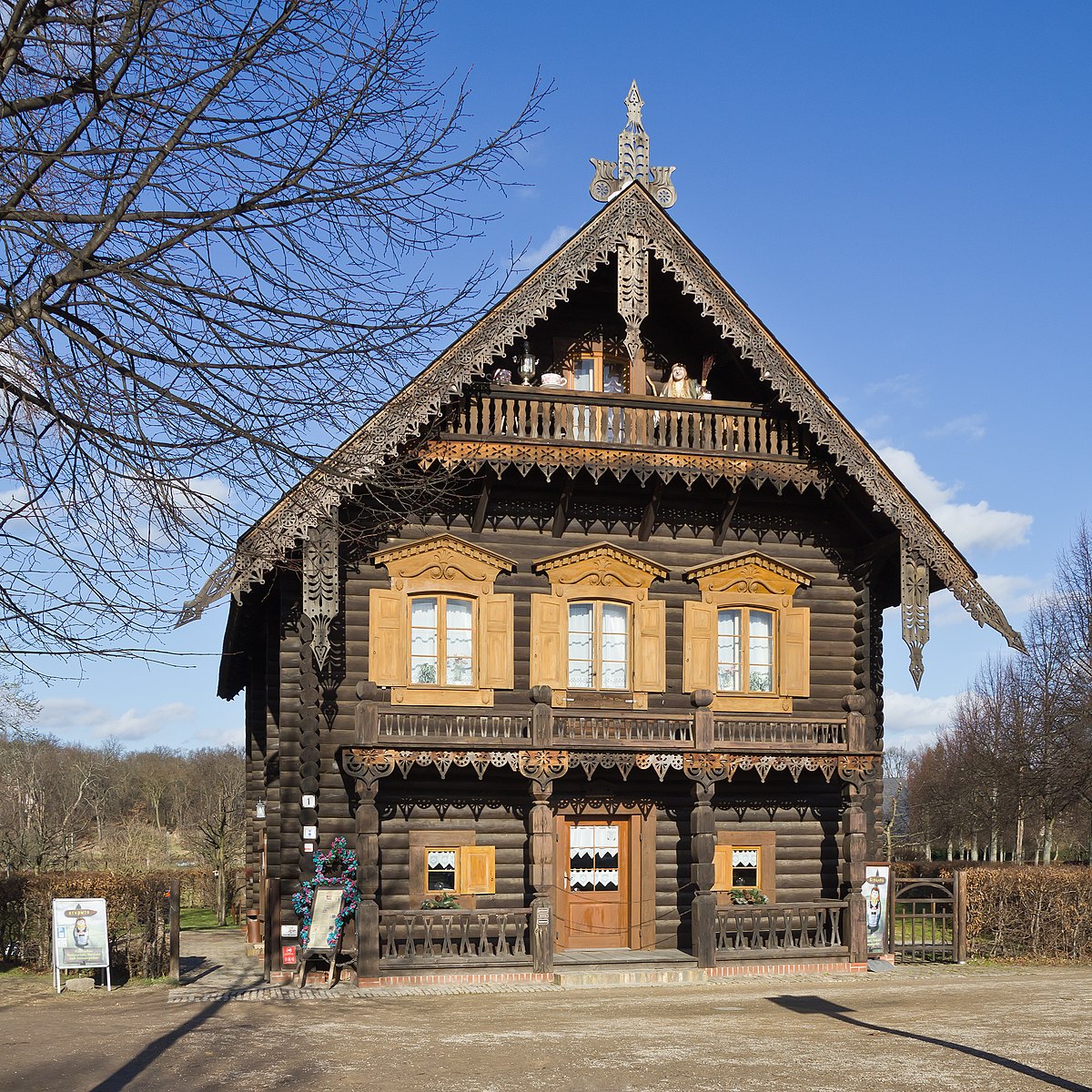
Located in the picturesque city of Potsdam, Germany, Alexandrowka is an intriguing architectural ensemble that reflects a unique blend of Russian and …

Alte Burg Penzlin
📍 Brandenburg, Germany
Alte Burg Penzlin, a captivating castle located in the quaint town of Penzlin, Germany, serves as a remarkable example of medieval architecture and …

Alte Dorfkirche Röxe
📍 Brandenburg, Germany
The Alte Dorfkirche Röxe stands as a poignant symbol of architectural and cultural history in the Stendal region of Germany. This church building, …
More Cultural Landscapes

Altes Land
📍 Lower Saxony, Germany
Altes Land, located in northern Germany, is a remarkable cultural landscape that reflects the unique agricultural heritage and traditional practices …
Annaberg-Frohnau Mining Landscape
📍 Bavaria, Germany
The Annaberg-Frohnau Mining Landscape, located in Germany, represents a significant chapter in the story of European industrial heritage. This …
Buchholz Mining Landscape
📍 Bavaria, Germany
The Buchholz Mining Landscape, located in Germany, is a remarkable cultural landscape that offers a glimpse into the historical significance of mining …
Dresden Elbe Valley
📍 Saxony, Germany
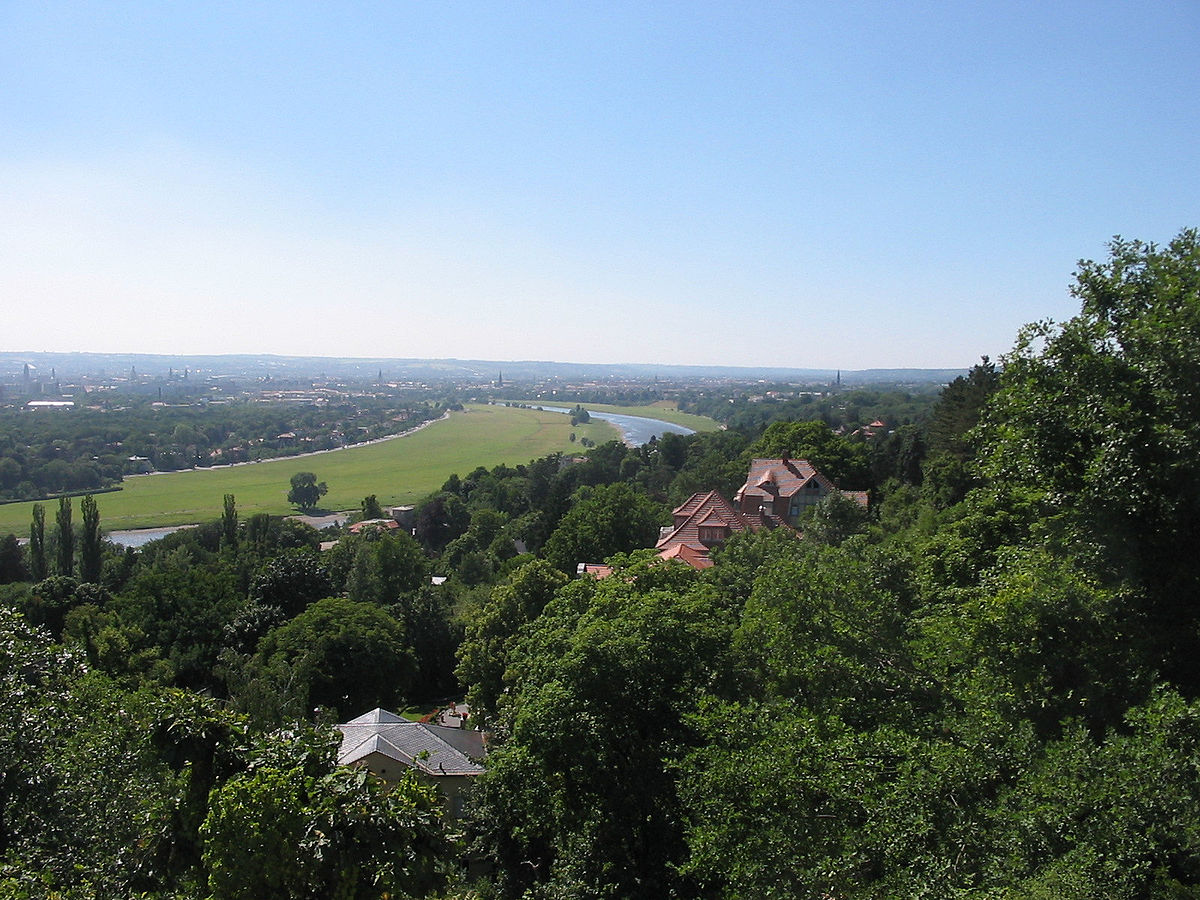
The Dresden Elbe Valley, a UNESCO World Heritage Site, is a cultural landscape that reflects the rich historical and artistic heritage of Saxony, …
Ehrenfriedersdorf Mining Landscape
📍 Saxony, Germany
The Ehrenfriedersdorf Mining Landscape, a significant cultural landscape in Germany, invites visitors to explore a rich history of mining that has …