
Altes Museum
Overview
The Altes Museum, located in Berlin’s Bezirk Mitte, is a prominent antiquities museum that offers visitors an insightful glimpse into the art and artifacts of ancient civilizations. This iconic structure is not just a repository of history; it is a landmark of neoclassical architecture that adds character to the vibrant cultural landscape of the city. The museum houses an impressive collection, making it a significant destination for art enthusiasts and history buffs alike. Visitors can expect to explore a variety of exhibits that showcase the artistic achievements of ancient cultures, including the Greeks, Romans, and Etruscans.
The museum’s central location in Berlin makes it easily accessible for both locals and tourists. Its significance as a cultural institution is underscored by its role in the broader context of Berlin’s historical narrative, particularly as it relates to the preservation and exhibition of art from antiquity. The Altes Museum promises an enriching experience, combining aesthetics and education, set against the backdrop of one of Europe’s most dynamic cities.
History and Significance
The Altes Museum has a storied history that reflects the evolution of Berlin as a cultural hub. Established as part of the Museum Island complex, it was designed to house the royal collections of the Prussian kings. The museum was envisioned to provide a space where art and culture could be accessible to the public. Over the years, it has played a pivotal role in the appreciation and understanding of ancient artifacts, positioning itself as an important institution in the study of antiquities.
The museum’s significance extends beyond its collection; it has been a witness to historical events that shaped Germany and Europe. Throughout the 19th and 20th centuries, it served as a platform for scholarly research and public education about the ancient world. During tumultuous times, including the World Wars, the museum faced challenges that threatened its collection and mission, yet it has emerged as a resilient symbol of cultural continuity.
Today, the Altes Museum continues to be a vital center for the study of classical antiquities. Its exhibitions are designed to engage and educate visitors about the historical context of the artifacts, offering insights into the societies that created them. This commitment to scholarship and public engagement underscores the museum’s enduring significance in the cultural landscape of Berlin.
Architecture and Features
The Altes Museum is a striking example of neoclassical architecture, designed by the architect Karl Friedrich Schinkel in the early 19th century. Its grand façade, characterized by a portico with imposing columns, reflects the ideals of classical antiquity while incorporating modern elements of the time. The museum’s exterior is adorned with intricate sculptures that evoke the spirit of ancient Greece and Rome, serving as a fitting prelude to the treasures housed within.
Upon entering the Altes Museum, visitors are greeted by a spacious rotunda that serves as the central hub of the museum. This expansive area is surrounded by a series of galleries that showcase the collection’s diverse artifacts. The design of the interior spaces is intended to create a harmonious flow through the exhibits, allowing for an immersive experience as visitors navigate through the cultural narratives presented.
Key features of the museum include its impressive collection of classical sculptures, pottery, and jewelry, each piece telling its own story of the ancient world. The arrangement of the exhibits is thoughtfully curated, allowing for thematic exploration of various civilizations. The museum also incorporates modern display techniques to enhance the understanding of the artifacts, ensuring that visitors can appreciate their historical and artistic significance.
Visiting Information
The Altes Museum is located in the heart of Berlin, making it easily accessible via public transportation. Visitors can reach the museum by taking the U-Bahn (subway) to the Friedrichstraße or Unter den Linden stations, both of which are within walking distance. There are also several bus routes that service the area, providing convenient options for reaching this cultural landmark.
For the most accurate and updated information regarding opening hours and ticket prices, it is advisable to check the official website before your visit. The museum typically allows visitors to explore its extensive collection at their own pace, and a visit could take anywhere from one to three hours, depending on individual interests. To enhance the experience, consider visiting during weekdays or early in the morning to avoid larger crowds.
Inside the museum, visitors can expect a well-organized layout that facilitates easy navigation through the exhibits. The atmosphere is designed to foster quiet contemplation, making it an ideal setting for appreciating the artworks and artifacts on display.
Nearby Attractions
The Altes Museum is part of the historic Museum Island, which itself is home to several other renowned institutions. Nearby attractions include:
Neues Museum: This museum houses artifacts from the Egyptian Museum and Papyrus Collection, as well as the Collection of Classical Antiquities.
Pergamon Museum: Known for its monumental architecture and ancient artifacts, this museum is a must-see for those interested in the ancient Near East.
Bode Museum: This museum features a diverse collection of sculptures, Byzantine art, and coins, set within a stunning architectural framework.
Berlin Cathedral: Just a short walk away, this impressive Protestant cathedral offers beautiful architecture and a chance to climb to the dome for panoramic views of the city.
Spree River: A stroll along the river provides a picturesque setting and numerous spots to relax and enjoy the scenery, making it a great way to round off the museum experience.
Insider Tips
For those planning to visit the Altes Museum, here are some insider tips to enhance your experience:
Photography: While photography is generally allowed in many areas of the museum, it is important to check for specific restrictions on individual exhibits. Flash photography may be prohibited, so be mindful of your surroundings.
Crowd Avoidance: To enjoy a quieter visit, consider going early in the morning or during weekdays. This will allow you to appreciate the exhibits without the hustle and bustle of larger crowds.
Guided Tours: If you are interested in a deeper understanding of the exhibits, look into guided tours that may be available. These tours often provide valuable insights and context that enhance the viewing experience.
Practical Information
When visiting the Altes Museum, it is advisable to plan ahead to maximize your experience:
What to Bring: Comfortable shoes are recommended, as visitors will likely spend significant time walking through the galleries. A small bag for personal items is also advisable, as larger bags may not be allowed inside.
Seasonal Considerations: During the winter months, check for any seasonal events or special exhibitions that may be taking place. In warmer months, the surrounding Museum Island area is particularly pleasant for outdoor activities.
Accessibility: The museum is equipped with facilities to accommodate visitors with mobility challenges. Check the official website for specific information regarding accessibility options.
Frequently Asked Questions
How long should I spend visiting?
The recommended visit duration is between one to three hours, depending on your interest in the exhibits.
Is photography allowed?
Photography is generally permitted, but be mindful of specific restrictions on certain exhibits. Flash photography may be prohibited.
Are there guided tours?
Yes, guided tours may be available. It’s advisable to check the official website for more details and to book in advance if desired.
What’s the best time to visit?
To avoid crowds, consider visiting early in the morning or on weekdays.
Is it wheelchair accessible?
Yes, the museum is equipped with facilities to accommodate visitors with mobility challenges.
Can I buy tickets online?
Yes, tickets can often be purchased online. Check the official website for the most current information.
Are there restrooms and cafes?
Restrooms are available within the museum. Cafes or dining options may also be located nearby, but it’s best to verify on the official website.
What should I wear?
Comfortable attire and shoes are recommended, as you may spend a considerable amount of time walking and standing while exploring the exhibits.
Location
More in Berlin

144., 176. und 184. Gemeindeschule
📍 Berlin, Germany
The 144., 176. und 184. Gemeindeschule, an architectural ensemble located in the vibrant city of Berlin, stands as a noteworthy example of educational …

Academy of Arts (Hanseatenweg)
📍 Berlin, Germany
The Academy of Arts (Hanseatenweg) stands as an emblem of Berlin’s vibrant cultural landscape, located in the historic Hansaviertel district. Renowned …

Academy of Arts, Berlin
📍 Berlin, Germany
The Academy of Arts in Berlin is not just a museum; it is a prominent national institution dedicated to the advancement of the arts in Germany. …

Academy of the Konrad-Adenauer-Stiftung
📍 Berlin, Germany
The Academy of the Konrad-Adenauer-Stiftung, located in the heart of Berlin, is not just a foundation but a hub of intellectual discourse and …

ACUD
📍 Berlin, Germany
Located in the heart of Berlin’s Bezirk Mitte, ACUD serves as a vibrant cultural center and cinema, showcasing an array of films and events that …

Admiralspalast
📍 Berlin, Germany
Admiralspalast is a prominent theatre and event venue located in the heart of Berlin, Germany. This architectural gem serves as a cultural hub, …
More Art Museums

Aachen Cathedral Treasury
📍 North Rhine-Westphalia, Germany
Aachen Cathedral Treasury, located in the historic city of Aachen, Germany, is a remarkable art museum that houses an impressive collection of …

Abteiberg Museum
📍 North Rhine-Westphalia, Germany
In the heart of Mönchengladbach, Germany, the Abteiberg Museum stands out as a prominent destination for art enthusiasts and cultural explorers alike. …

Akademisches Kunstmuseum
📍 North Rhine-Westphalia, Germany
In the heart of Bonn, Germany, lies the Akademisches Kunstmuseum, an art museum that invites visitors to explore a diverse collection of artworks …

Albertinum
📍 Saxony, Germany
Albertinum is a prominent art museum located in the heart of Dresden, Germany, serving as a significant cultural institution in the region. …

Albrecht Dürer's House
📍 Bavaria, Germany
Albrecht Dürer’s House stands as a significant cultural landmark in Nuremberg, Germany, celebrating the life and work of one of the Renaissance’s most …
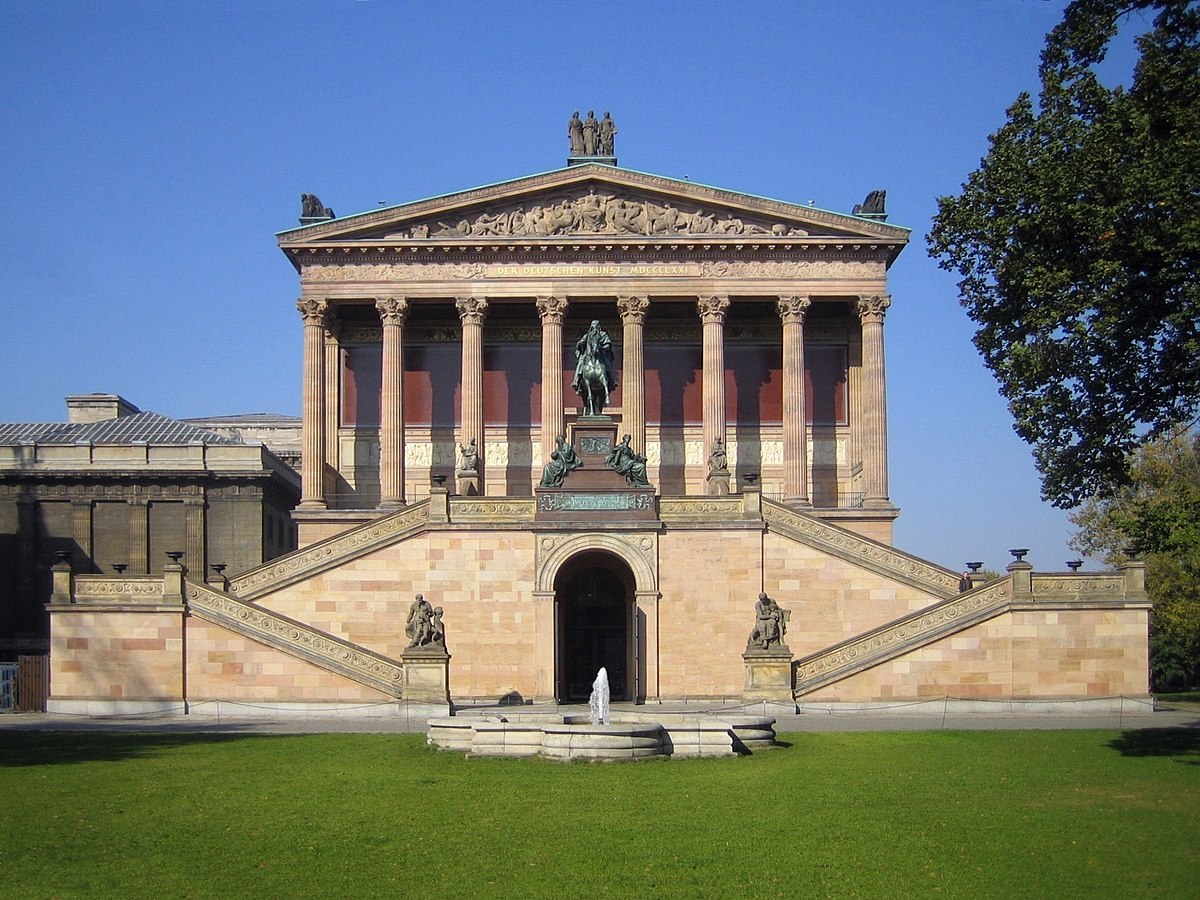
Alte Nationalgalerie
📍 Berlin, Germany
The Alte Nationalgalerie, an esteemed art museum located in Berlin’s Bezirk Mitte, is a cornerstone of cultural appreciation in Germany. This museum …