
Altes Land
Overview
Altes Land, located in northern Germany, is a remarkable cultural landscape that reflects the unique agricultural heritage and traditional practices of the region. Spanning the picturesque area around Lühe, this landscape is characterized by its lush orchards, historic farmhouses, and the scenic waterways that have shaped the lives of its inhabitants for centuries. Altes Land is particularly renowned for its apple orchards, which produce a variety of fruits that are celebrated in local festivals and markets.
This region not only showcases the beauty of its natural environment but also serves as a vital link to Germany’s agricultural past. The interwoven relationship between the land and its people is evident in the architecture and lifestyle that have evolved here, making Altes Land a significant site for those interested in cultural heritage and rural traditions. Visitors can expect to immerse themselves in a landscape that is both beautiful and steeped in the stories of generations who have cultivated this land.
History and Significance
The history of Altes Land is deeply intertwined with the development of agriculture in northern Germany. The landscape has been shaped over centuries by the practices of local farmers who have cultivated the fertile soil along the Elbe River. This area became particularly significant during the Middle Ages when extensive land reclamation projects transformed marshlands into arable fields, allowing for the growth of various crops, including grains and fruit.
The cultivation of apples began to gain prominence in the 17th century, which eventually led to Altes Land becoming one of the largest fruit-growing regions in Germany. The annual apple blossom festival attracts visitors from near and far, celebrating the agricultural traditions that have defined the area. The landscape itself is a living museum of farming techniques and practices, showcasing the harmony between human activity and the natural environment.
The architecture found in Altes Land further reflects its historical significance. Traditional farmhouses, often featuring timber framing and thatched roofs, line the landscape, telling the story of the region’s agrarian lifestyle. These structures not only serve functional purposes but also offer insight into the social and cultural fabric of the community.
Architecture and Features
The architectural landscape of Altes Land is a testament to traditional German rural design. Visitors will find a variety of historic farmhouses, many of which date back several centuries. These buildings are characterized by their distinctive timber-frame construction, which exemplifies the craftsmanship of bygone eras. The use of local materials is evident in the structures, harmonizing with the surrounding environment.
Notably, the thatched roofs that top many of these homes are not only aesthetically pleasing but also practical, providing insulation and protection against the elements. The farmhouses are often surrounded by orchards and gardens, further emphasizing the agricultural heritage of the area.
In addition to the traditional buildings, Altes Land is home to numerous canals and waterways that were established for irrigation purposes. These waterways not only support agriculture but also enhance the landscape’s visual appeal, creating a serene atmosphere for visitors. The interplay of water and land adds a unique dimension to the cultural landscape, making it an ideal spot for leisurely exploration.
Visiting Information
When planning a visit to Altes Land, travelers should consider the best modes of transport available. The region is easily accessible by car and is well-connected to nearby cities such as Hamburg. Public transportation options also exist, allowing visitors to reach the area without the need for a vehicle.
While exploring Altes Land, it is advisable to dedicate several hours to fully appreciate the landscape and its offerings. Check the official website for current information regarding hours and prices, as these may vary depending on the season and specific attractions within the region.
Visitors can expect a peaceful experience amidst the orchards and historic sites. The best times to visit are during the spring, when the apple blossoms are in full bloom, and during the autumn harvest season, when the orchards are vibrant with fruit. Each season offers a different perspective of the landscape, making it a year-round destination.
Nearby Attractions
Hamburg: A vibrant city with a rich maritime history, Hamburg offers numerous cultural attractions, including museums, theaters, and the historic Speicherstadt district.
Kehdingen: A neighboring region known for its unique landscape and outdoor activities, perfect for hiking and cycling enthusiasts.
Buxtehude: A charming town nearby, famous for its medieval architecture and the scenic Buxtehude town center, which features historic buildings and lovely canals.
Stade: Another nearby town with a rich history, Stade boasts a picturesque old town with timber-framed houses and a lively market square.
Elbe River: The river itself offers opportunities for boat tours and scenic walks along its banks, providing a different perspective of the cultural landscape.
Insider Tips
To capture the essence of Altes Land in photographs, early morning or late afternoon light is ideal. These times provide softer lighting, enhancing the natural colors of the orchards and landscapes. If you prefer a quieter experience, consider visiting during weekdays, as weekends can attract more visitors, especially during peak blossom and harvest seasons.
Finding the right spots for photography can be rewarding. Look for vantage points near waterways or under blooming trees to frame your shots beautifully. Remember to be respectful of private property and the natural environment while exploring.
Practical Information
When visiting Altes Land, comfortable clothing and sturdy walking shoes are recommended, especially if you plan to explore the orchards and rural paths. Depending on the season, visitors may want to bring layers, as the weather can vary.
Consider packing essentials like water and snacks, as options may be limited in more remote areas. Keep in mind that some attractions may have varying operating hours, so check the official website for the most up-to-date information.
Frequently Asked Questions
How long should I spend visiting?
A visit to Altes Land typically requires several hours. Plan for at least half a day to enjoy the scenery and explore the area.
Is photography allowed?
Yes, photography is generally allowed in Altes Land. However, be mindful of private property and always ask for permission if you’re unsure.
Are there guided tours?
Check the official website for information regarding guided tours in the area, as these may be offered by local organizations.
What’s the best time to visit?
The spring and autumn seasons are ideal for visiting Altes Land, particularly during the apple blossom period and the harvest season.
Is it wheelchair accessible?
Accessibility may vary by location within Altes Land. It’s best to check with specific attractions on their accessibility options.
Can I buy tickets online?
Check the official website for current information on ticket availability and purchasing options for any attractions you wish to visit.
Are there restrooms and cafes?
Facilities may be limited in some areas. It’s advisable to plan ahead and check for available amenities before your visit.
What should I wear?
Wear comfortable clothing suitable for walking and outdoor activities. Layering is recommended, as temperatures can change throughout the day.
Altes Land presents an enriching opportunity to engage with Germany’s agricultural heritage while enjoying a captivating landscape. Whether you’re an avid historian, a nature lover, or simply looking for a peaceful escape, this cultural landscape invites exploration and appreciation.
More in Lower Saxony

2000 Jahre Christentum
📍 Lower Saxony, Germany
The “2000 Jahre Christentum,” a prominent statue located in Brunswick, Germany, serves as a significant cultural landmark that reflects the rich …
A. Heucke
📍 Lower Saxony, Germany
A. Heucke, located in the historic town of Gatersleben in Germany’s Seeland region, represents a significant chapter in the story of industrial …

Aalto Theatre
📍 Lower Saxony, Germany
The Aalto Theatre in Essen, Germany, is a prominent cultural landmark that attracts both local and international visitors. Renowned for its …

Aasee
📍 Lower Saxony, Germany
Aasee is a picturesque lake located in the town of Ibbenbüren, Germany, serving as a popular destination for both locals and visitors alike. This …
Abgunst Mine
📍 Lower Saxony, Germany
Abgunst Mine, located in the industrial heart of Essen, Germany, is a significant heritage site that represents the country’s rich mining history. As …

Accumer Mühle
📍 Lower Saxony, Germany
Accumer Mühle is a captivating windmill located in Schortens, Germany, that showcases the remarkable engineering of traditional European mills. This …
More Cultural Landscapes

Altmark
📍 Brandenburg, Germany
The Altmark region, located in the northwestern part of Saxony-Anhalt, Germany, offers a unique glimpse into a cultural landscape shaped by centuries …
Annaberg-Frohnau Mining Landscape
📍 Bavaria, Germany
The Annaberg-Frohnau Mining Landscape, located in Germany, represents a significant chapter in the story of European industrial heritage. This …
Buchholz Mining Landscape
📍 Bavaria, Germany
The Buchholz Mining Landscape, located in Germany, is a remarkable cultural landscape that offers a glimpse into the historical significance of mining …
Dresden Elbe Valley
📍 Saxony, Germany
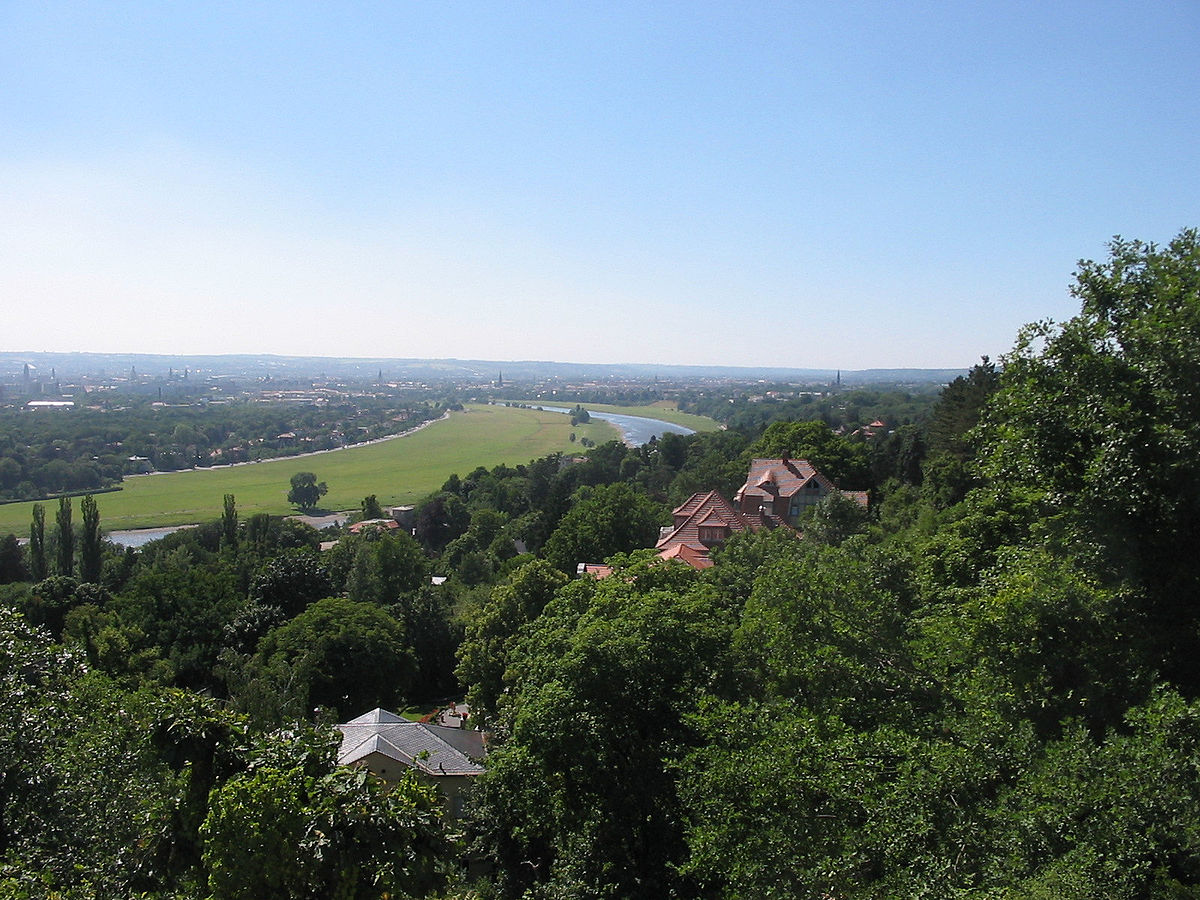
The Dresden Elbe Valley, a UNESCO World Heritage Site, is a cultural landscape that reflects the rich historical and artistic heritage of Saxony, …
Ehrenfriedersdorf Mining Landscape
📍 Saxony, Germany
The Ehrenfriedersdorf Mining Landscape, a significant cultural landscape in Germany, invites visitors to explore a rich history of mining that has …