Altes Brücktor
Overview
Altes Brücktor, once a prominent city gate in the heart of Magdeburg, carries with it the weight of a rich historical narrative intertwined with the development of one of Germany’s most significant cities. Although the original structure is no longer standing, its legacy remains a crucial part of Magdeburg’s urban landscape. Situated at the coordinates 52.1292, 11.6412, this site reflects the architectural and cultural evolution the city has undergone through the centuries.
Magdeburg, located along the banks of the Elbe River, has always been a vital hub for trade and culture due to its strategic position. The Altes Brücktor served not only as a protective entry point but also as a symbol of the city’s growth and resilience. Today, visitors can explore the remnants of this historic site and appreciate its significance in the broader context of Magdeburg’s urban development. Although the actual gate is not preserved, the area surrounding it offers insights into the city’s historical significance and its evolution over the years.
History and Significance
The Altes Brücktor played a crucial role in the defense and infrastructure of Magdeburg, serving as an entry point for merchants, residents, and visitors alike. Its historical importance is underscored by the gate’s association with the city’s growth during medieval times, when Magdeburg emerged as a center for commerce and culture in the region. The gate was part of the city’s fortifications, which were essential for protection against invasions and conflicts that marked various periods in European history.
The construction of city gates like Altes Brücktor was common in medieval European towns, reflecting the need for security and the organization of urban life. As cities expanded, gates became not only points of entry but also symbols of civic pride. They often housed facilities for customs duties and acted as gathering places for community events. In the case of Magdeburg, the Altes Brücktor symbolized the city’s strength and resilience in the face of challenges, including the Thirty Years’ War and other tumultuous periods.
Throughout its existence, the Altes Brücktor would have witnessed countless stories, from the daily lives of citizens to significant events that shaped the city’s history. While the gate itself may no longer exist, its cultural importance persists, reminding visitors of the dynamic and often turbulent history of Magdeburg.
Architecture and Features
Although the Altes Brücktor is not preserved, its architectural features would have reflected the typical style of city gates from its time. Such gates were often characterized by robust stonework, designed to withstand sieges and attacks. The structure would have included an arched entrance, allowing for the passage of pedestrians and vehicles, while thick walls would have provided security.
City gates often featured artistic elements or inscriptions, which served to communicate the identity and values of the city. It’s likely that the Altes Brücktor included decorative motifs or emblems representing Magdeburg’s heritage. The materials used in construction were typically local stone, contributing to both durability and the harmonious integration of the gate within the surrounding urban fabric.
Despite its absence, the location of Altes Brücktor provides a sense of the area’s historical significance. Visitors can envision the gate’s imposing structure and the role it played in controlling access to the city. The surrounding urban landscape continues to reflect the historical context in which the gate once stood, making it a valuable site for understanding Magdeburg’s architectural and cultural evolution.
Visiting Information
Visiting the site of Altes Brücktor offers a unique opportunity to engage with Magdeburg’s history, even in the absence of the original gate. While there are no specific opening hours or ticket prices associated with the site, it is advisable to check the official website for current information.
The area is easily accessible by public transport, with various bus and tram lines serving the vicinity. Visitors may consider walking or biking through the historic streets of Magdeburg to reach the site, as this allows for a more immersive experience of the city’s urban landscape.
Expect to spend around 30 minutes to an hour at the site, as there are no extensive exhibits or guided tours specifically dedicated to the Altes Brücktor. However, the surrounding area features informative plaques and offers a chance to reflect on the historical context. The best times to visit are during the spring and autumn when the weather is pleasant and suitable for exploring the area on foot.
Nearby Attractions
While visiting Altes Brücktor, consider exploring these nearby attractions that further enrich your experience in Magdeburg:
Magdeburg Cathedral: This stunning Gothic cathedral is one of the city’s most iconic landmarks, showcasing impressive architecture and a rich history.
Grüne Zitadelle (Green Citadel): Designed by the renowned artist Friedensreich Hundertwasser, this vibrant building is a cultural landmark and houses shops, a restaurant, and apartments.
Elbauenpark: A large park perfect for a leisurely stroll or picnic, featuring beautiful gardens, walking paths, and recreational areas.
Museum of Cultural History: Located nearby, this museum offers insights into the cultural evolution of Magdeburg and its surrounding regions.
The Old Market: A charming square that serves as a focal point for the city’s social life, surrounded by historic buildings and cafes.
Insider Tips
To enhance your visit to Altes Brücktor, consider these insider tips:
Photography: The site offers a range of angles for photography, particularly with the backdrop of the city’s architecture. Early morning or late afternoon light can provide excellent conditions for capturing the essence of the area.
Crowd Avoidance: To enjoy a more tranquil experience, visit during weekdays rather than weekends. Early morning or late afternoon is also ideal for fewer crowds.
Practical Information
When planning your visit to Altes Brücktor, here are some practical considerations:
What to Bring: Comfortable walking shoes are recommended, along with a camera for capturing the historic surroundings. A bottle of water and perhaps a light snack can enhance your visit, especially if you plan to explore the nearby attractions.
Seasonal Considerations: Be mindful of the weather, particularly in winter when temperatures can be quite low. Spring and autumn are ideal for a pleasant outdoor experience, while summer can be warmer and busier with tourists.
Frequently Asked Questions
How long should I spend visiting?
A visit to Altes Brücktor typically takes around 30 minutes to an hour, allowing time to reflect on the site and explore the surrounding area.
Is photography allowed?
Yes, photography is allowed at the site. Visitors are encouraged to capture the historical context and surrounding architecture.
Are there guided tours?
While there are no specific guided tours for Altes Brücktor, the area is often included in larger city tours that cover Magdeburg’s historical sites.
What’s the best time to visit?
The best times to visit are during spring and autumn when the weather is generally more pleasant for outdoor exploration.
Is it wheelchair accessible?
The site itself may have limitations regarding accessibility, but the surrounding area is generally navigable. It’s advisable to check local resources for more detailed accessibility options.
Can I buy tickets online?
There are no tickets required for visiting Altes Brücktor as the site is open to the public. However, check the official website for any special events or exhibitions that may require tickets.
Are there restrooms and cafes?
While there may not be facilities directly at the site, the nearby attractions typically offer restrooms and dining options.
What should I wear?
Dress comfortably and appropriately for the weather, especially if you plan to walk around the area. Comfortable shoes are recommended for exploring the city on foot.
In conclusion, while the Altes Brücktor no longer stands, its significance within the historical tapestry of Magdeburg remains. A visit to this site allows for a deeper understanding of the city’s past and an appreciation for its enduring legacy.
More in Brandenburg
Agnetenkloster
📍 Brandenburg, Germany
Agnetenkloster, a former monastery located in the heart of Magdeburg, Germany, invites visitors to explore its serene ambiance and historical …

Agroneum
📍 Brandenburg, Germany
Agroneum is a museum located in the serene landscape of Alt Schwerin, Germany. This establishment serves as a vibrant hub for those interested in the …

Alexander Nevsky Memorial Church
📍 Brandenburg, Germany
The Alexander Nevsky Memorial Church in Potsdam, Germany, offers visitors a unique glimpse into the city’s cultural and religious heritage. This …
Alexandrowka
📍 Brandenburg, Germany
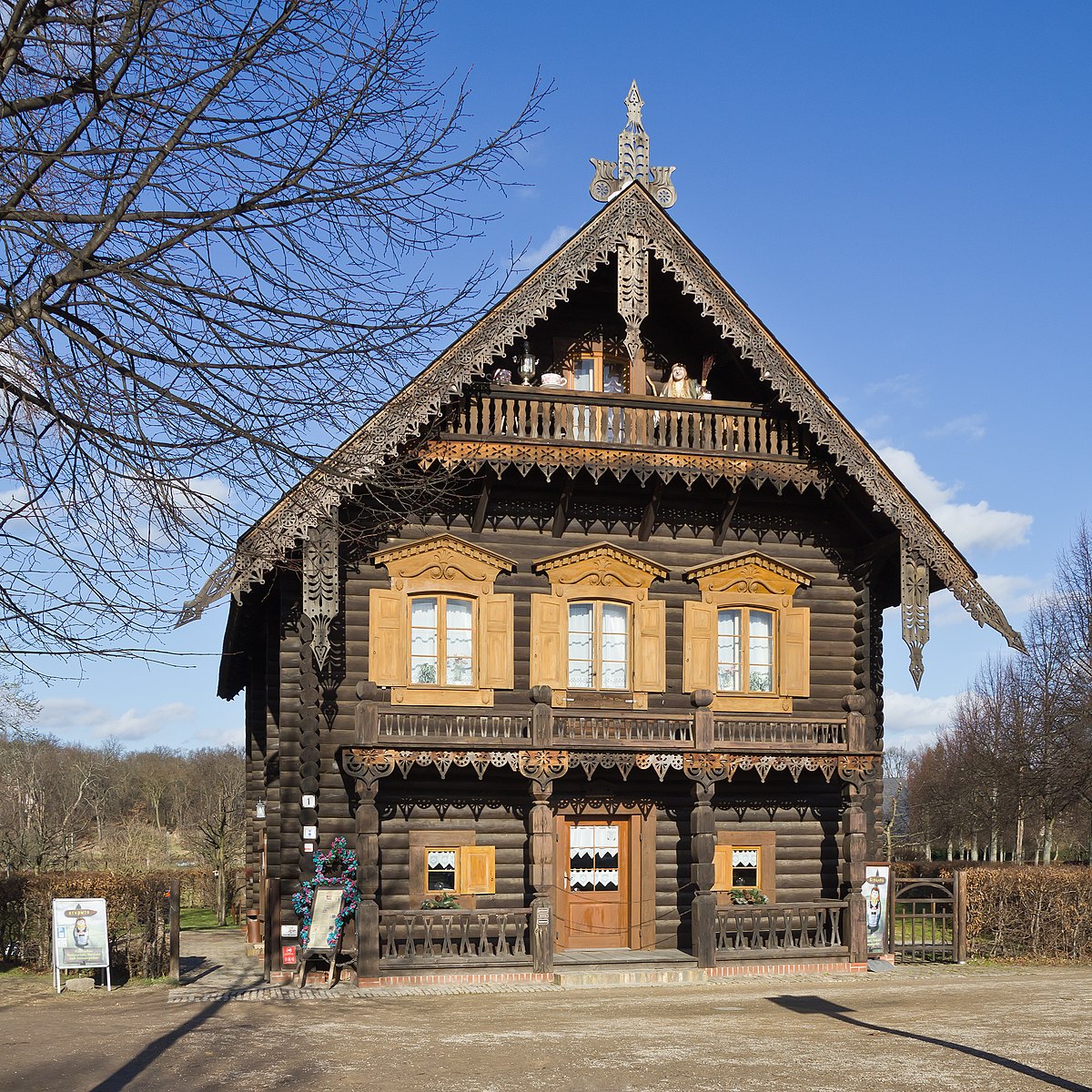
Located in the picturesque city of Potsdam, Germany, Alexandrowka is an intriguing architectural ensemble that reflects a unique blend of Russian and …

Alte Burg Penzlin
📍 Brandenburg, Germany
Alte Burg Penzlin, a captivating castle located in the quaint town of Penzlin, Germany, serves as a remarkable example of medieval architecture and …

Alte Dorfkirche Röxe
📍 Brandenburg, Germany
The Alte Dorfkirche Röxe stands as a poignant symbol of architectural and cultural history in the Stendal region of Germany. This church building, …
More City Gates

Adalbertstor
📍 North Rhine-Westphalia, Germany
Adalbertstor is a remarkable city gate located in Aachen, Germany, that plays a significant role in the architectural and historical landscape of the …
Affentor
📍 Hesse, Germany
Affentor, the southernmost of the medieval city gates of Frankfurt am Main, serves as a historical marker of the city’s rich past and architectural …

Angertor (München)
📍 Bavaria, Germany
The Angertor, an iconic city gate located in the historic Altstadt-Lehel district of Munich, serves as a striking reminder of the city’s medieval …

Anklam Gate of Usedom City
📍 Mecklenburg-Vorpommern, Germany
The Anklam Gate of Usedom City stands as a significant architectural feature within the historical landscape of Usedom, Germany. This city gate, a …

Anklamer Tor
📍 Mecklenburg-Vorpommern, Germany
The Anklamer Tor, a historic city gate located in the Friedland region of Germany, serves as a fascinating portal into the architectural and cultural …