
Alte Saline
Overview
In the picturesque town of Bad Reichenhall, Bavaria, the Alte Saline stands as a remarkable architectural ensemble that reflects the region’s historical and cultural significance. Known primarily for its salt production, Bad Reichenhall has been a center for salt mining since the Middle Ages, making the Alte Saline not only a key building but also a symbol of the town’s economic and social history. Today, visitors can explore this fascinating site, where the past intermingles with the present, offering insights into the traditional processes of salt extraction and the architectural styles of its time.
The unique location of the Alte Saline, situated amidst the scenic Bavarian Alps, adds to its allure. The surrounding landscape, characterized by lush greenery and dramatic mountain vistas, enhances the experience of those who come to delve into the history of salt production. The site serves as a reminder of the importance of salt not just as a resource, but as a cornerstone of trade and daily life in the region, fostering a sense of connection to both the local heritage and the natural environment.
For those seeking an enriching cultural experience, the Alte Saline promises a blend of history, architecture, and the natural beauty of Bavaria. This guide will provide you with essential information to make the most of your visit to this historical site.
History and Significance
The Alte Saline has its roots deeply embedded in the history of salt mining in the region, which dates back several centuries. Salt has played a vital role in the development of Bad Reichenhall, shaping its economy and community. The site served as the primary salt production facility for the town, facilitating not only local consumption but also trade with neighboring regions.
The cultural importance of the Alte Saline extends beyond its economic impact. The building represents a significant chapter in the architectural evolution of the area. Over the years, it has undergone various renovations and restorations, each reflecting the changing styles and needs of its time. The architectural ensemble showcases elements that highlight the technological advancements of salt production, as well as the artistry that went into its construction.
Moreover, the Alte Saline is not merely a historical site; it is a center for education and cultural events. Visitors often engage with exhibitions that detail the history and processes involved in salt extraction, providing a deeper understanding of its significance in Bavarian culture. The site serves as a platform for preserving and promoting the region’s heritage, making it a vital part of Bad Reichenhall’s identity.
As you explore the Alte Saline, you will gain insights into how this building and its surrounding facilities have influenced the lives of those in Bad Reichenhall. The blend of history, culture, and architecture makes it a compelling destination for those interested in Bavaria’s past.
Architecture and Features
The architectural ensemble of the Alte Saline is a striking example of the style and functionality typical of buildings associated with salt production. The structure is characterized by its robust construction, designed to accommodate the heavy machinery and processes involved in salt extraction. The use of local materials not only reflects the practical aspects of building but also harmonizes with the surrounding environment, showcasing the traditional craftsmanship of the region.
One notable feature of the Alte Saline is its large, open spaces that were once bustling with workers engaged in salt production. These areas are complemented by various smaller rooms that served specific functions, such as storage and processing. The design of the building allows for efficient workflow, illustrating the importance of organization in the salt production process.
Visitors will also notice decorative elements that speak to the historical significance of the site. Architectural details, such as intricate moldings and the use of natural light, enhance the overall aesthetic, creating an inviting atmosphere for exploration. The combination of functional design and artistic touches makes the Alte Saline an intriguing place to visit.
In addition to the main structure, the surrounding grounds may feature remnants of the original saltworks, providing context for the building’s purpose. The entire ensemble stands as a testament to the ingenuity and resilience of those who worked to harness the natural resources of the region.
Visiting Information
Visiting the Alte Saline is an enriching experience, offering insights into both the building’s historical significance and the broader context of salt production in Bavaria. To make the most of your visit, consider the following details:
Transport options to the Alte Saline are readily available through various means. Located in Bad Reichenhall, the site is accessible by car, with parking facilities nearby. Public transportation, including local buses and trains, connects Bad Reichenhall to larger cities, making it easy for visitors to reach the site.
Check the official website for current information regarding hours of operation and ticket prices, as these can vary seasonally. Typically, visitors should allocate a few hours to fully explore the site, including any exhibitions or guided tours that may be available.
The best times to visit the Alte Saline are during the spring and early autumn months when the weather is generally pleasant. This timing not only enhances the experience but also allows for exploration of the surrounding area.
During your visit, you can expect to engage with informative displays and possibly participate in guided tours that delve deeper into the history and significance of the site. The staff is often knowledgeable and can provide valuable insights that enrich your understanding of the Alte Saline and its role in the community.
Nearby Attractions
While visiting the Alte Saline, consider exploring other attractions in and around Bad Reichenhall to further enrich your experience:
Ruins of the Old Castle (Alte Burg): Just a short distance from the Alte Saline, these historic ruins offer stunning views of the town and an opportunity to learn about the region’s medieval history.
Therme Bad Reichenhall: This wellness center features thermal baths and spa facilities, perfect for relaxation after a day of exploration.
Predigtstuhl Cable Car: Experience the breathtaking landscapes of the Bavarian Alps with a ride on this cable car, which takes you to the summit of Mount Predigtstuhl for panoramic views.
St. Nikolaus Church: Located nearby, this church is known for its beautiful architecture and serene atmosphere, providing a peaceful place for reflection.
Heilbronn Waterfall: A short hike from the town center, this picturesque waterfall is a delightful spot for nature lovers and those looking to enjoy the outdoors.
Insider Tips
To enhance your visit to the Alte Saline, consider the following insider tips:
Photography: While capturing the beauty of the site, be mindful of any restrictions regarding photography, especially in exhibition areas. Early morning or late afternoon light can create stunning images of the architecture.
Crowd Avoidance: If you prefer a quieter experience, aim to visit during weekdays or outside of peak tourist seasons. This will allow you to explore the site without the hustle and bustle of larger crowds.
Practical Information
When planning your visit to the Alte Saline, keep these practical considerations in mind:
What to Bring: Comfortable walking shoes are recommended, as you may spend a good amount of time exploring both the interior and exterior of the site. A camera or smartphone for capturing moments is also a good idea.
Seasonal Considerations: Depending on the time of year, dress in layers to accommodate varying temperatures. If visiting during colder months, be prepared for potential snow in the surrounding areas.
Frequently Asked Questions
How long should I spend visiting?
Plan to spend around two to three hours at the Alte Saline to fully appreciate the site’s history, architecture, and exhibitions.
Is photography allowed?
Photography is generally permitted, but be sure to respect any specific restrictions, particularly in exhibition areas.
Are there guided tours?
Guided tours are often available, providing in-depth insights into the history and significance of the Alte Saline. Check the official website for details on tour availability.
What’s the best time to visit?
The best times to visit are during spring and early autumn when the weather is pleasant and conducive to exploration.
Is it wheelchair accessible?
Check the official website for current accessibility options, as the building’s historical nature may present challenges.
Can I buy tickets online?
Ticket purchasing options may vary, so it’s advisable to check the official website for the latest information on online ticket availability.
Are there restrooms and cafes?
Facilities such as restrooms may be available on-site. For dining options, explore nearby cafes and restaurants in Bad Reichenhall.
What should I wear?
Dress comfortably and in layers, especially if visiting during cooler months. Comfortable walking shoes are recommended for exploring the site and surrounding areas.
More in Bavaria

8. November 1939 (Denkmal)
📍 Bavaria, Germany
The 8. November 1939 (Denkmal) stands as a poignant monument in Munich, Germany, marking a significant moment in the nation’s history. Dedicated to …

Abbey of St. Nikola in Passau
📍 Bavaria, Germany
The Abbey of St. Nikola in Passau stands as a significant religious and cultural landmark in this historic German city. Located at coordinates …

Abensbergerdenkmal
📍 Bavaria, Germany
The Abensbergerdenkmal, a notable monument located in Freising, Upper Bavaria, Germany, serves as an evocative reminder of the region’s historical and …
Abrechen (München)
📍 Bavaria, Germany
Abrechen in München is a bridge that plays a significant role in the connectivity of this bustling German city. Located at coordinates 48.1357, …
Abschnittsbefestigung Andechs
📍 Bavaria, Germany
The Abschnittsbefestigung Andechs, a striking castle located in the scenic region of Andechs, Germany, offers a fascinating glimpse into the …
Abschnittsbefestigung im Taitinger Holz
📍 Bavaria, Germany
The Abschnittsbefestigung im Taitinger Holz represents an intriguing chapter in Germany’s medieval architectural narrative. Located in Bavaria, this …
More Architectural Ensembles

144., 176. und 184. Gemeindeschule
📍 Berlin, Germany
The 144., 176. und 184. Gemeindeschule, an architectural ensemble located in the vibrant city of Berlin, stands as a noteworthy example of educational …

Adelheidstraße 3–7, 9–12, 12a, 14, 15, 22–31, Amelungstraße 1, Friedrich-Ebert-Platz
📍 Lower Saxony, Germany
In the heart of Quedlinburg, Germany, lies a captivating architectural ensemble that reflects the town’s historical significance and cultural …

Aegidiimarkt
📍 Lower Saxony, Germany
Aegidiimarkt is a captivating architectural ensemble located in the heart of Münster, Germany. This vibrant square not only serves as a hub for local …
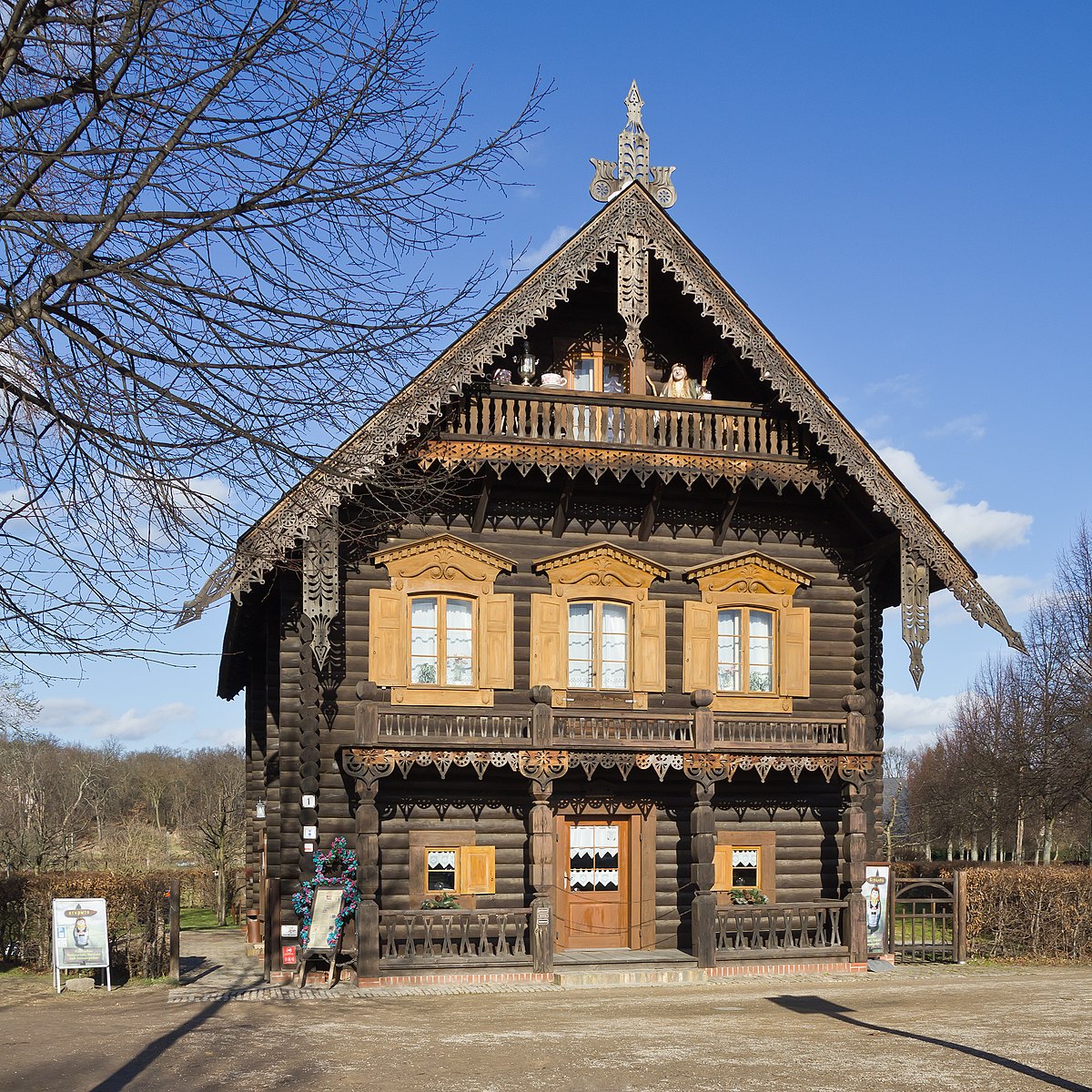
Alexandrowka
📍 Brandenburg, Germany
Located in the picturesque city of Potsdam, Germany, Alexandrowka is an intriguing architectural ensemble that reflects a unique blend of Russian and …

Alhauser Hammer
📍 North Rhine-Westphalia, Germany
Alhauser Hammer is a remarkable architectural ensemble located in Ennepetal, Germany, known for its historical significance as a water-driven hammer …

Alsdorfer Ölmühle
📍 North Rhine-Westphalia, Germany
The Alsdorfer Ölmühle, an architectural ensemble located in the heart of Alsdorf, Germany, is a remarkable example of a traditional watermill that …