
Alte Pinakothek
Overview
Located in the vibrant city of Munich, Germany, the Alte Pinakothek is a premier art museum that houses one of the most significant collections of European paintings in the world. As a cultural cornerstone of the city, it draws art enthusiasts from around the globe, eager to explore its vast array of masterpieces from the Middle Ages to the Rococo period. The museum offers a unique glimpse into the evolution of art, showcasing works by renowned artists such as Albrecht Dürer, Peter Paul Rubens, and Rembrandt. Visitors can anticipate an enriching experience that combines the allure of artistic genius with the historical context of each piece.
The museum’s central location in Munich makes it an easily accessible destination for both locals and tourists. As one of the three Pinakotheken in the city, the Alte Pinakothek stands alongside its modern counterparts, the Neue Pinakothek and Pinakothek der Moderne, forming a comprehensive art trail that highlights the evolution of artistic expression over centuries. Whether you are an art aficionado or a casual visitor, the Alte Pinakothek promises a captivating exploration of art history.
History and Significance
The Alte Pinakothek’s origins trace back to the 18th century, reflecting the ambitions of the Bavarian Electorate to create a public collection of art. Over the years, it has evolved into a vital institution for art preservation and education. The museum’s collection is particularly significant for its representation of the Northern Renaissance and Baroque periods, featuring works that have shaped the trajectory of European art.
Throughout its existence, the Alte Pinakothek has played a crucial role in the cultural and artistic development of Munich and beyond. It has served not only as a repository for significant artworks but also as a center for scholarly research and public engagement in the arts. The museum has undergone various renovations and expansions since its founding, adapting to the changing needs of art preservation and display. This ongoing commitment to maintaining the integrity and accessibility of its collection underscores the museum’s importance in the cultural landscape of Germany.
In addition to its impressive collection, the Alte Pinakothek has been a gathering place for artists, scholars, and the general public, fostering dialogues about art and its relevance in contemporary society. The museum’s educational programs and exhibitions have enabled it to maintain a dynamic relationship with the community, ensuring that art remains a living, evolving dialogue.
Architecture and Features
The Alte Pinakothek is an architectural landmark in its own right, characterized by its neoclassical façade designed by the architect Leo von Klenze. The museum’s exterior is marked by a grand entrance and a series of columns that evoke a sense of classical grandeur. Inside, the layout is thoughtfully designed to enhance the viewing experience, with spacious galleries that allow for the optimal display of artworks.
Notable features of the museum include its well-lit exhibition spaces, which are arranged thematically to guide visitors through different artistic movements and styles. The carefully curated collection spans several centuries, with a focus on European masters, allowing for an immersive experience as one navigates through the halls. The museum also houses a remarkable collection of Old Masters, which are integral to understanding the evolution of painting techniques and styles.
The interior design complements the artworks on display, with an emphasis on providing a serene atmosphere that encourages contemplation and appreciation of the pieces. The Alte Pinakothek’s commitment to preserving the integrity of its collection is evident in the careful attention to detail throughout the museum, from the lighting to the arrangement of the artworks.
Visiting Information
When planning a visit to the Alte Pinakothek, it’s essential to consider your transport options. The museum is conveniently located within walking distance of many of Munich’s central attractions and is easily accessible via public transportation. Various tram and bus lines service the area, making it straightforward for visitors to reach the museum.
For current information regarding hours of operation and ticket prices, check the official website. The museum tends to be less crowded during weekdays, making this an ideal time for those who prefer a more intimate experience with the artwork. Visitors typically spend anywhere from two to four hours exploring the galleries, depending on their interest level and pace.
The museum’s layout allows for a self-guided exploration, with informational plaques accompanying many of the works. Audio guides may also be available for those who wish to delve deeper into the history and significance of specific pieces.
As for the best times to visit, consider early morning during weekdays for a quieter experience. Additionally, special exhibitions may draw larger crowds, so keeping an eye on the museum’s schedule can help in planning your visit.
Nearby Attractions
After your visit to the Alte Pinakothek, take time to explore some of Munich’s other noteworthy attractions, all within a close radius:
Neue Pinakothek - Just a short walk away, this museum focuses on 19th-century art and offers a contrast to the classical works at the Alte Pinakothek.
Pinakothek der Moderne - This modern art museum showcases contemporary works and design, providing a comprehensive view of artistic progression.
Englischer Garten - One of the largest urban parks in the world, it offers beautiful walking paths, beer gardens, and a serene atmosphere to relax after a day of art.
Karlsplatz (Stachus) - A bustling square that serves as a gateway to the city center, featuring shops, cafes, and vibrant street life.
Munich Residenz - The former royal palace of the Bavarian monarchs, offering a glimpse into the opulence of royal life and a stunning collection of art and artifacts.
Insider Tips
To make the most of your visit to the Alte Pinakothek, consider the following insider tips:
- Photography: While photography may be allowed in certain areas, it’s advisable to check the specific regulations as some galleries may have restrictions.
- Crowd Avoidance: For a more peaceful experience, plan your visit during weekdays or during the early hours when the museum first opens. Special exhibitions can draw larger crowds, so it may be worth visiting during off-peak times.
- Engage with Audio Guides: If available, consider renting an audio guide to gain deeper insights into the artworks and their context.
Practical Information
When visiting the Alte Pinakothek, it’s wise to bring along a few essentials:
- Comfortable Shoes: Expect to do a fair amount of walking, so wear comfortable footwear to navigate the galleries.
- Water and Snacks: While there may be cafes nearby, having your own water bottle and light snacks can enhance your experience, especially if you plan to spend several hours exploring.
- Seasonal Considerations: Munich experiences a variety of weather conditions, so check the forecast and dress accordingly. The museum is a great indoor activity during colder months or rainy days.
Frequently Asked Questions
How long should I spend visiting?
Visitors typically spend between two to four hours at the Alte Pinakothek, depending on their interest in the various artworks.
Is photography allowed?
Photography policies can vary, so it’s best to check the museum’s guidelines upon arrival.
Are there guided tours?
Check the official website for information on guided tours and whether they are available during your visit.
What’s the best time to visit?
Weekdays, especially in the morning, are usually less crowded, making for a more enjoyable experience.
Is it wheelchair accessible?
The museum is designed to be accessible, but it’s advisable to check specific accessibility information on the official website.
Can I buy tickets online?
Check the official website for options regarding online ticket purchases.
Are there restrooms and cafes?
Yes, facilities are available within the museum, including restrooms and cafes for refreshments.
What should I wear?
Comfortable clothing and shoes are recommended, as you may be walking and standing for extended periods while exploring the galleries.
More in Bavaria

8. November 1939 (Denkmal)
📍 Bavaria, Germany
The 8. November 1939 (Denkmal) stands as a poignant monument in Munich, Germany, marking a significant moment in the nation’s history. Dedicated to …

Abbey of St. Nikola in Passau
📍 Bavaria, Germany
The Abbey of St. Nikola in Passau stands as a significant religious and cultural landmark in this historic German city. Located at coordinates …

Abensbergerdenkmal
📍 Bavaria, Germany
The Abensbergerdenkmal, a notable monument located in Freising, Upper Bavaria, Germany, serves as an evocative reminder of the region’s historical and …
Abrechen (München)
📍 Bavaria, Germany
Abrechen in München is a bridge that plays a significant role in the connectivity of this bustling German city. Located at coordinates 48.1357, …
Abschnittsbefestigung Andechs
📍 Bavaria, Germany
The Abschnittsbefestigung Andechs, a striking castle located in the scenic region of Andechs, Germany, offers a fascinating glimpse into the …
Abschnittsbefestigung im Taitinger Holz
📍 Bavaria, Germany
The Abschnittsbefestigung im Taitinger Holz represents an intriguing chapter in Germany’s medieval architectural narrative. Located in Bavaria, this …
More Art Museums

Aachen Cathedral Treasury
📍 North Rhine-Westphalia, Germany
Aachen Cathedral Treasury, located in the historic city of Aachen, Germany, is a remarkable art museum that houses an impressive collection of …

Abteiberg Museum
📍 North Rhine-Westphalia, Germany
In the heart of Mönchengladbach, Germany, the Abteiberg Museum stands out as a prominent destination for art enthusiasts and cultural explorers alike. …

Akademisches Kunstmuseum
📍 North Rhine-Westphalia, Germany
In the heart of Bonn, Germany, lies the Akademisches Kunstmuseum, an art museum that invites visitors to explore a diverse collection of artworks …

Albertinum
📍 Saxony, Germany
Albertinum is a prominent art museum located in the heart of Dresden, Germany, serving as a significant cultural institution in the region. …

Albrecht Dürer's House
📍 Bavaria, Germany
Albrecht Dürer’s House stands as a significant cultural landmark in Nuremberg, Germany, celebrating the life and work of one of the Renaissance’s most …
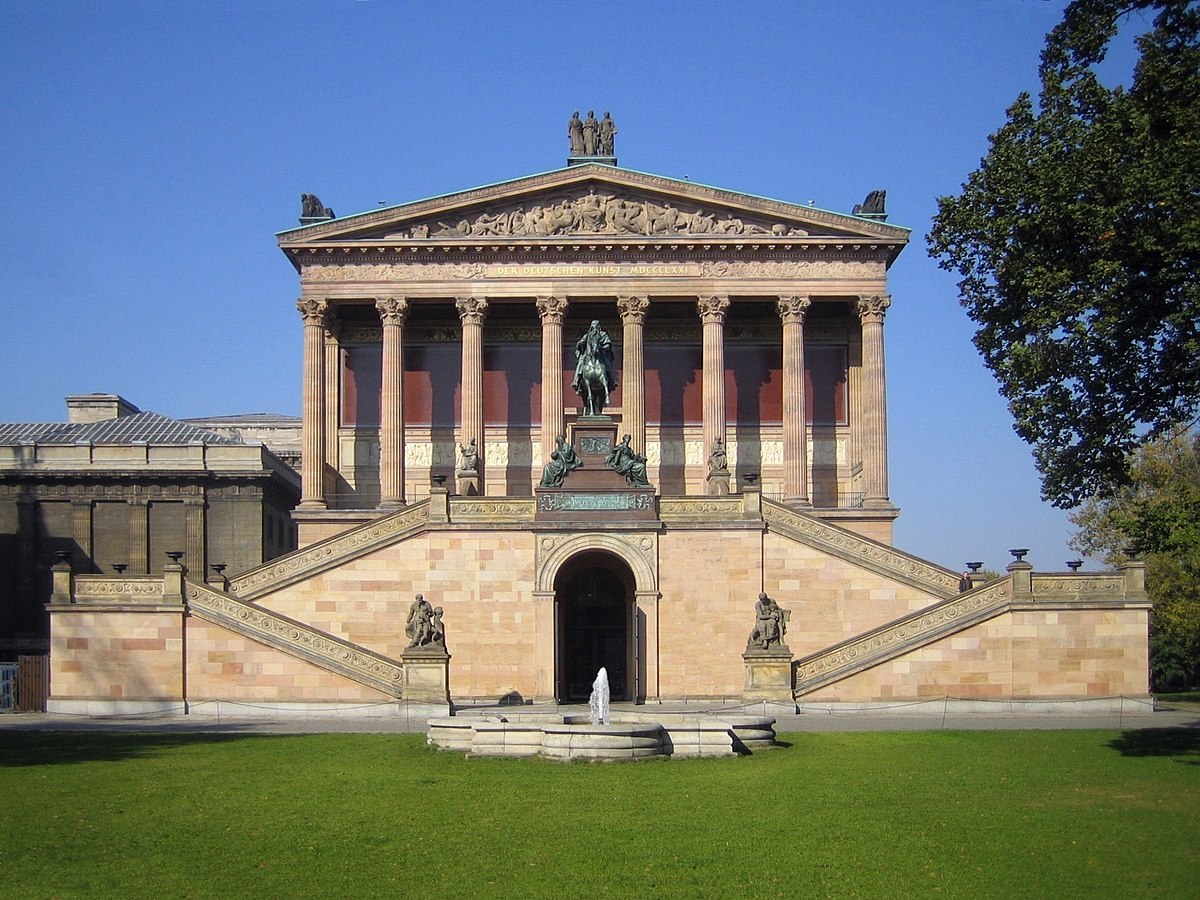
Alte Nationalgalerie
📍 Berlin, Germany
The Alte Nationalgalerie, an esteemed art museum located in Berlin’s Bezirk Mitte, is a cornerstone of cultural appreciation in Germany. This museum …