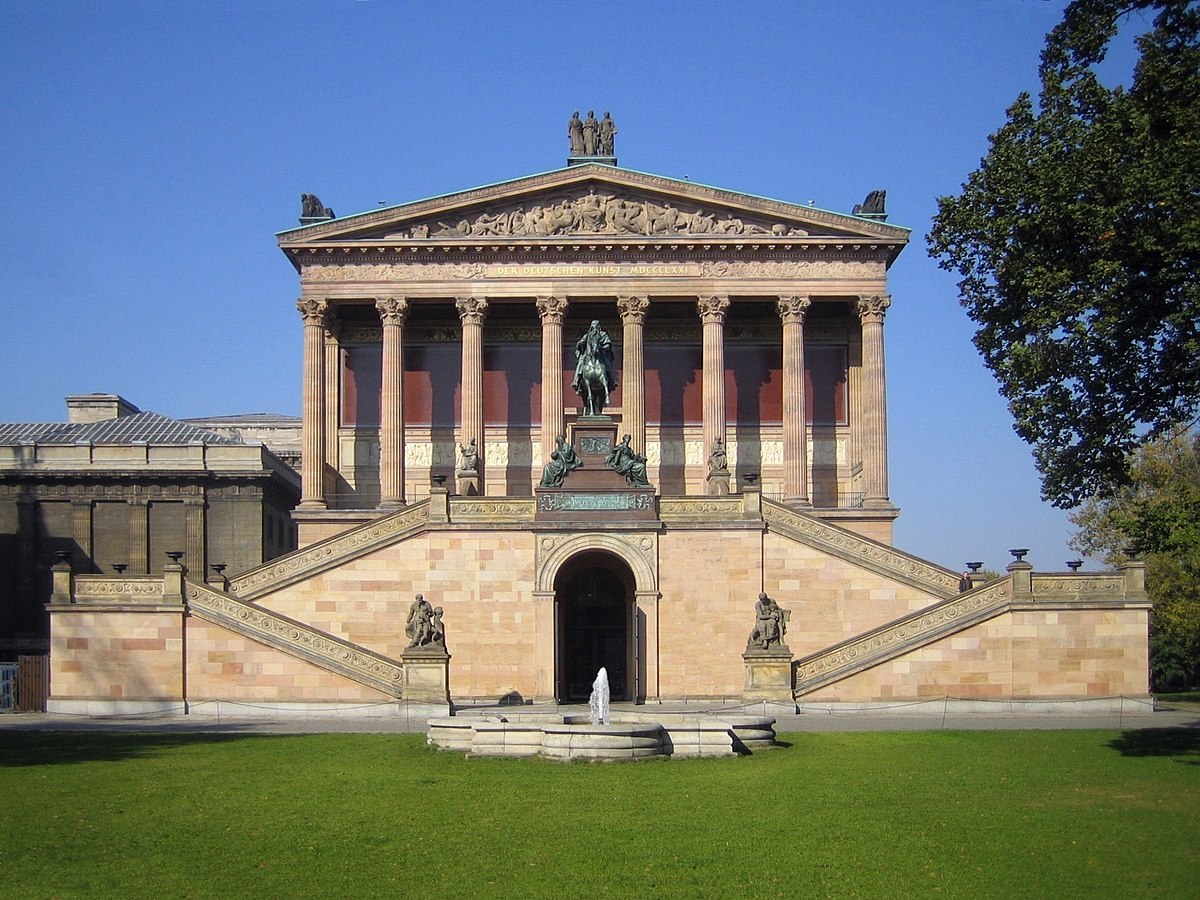
Alte Nationalgalerie
Overview
The Alte Nationalgalerie, an esteemed art museum located in Berlin’s Bezirk Mitte, is a cornerstone of cultural appreciation in Germany. This museum not only houses a remarkable collection of 19th-century art but also represents a significant historical narrative that reflects the evolution of artistic expression during this period. Visitors are drawn to its impressive array of works, which include masterpieces by renowned artists, making it a must-visit destination for art enthusiasts and casual visitors alike.
Situated in the heart of Berlin, the Alte Nationalgalerie offers a unique glimpse into Germany’s artistic heritage, set against the backdrop of a city that has undergone profound transformations over the decades. The museum’s significance extends beyond its collections; it embodies the resilience and creative spirit of a nation that has navigated through turbulent times.
As you step inside, prepare to encounter an environment that encourages exploration and appreciation of both classical and modern aesthetics. The Alte Nationalgalerie promises an enriching experience, inviting you to engage with art that has shaped cultural conversations for generations.
History and Significance
Founded in the mid-19th century, the Alte Nationalgalerie was established to house a collection that would represent the artistic achievements of Germany and its contributions to the broader European art scene. The museum’s inception was part of a larger movement to promote culture and education, reflecting the growing importance of the arts in society during that era.
Over the years, the Alte Nationalgalerie has played a pivotal role in preserving and showcasing German art, particularly from the Romantic, Impressionist, and early Modern periods. The collection includes works by important figures such as Caspar David Friedrich, Édouard Manet, and Claude Monet, among others. Each piece serves as a reflection not just of the artist’s intent, but also of the societal influences and historical contexts of the time.
The museum has faced its share of challenges, especially during the tumultuous periods of the 20th century, which saw significant upheaval in Germany. However, it has remained a vital institution for art preservation and education. The Alte Nationalgalerie’s commitment to fostering an appreciation for art continues to resonate with visitors, making it an integral part of Berlin’s cultural landscape.
Architecture and Features
The Alte Nationalgalerie is not only an art museum but also an architectural landmark. Designed by the architect Friedrich August Stüler, the museum’s neoclassical structure is characterized by its grand façade and impressive portico. The building itself is a work of art, reflecting the elegance and ambition of 19th-century architecture.
As you approach the museum, the imposing columns and steps invite you to explore the artistic treasures within. Once inside, visitors are greeted by a series of elegantly appointed galleries that showcase the museum’s diverse collection. The layout encourages a natural flow from one exhibition to another, allowing for a comprehensive experience of the artworks.
Notable features of the museum include its impressive skylights, which illuminate the galleries with natural light, enhancing the viewing experience. The interior design balances classic and modern elements, creating a harmonious environment that complements the art on display. The combination of architecture and art at the Alte Nationalgalerie invites contemplation and appreciation, making it a significant venue for artistic engagement.
Visiting Information
When planning a visit to the Alte Nationalgalerie, it’s essential to consider your travel options and the best times to explore the museum. Located in the bustling Bezirk Mitte, the museum is easily accessible via public transportation, including U-Bahn and S-Bahn services.
Check the official website for current information regarding hours and ticket prices to ensure a smooth visit. The museum typically encourages visitors to allocate a few hours to fully appreciate the collection, although time spent may vary based on individual interests.
To enhance your experience, aim to visit during the weekdays when crowds tend to be lighter. Early mornings or late afternoons are often ideal for those seeking a more intimate atmosphere. The museum may also host special exhibitions and events, so checking their calendar can enrich your visit.
Nearby Attractions
The Alte Nationalgalerie is surrounded by several notable attractions that can enhance your cultural excursion in Berlin.
Museum Island: A UNESCO World Heritage site, this area is home to several world-class museums, including the Pergamon Museum and the Bode Museum. Each offers unique collections that complement the artistic experience at the Alte Nationalgalerie.
Berlin Cathedral: Just a short walk away, this stunning cathedral features impressive architecture and offers visitors the chance to explore its majestic dome and crypt.
Berlin State Library: For those interested in literature and historical texts, this library is a treasure trove of knowledge, showcasing a vast collection of works.
Monbijou Park: A lovely green space nearby, perfect for relaxing after a museum visit. It often hosts events and provides a picturesque setting along the Spree River.
The Brandenburg Gate: A symbol of Berlin’s historical significance, this iconic landmark is only a short distance away and well worth a visit.
Insider Tips
To make the most of your visit to the Alte Nationalgalerie, consider these insider tips:
Photography: While photography may be allowed in certain areas, it is advisable to check specific rules within the museum to respect the artwork and other visitors.
Crowd Avoidance: Aim for weekday visits, particularly during early hours or late afternoons, to avoid larger crowds and enjoy a more tranquil experience.
Guided Tours: If you are interested in a more in-depth exploration, consider joining a guided tour. These often provide valuable insights into the artwork and the museum’s history.
Practical Information
Before heading to the Alte Nationalgalerie, here are some practical considerations:
What to Bring: A notebook or sketchbook can be helpful if you wish to jot down thoughts or ideas inspired by the art. Comfortable shoes are recommended, as you will likely walk extensively.
Seasonal Considerations: Berlin experiences a range of weather conditions, so check the forecast and dress appropriately for your visit. The museum is an indoor venue, making it a great option regardless of the weather.
Food and Drink: While the museum may have cafes or dining options, consider exploring nearby eateries to experience local cuisine.
Frequently Asked Questions
How long should I spend visiting?
The ideal visit duration is typically between two to three hours, allowing ample time to explore the exhibits.
Is photography allowed?
Photography policies may vary, so it’s best to check specific guidelines upon arrival.
Are there guided tours?
Yes, the museum often offers guided tours that provide deeper insights into the collection and its significance.
What’s the best time to visit?
Weekday mornings or late afternoons are generally less crowded, making for a more enjoyable experience.
Is it wheelchair accessible?
The museum is designed to be accessible, with facilities in place for visitors with mobility challenges.
Can I buy tickets online?
Check the official website for options to purchase tickets online ahead of your visit.
Are there restrooms and cafes?
The museum typically has restrooms available, and there may be a café for refreshments.
What should I wear?
Dress comfortably and consider layering, as indoor temperatures may vary.
The Alte Nationalgalerie, with its impressive collection and architectural beauty, offers a captivating experience for those looking to explore Berlin’s vibrant art scene. Plan your visit thoughtfully, and prepare to immerse yourself in the rich artistic heritage on display.
More in Berlin

144., 176. und 184. Gemeindeschule
📍 Berlin, Germany
The 144., 176. und 184. Gemeindeschule, an architectural ensemble located in the vibrant city of Berlin, stands as a noteworthy example of educational …

Academy of Arts (Hanseatenweg)
📍 Berlin, Germany
The Academy of Arts (Hanseatenweg) stands as an emblem of Berlin’s vibrant cultural landscape, located in the historic Hansaviertel district. Renowned …

Academy of Arts, Berlin
📍 Berlin, Germany
The Academy of Arts in Berlin is not just a museum; it is a prominent national institution dedicated to the advancement of the arts in Germany. …

Academy of the Konrad-Adenauer-Stiftung
📍 Berlin, Germany
The Academy of the Konrad-Adenauer-Stiftung, located in the heart of Berlin, is not just a foundation but a hub of intellectual discourse and …

ACUD
📍 Berlin, Germany
Located in the heart of Berlin’s Bezirk Mitte, ACUD serves as a vibrant cultural center and cinema, showcasing an array of films and events that …

Admiralspalast
📍 Berlin, Germany
Admiralspalast is a prominent theatre and event venue located in the heart of Berlin, Germany. This architectural gem serves as a cultural hub, …
More Art Museums

Aachen Cathedral Treasury
📍 North Rhine-Westphalia, Germany
Aachen Cathedral Treasury, located in the historic city of Aachen, Germany, is a remarkable art museum that houses an impressive collection of …

Abteiberg Museum
📍 North Rhine-Westphalia, Germany
In the heart of Mönchengladbach, Germany, the Abteiberg Museum stands out as a prominent destination for art enthusiasts and cultural explorers alike. …

Akademisches Kunstmuseum
📍 North Rhine-Westphalia, Germany
In the heart of Bonn, Germany, lies the Akademisches Kunstmuseum, an art museum that invites visitors to explore a diverse collection of artworks …

Albertinum
📍 Saxony, Germany
Albertinum is a prominent art museum located in the heart of Dresden, Germany, serving as a significant cultural institution in the region. …

Albrecht Dürer's House
📍 Bavaria, Germany
Albrecht Dürer’s House stands as a significant cultural landmark in Nuremberg, Germany, celebrating the life and work of one of the Renaissance’s most …