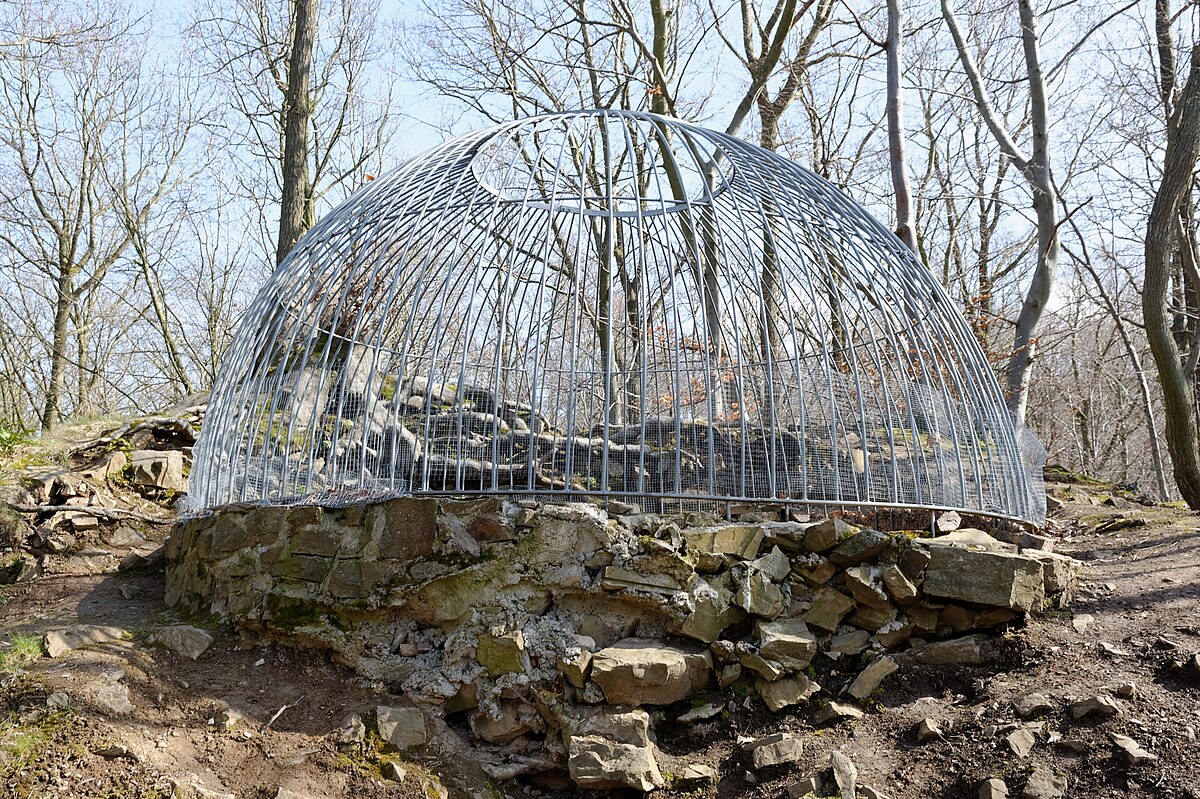
Alte Burg (Bad Münstereifel)
Overview
The Alte Burg, located in the charming town of Bad Münstereifel, Germany, is an evocative remnant of medieval architecture, offering visitors a glimpse into the storied past of the region. This castle stands as a significant landmark that reflects the historical development of Bad Münstereifel, a town renowned for its well-preserved old town and surrounding natural beauty. Positioned at coordinates 50.5585, 6.76948, the Alte Burg is not only a testament to ancient fortifications but also serves as a reminder of the strategic importance of castles in the defense and governance of territories throughout history.
Visitors to the Alte Burg can expect a site that combines historical intrigue with scenic surroundings. The castle is enveloped by lush greenery and rolling hills, providing an atmospheric backdrop for exploration and contemplation. As you approach the castle, its imposing structure evokes a sense of wonder, inviting you to uncover the stories it holds. The Alte Burg is not merely a historical site; it represents the enduring legacy of medieval governance and architecture, making it a worthwhile addition to any heritage travel itinerary.
History and Significance
The history of the Alte Burg is intertwined with the broader narrative of Bad Münstereifel, a town that flourished during the Middle Ages. While specific dates regarding its construction remain elusive, the castle’s origins likely stem from the defensive needs of the period when feudal lords established strongholds throughout the region. Such fortifications were vital for protection against invasions and played a crucial role in the administrative organization of medieval societies.
As a castle, Alte Burg would have served multiple functions: it was a residence for nobility, a military stronghold, and a center for local governance. The architectural design reflects the typical features of medieval castles, with thick walls and strategic placements meant for defense. The significance of the Alte Burg extends beyond its military use; it symbolizes the socio-political dynamics of the time, showcasing the power structures that shaped the lives of those in the surrounding areas.
The castle’s role in local history remains prominent, influencing the cultural identity of Bad Münstereifel. The site continues to attract interest not only for its architectural features but also for the stories of those who lived and worked within its walls. Engaging with the site allows visitors to appreciate the complexities of medieval life and the evolution of Bad Münstereifel over the centuries.
Architecture and Features
The Alte Burg is characterized by traditional medieval architectural elements that highlight its fortification purpose. The castle features robust stone walls, designed to withstand assaults and protect its inhabitants. Its strategic positioning on higher ground would have provided an advantageous view of the surrounding landscape, essential for spotting approaching threats.
Visitors will notice the remnants of towers, which served as lookout points and housed defensive mechanisms. The layout typically includes a central courtyard, where daily activities would have taken place, surrounded by living quarters and storage spaces. Such designs were crucial for the castle’s functionality as both a home and a stronghold.
While specific architectural details may not be readily available, the overall structure of Alte Burg is emblematic of the era’s defensive architecture. The castle’s enduring presence in the landscape speaks to the craftsmanship of medieval builders and their ability to create lasting structures that have withstood the test of time.
Visiting Information
When planning a visit to the Alte Burg, it is advisable to check the official website for current information regarding hours of operation and any potential admission fees. The castle is accessible from the center of Bad Münstereifel, making it easy to incorporate into a day of exploration. Visitors can enjoy a leisurely walk through the town to reach the site, taking in the beautiful architecture and vibrant atmosphere.
Expect to spend a couple of hours at the Alte Burg to fully appreciate its features and the surrounding areas. The best times to visit are during the spring and autumn months when the weather is pleasant, and the landscape is particularly inviting.
For those traveling by public transport, Bad Münstereifel is well-connected by regional transit options, providing convenient access to the castle. Parking facilities may also be available for those arriving by car, but it is advisable to check local regulations regarding parking.
Nearby Attractions
Bad Münstereifel Old Town: This area is known for its charming streets, half-timbered houses, and medieval market square, perfect for a leisurely stroll after visiting the castle.
St. Chrysanthus and Daria Church: A historic church located nearby, showcasing impressive architecture and art that reflects the town’s religious heritage.
Eifel National Park: A short distance from Bad Münstereifel, this expansive park offers stunning natural scenery, hiking trails, and opportunities for outdoor activities.
Kunsthaus Bad Münstereifel: An art gallery and cultural space that hosts exhibitions and events, providing insight into contemporary art in the region.
Schwammenauel Dam: This dam is not far from the town and is a beautiful place for nature enthusiasts, offering recreational activities such as hiking and fishing.
Insider Tips
For photography enthusiasts, the Alte Burg provides numerous opportunities to capture striking images. The best angles for photography can often be found from a distance, allowing for a full view of the castle against the backdrop of the landscape. Early morning or late afternoon light can enhance your photos, casting a warm glow on the stone walls.
To avoid larger crowds, consider visiting during weekdays or outside of peak tourist seasons. This can enhance your experience, allowing for quieter exploration of the site and its surroundings.
Practical Information
When visiting the Alte Burg, it is advisable to wear comfortable shoes, as the terrain can be uneven and involve some walking. Given the castle’s outdoor setting, be sure to check the weather forecast and dress accordingly, especially during colder months. Bringing water and light snacks can also enhance your visit, allowing for a relaxed experience while you explore.
Seasonal considerations are also essential; spring and summer are particularly pleasant for exploring outdoor sites, while autumn can offer beautiful foliage. Winter visits may provide a different charm, with fewer crowds, but be prepared for colder temperatures.
Frequently Asked Questions
How long should I spend visiting?
Plan to spend around two hours at the Alte Burg to fully appreciate the site and its surroundings.
Is photography allowed?
Yes, photography is allowed, and visitors are encouraged to capture the beauty of the castle and its environment.
Are there guided tours?
Check the official website for information on guided tours, as availability may vary.
What’s the best time to visit?
Spring and autumn are ideal for pleasant weather and fewer crowds.
Is it wheelchair accessible?
Accessibility information can vary; check the official website for specific details regarding wheelchair access.
Can I buy tickets online?
For current ticketing options, including online purchases, visit the official website.
Are there restrooms and cafes?
Facilities such as restrooms and nearby cafes may be available; check local resources for specifics.
What should I wear?
Dress comfortably and consider wearing sturdy shoes, especially if you plan to explore the terrain around the castle.
More in North Rhine-Westphalia

Aachen Cathedral
📍 North Rhine-Westphalia, Germany
Aachen Cathedral, a magnificent Roman-Catholic structure located in the historic city of Aachen, Germany, is a masterpiece of architectural design and …

Aachen Cathedral Treasury
📍 North Rhine-Westphalia, Germany
Aachen Cathedral Treasury, located in the historic city of Aachen, Germany, is a remarkable art museum that houses an impressive collection of …

Aachen Chapel of Hungary
📍 North Rhine-Westphalia, Germany
The Aachen Chapel of Hungary, a significant part of the Aachen Cathedral complex in Germany, serves as an emblem of the cultural exchange between …

Aachen-Rothe Erde station
📍 North Rhine-Westphalia, Germany
Aachen-Rothe Erde station serves as a crucial node in the intricate web of Germany’s railway network, located in the vibrant city of Aachen. This …

Aachener Tierpark Euregiozoo
📍 North Rhine-Westphalia, Germany
The Aachener Tierpark Euregiozoo, located in the heart of Aachen-Mitte, Germany, is a captivating destination for animal lovers and families alike. …

Abtei Mariendonk
📍 North Rhine-Westphalia, Germany
Abtei Mariendonk, a serene monastery located in the tranquil region of Grefrath, Germany, invites visitors to explore its spiritual and architectural …
More Castles
Abschnittsbefestigung Andechs
📍 Bavaria, Germany
The Abschnittsbefestigung Andechs, a striking castle located in the scenic region of Andechs, Germany, offers a fascinating glimpse into the …
Abschnittsbefestigung im Taitinger Holz
📍 Bavaria, Germany
The Abschnittsbefestigung im Taitinger Holz represents an intriguing chapter in Germany’s medieval architectural narrative. Located in Bavaria, this …
Abschnittsbefestigung in Burgholz (Türkenfeld)
📍 Bavaria, Germany
The Abschnittsbefestigung in Burgholz, located in the picturesque region of Türkenfeld, Germany, is a fascinating example of medieval military …

Abschnittsbefestigung Puch
📍 Bavaria, Germany
The Abschnittsbefestigung Puch is a remarkable castle located in the Fürstenfeldbruck region of Germany. This historical site offers visitors a …
Abschnittsbefestigung Rederzhausen
📍 Bavaria, Germany
Nestled in the heart of Bavaria, the Abschnittsbefestigung Rederzhausen is a remarkable representation of medieval military architecture. This castle, …

Abschnittsbefestigung Schorn
📍 Bavaria, Germany
The Abschnittsbefestigung Schorn is a striking castle located in Germany, offering visitors a glimpse into the architectural and cultural heritage of …