
Alhauser Hammer
Overview
Alhauser Hammer is a remarkable architectural ensemble located in Ennepetal, Germany, known for its historical significance as a water-driven hammer mill. This site stands as a testament to the region’s industrial heritage, reflecting the innovations of early manufacturing techniques. Visitors to Alhauser Hammer can explore its unique machinery and structures, which serve as a window into the past of iron production and craftsmanship in the area. The hammer mill is not just an industrial facility; it encapsulates a key part of Germany’s industrial narrative, showcasing how natural resources were harnessed for production.
Situated within the scenic landscapes of North Rhine-Westphalia, Alhauser Hammer is easily accessible and offers an enriching experience for history enthusiasts, architecture lovers, and anyone interested in the evolution of industrial practices. The site invites visitors to discover the intricacies of its design and operations while appreciating the beauty of its surroundings. A visit to Alhauser Hammer promises a blend of education and inspiration, making it a worthwhile stop for those exploring the industrial heritage of Germany.
History and Significance
The Alhauser Hammer is emblematic of the industrial revolution that swept through Europe, particularly in the 18th and 19th centuries. This architectural ensemble highlights the historical importance of water-driven machinery, which played a pivotal role in the advancement of manufacturing processes. The site showcases the ingenuity of early engineers who harnessed the power of water to operate machinery, which was essential for the production of iron and other materials.
Historically, the area surrounding Ennepetal has been significant for its natural resources, particularly iron ore and forests that provided the necessary timber for charcoal. This combination allowed for the establishment of various hammer mills, including Alhauser Hammer. The facility not only contributed to local economic development but also influenced the broader industrial landscape of the region.
The significance of Alhauser Hammer extends beyond its industrial function; it represents the cultural heritage of the region. Artisans and workers who operated the hammer mill contributed to the community’s development and identity. The site has been preserved to educate future generations about the importance of craftsmanship and the evolution of industrial technologies. Through exhibitions and educational programs, visitors can learn about the techniques used in iron production and the social history of the workers who once labored here.
Architecture and Features
Alhauser Hammer is an impressive example of industrial architecture from its era. The ensemble showcases a range of structures that are characteristic of a functional hammer mill, including the hammer building, waterwheel, and various auxiliary facilities. The water-driven mechanism is particularly noteworthy, illustrating the innovative engineering of the time.
The hammer mill is constructed using traditional materials such as stone and timber, combining functionality with aesthetic appeal. The main building features large openings that allowed for ventilation and the movement of materials, while the waterwheel, a central feature of the mill, is designed to harness the energy of flowing water efficiently. This architectural style not only served practical purposes but also reflects the craftsmanship that went into its construction.
Visitors can also observe the remnants of machinery that powered the production processes. The preserved equipment offers insight into the technological advancements that took place during the mill’s operational years. The layout of the site, with its interconnected structures and pathways, facilitates an understanding of how the hammer mill functioned as a cohesive unit, essential for the production of iron products.
Visiting Information
To visit Alhauser Hammer, travelers can use various modes of transportation to reach Ennepetal. The site is conveniently located in a region well-served by public transport, including trains and buses. Those traveling by car will find parking facilities nearby.
Check the official website for current information regarding opening hours and ticket prices, as these can vary throughout the year. Visitors typically spend around two to three hours exploring the site, allowing ample time to appreciate the exhibits and engage with the historical context of the hammer mill.
The best times to visit are during the spring and autumn months when the weather is pleasant for outdoor exploration. Special events and exhibitions may also be scheduled during these seasons, enhancing the visitor experience.
Nearby Attractions
Ennepetal Town Center: Just a short distance from Alhauser Hammer, the town center offers quaint shops, local cafes, and a glimpse into the daily life of the Ennepetal community.
Kaiserstraße: This historic street in Ennepetal features charming architecture and is ideal for a leisurely stroll while enjoying local culture.
Luhof Park: A nearby recreational area that provides walking trails and picnic spots, perfect for relaxing after a visit to Alhauser Hammer.
Museum of Industrial Culture: Located not far from Ennepetal, this museum delves deeper into the region’s industrial history and offers a broader context to the experiences at Alhauser Hammer.
Wuppertal Zoo: A little further afield, the Wuppertal Zoo provides a family-friendly outing, showcasing a variety of animal species and natural habitats.
Insider Tips
For photography enthusiasts, Alhauser Hammer offers numerous opportunities to capture the beauty of industrial architecture. Early morning or late afternoon light can provide striking contrasts and enhance the textures of the buildings. To avoid crowds, consider visiting on weekdays or during off-peak hours.
Be respectful of any restrictions regarding photography inside specific buildings or exhibits. Engaging with staff members can also provide insights into the best spots for capturing the essence of Alhauser Hammer.
Practical Information
When visiting Alhauser Hammer, it is advisable to wear comfortable clothing and sturdy footwear, as some areas may require walking on uneven surfaces. Bringing a reusable water bottle is recommended, especially during warmer months, to stay hydrated while exploring the site.
Seasonal considerations can impact your experience; spring and summer offer vibrant greenery, while autumn provides beautiful foliage. Winter may present chilly conditions, so dress appropriately if visiting during this season.
Check the official website for any specific recommendations regarding what to bring or seasonal activities that may be available during your visit.
Frequently Asked Questions
How long should I spend visiting?
Visitors typically spend two to three hours at Alhauser Hammer to fully appreciate the exhibits and history.
Is photography allowed?
Photography is generally permitted in outdoor areas, but check for specific restrictions within buildings or exhibits.
Are there guided tours?
Guided tours may be available; check the official website for details and to see if pre-booking is necessary.
What’s the best time to visit?
Spring and autumn are ideal for visiting due to pleasant weather and potential special events.
Is it wheelchair accessible?
Accessibility details can vary, so it’s best to check the official website for specific information about wheelchair access.
Can I buy tickets online?
Check the official website for current ticket purchase options, including online availability.
Are there restrooms and cafes?
Facilities may be available on-site; verify with the official website for the latest information on amenities.
What should I wear?
Dress comfortably and wear sturdy footwear suitable for walking around the site, especially if exploring outdoor areas.
More in North Rhine-Westphalia

Aachen Cathedral
📍 North Rhine-Westphalia, Germany
Aachen Cathedral, a magnificent Roman-Catholic structure located in the historic city of Aachen, Germany, is a masterpiece of architectural design and …

Aachen Cathedral Treasury
📍 North Rhine-Westphalia, Germany
Aachen Cathedral Treasury, located in the historic city of Aachen, Germany, is a remarkable art museum that houses an impressive collection of …

Aachen Chapel of Hungary
📍 North Rhine-Westphalia, Germany
The Aachen Chapel of Hungary, a significant part of the Aachen Cathedral complex in Germany, serves as an emblem of the cultural exchange between …

Aachen-Rothe Erde station
📍 North Rhine-Westphalia, Germany
Aachen-Rothe Erde station serves as a crucial node in the intricate web of Germany’s railway network, located in the vibrant city of Aachen. This …

Aachener Tierpark Euregiozoo
📍 North Rhine-Westphalia, Germany
The Aachener Tierpark Euregiozoo, located in the heart of Aachen-Mitte, Germany, is a captivating destination for animal lovers and families alike. …

Abtei Mariendonk
📍 North Rhine-Westphalia, Germany
Abtei Mariendonk, a serene monastery located in the tranquil region of Grefrath, Germany, invites visitors to explore its spiritual and architectural …
More Architectural Ensembles

144., 176. und 184. Gemeindeschule
📍 Berlin, Germany
The 144., 176. und 184. Gemeindeschule, an architectural ensemble located in the vibrant city of Berlin, stands as a noteworthy example of educational …

Adelheidstraße 3–7, 9–12, 12a, 14, 15, 22–31, Amelungstraße 1, Friedrich-Ebert-Platz
📍 Lower Saxony, Germany
In the heart of Quedlinburg, Germany, lies a captivating architectural ensemble that reflects the town’s historical significance and cultural …

Aegidiimarkt
📍 Lower Saxony, Germany
Aegidiimarkt is a captivating architectural ensemble located in the heart of Münster, Germany. This vibrant square not only serves as a hub for local …
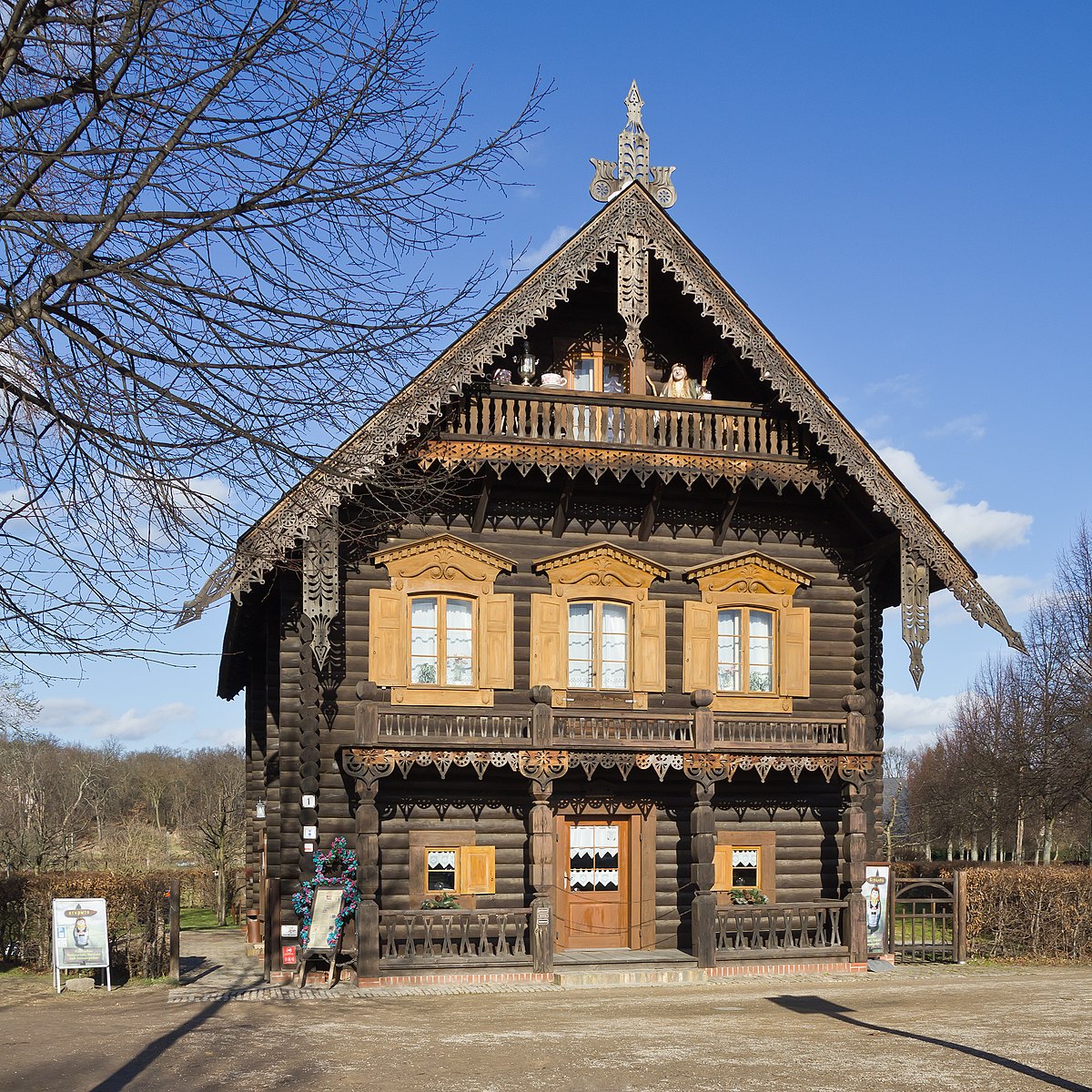
Alexandrowka
📍 Brandenburg, Germany
Located in the picturesque city of Potsdam, Germany, Alexandrowka is an intriguing architectural ensemble that reflects a unique blend of Russian and …

Alsdorfer Ölmühle
📍 North Rhine-Westphalia, Germany
The Alsdorfer Ölmühle, an architectural ensemble located in the heart of Alsdorf, Germany, is a remarkable example of a traditional watermill that …