
Alfred Wegener Institute for Polar and Marine Research
Overview
The Alfred Wegener Institute for Polar and Marine Research, located in Bremerhaven, Germany, stands as a cornerstone of scientific inquiry into the polar regions and marine environments. This distinguished German research institution is dedicated to advancing our understanding of these critical ecosystems, which are vital for global climate regulation and biodiversity. As the world grapples with climate change, the work conducted here is increasingly significant, offering insights that inform conservation efforts and policy-making.
The institute’s strategic location in Bremerhaven places it at the forefront of oceanographic research, given the city’s proximity to both the North Sea and the Arctic regions. The Alfred Wegener Institute not only serves as a hub for scientific research but also fosters international collaboration, enabling scientists from around the globe to engage in critical studies of polar and marine phenomena. Visitors to this institution can expect to learn about the latest advancements in climate science and marine research, emphasizing the urgent need for sustainable practices in these delicate environments.
History and Significance
Founded in honor of the pioneering meteorologist and geophysicist Alfred Wegener, the institute carries forward his legacy of exploration and scientific rigor. Wegener is best known for his theory of continental drift, a groundbreaking concept that laid the foundation for modern geology and earth sciences. The institute, established to further research in the polar regions and oceanography, has made significant contributions to our understanding of climate systems, glaciology, and marine biology.
Over the years, the Alfred Wegener Institute has played a crucial role in numerous international research projects, including extensive studies in the Arctic and Antarctic. These projects have yielded invaluable data on climate change, ice melt, and marine ecosystems, which are critical for predicting future environmental shifts. The institute’s findings have far-reaching implications not only for scientific communities but also for policy-makers and conservationists working to mitigate the effects of climate change.
The cultural importance of the Alfred Wegener Institute extends beyond its scientific contributions. It embodies a commitment to knowledge sharing and public engagement, inviting visitors and researchers alike to participate in discussions on pressing environmental issues. The institute’s focus on collaboration and education underscores its role as a leader in the field of polar and marine research.
Architecture and Features
The architectural design of the Alfred Wegener Institute reflects its modern scientific mission. The facility is characterized by contemporary structures that prioritize functionality and sustainability. While specific architectural details are not provided, the design typically incorporates elements that facilitate research activities, such as laboratories, offices, and collaborative spaces.
The institute is equipped with state-of-the-art technology and resources essential for conducting advanced scientific research. These features enable the scientists to engage in a variety of studies, from monitoring ocean currents to analyzing ice cores from polar regions. While the exterior may exhibit a modern aesthetic, the true essence of the institution lies within its commitment to advancing our understanding of the Earth’s polar and marine environments.
Visitors may find themselves immersed in an environment that not only fosters scientific exploration but also emphasizes the importance of environmental stewardship. Educational displays and informational materials highlight the ongoing research and findings, ensuring that the knowledge generated here is accessible to the public.
Visiting Information
Getting to the Alfred Wegener Institute is straightforward, with Bremerhaven being well-connected by public transport and road networks. Visitors can reach the institute via local buses or by car, making it accessible to those traveling from other parts of Germany or neighboring countries.
Check the official website for hours and prices, as these may vary seasonally or for special events. It is advisable to allocate a couple of hours for your visit to fully absorb the information presented and engage with any exhibitions or programs available at the time.
The best times to visit may align with specific public events or exhibitions that the institute hosts, providing a deeper insight into their research and findings. Visitors can expect to encounter informative displays, interactive exhibits, and possibly opportunities to engage with researchers.
Nearby Attractions
German Maritime Museum: This museum showcases the maritime history of Germany and offers fascinating exhibits on shipbuilding and naval exploration.
Zoo am Meer: A unique zoo that highlights marine and coastal animals, providing an engaging experience for families and wildlife enthusiasts.
Klimahaus Bremerhaven 8° Ost: An interactive science center that takes visitors on a journey through different climate zones of the world, emphasizing the global impact of climate change.
Bremerhaven’s Historic Port: Explore the historical significance of this port city with its waterfront attractions, restaurants, and shops.
Papenburg’s Meyer Werft: A short trip from Bremerhaven, this shipyard is renowned for its cruise ship construction and offers guided tours to learn about shipbuilding techniques.
Insider Tips
For photography enthusiasts, the institute’s exterior and its surrounding environment can provide interesting subjects. However, be mindful of any restrictions regarding photography inside the facility. To avoid crowds, consider visiting during weekdays or earlier in the day.
If you’re interested in particular exhibits or research topics, check the official website in advance to plan your visit accordingly. Engaging with staff members can also yield fascinating insights and enhance your experience.
Practical Information
When visiting the Alfred Wegener Institute, it’s advisable to bring a light jacket or layers, as research facilities can sometimes be cooler than expected. Comfortable walking shoes are recommended for exploring the surrounding area and nearby attractions.
Seasonal considerations may influence your visit, particularly if you aim to participate in outdoor activities or events related to marine research. Always check the official website for any seasonal programs or specific recommendations.
Frequently Asked Questions
How long should I spend visiting?
Visitors should plan to spend approximately 2-3 hours at the institute to fully explore the exhibits and engage with the available information.
Is photography allowed?
Photography policies may vary, so it is recommended to check with the staff regarding restrictions on taking photos inside the facility.
Are there guided tours?
The availability of guided tours may depend on the schedule and current offerings. Check the official website for information on tours and special events.
What’s the best time to visit?
Visiting during weekdays often results in fewer crowds. Additionally, align your visit with any special events or exhibitions for a richer experience.
Is it wheelchair accessible?
Most modern facilities, including the Alfred Wegener Institute, are designed to be accessible. However, it is advisable to check specific accessibility features on the official website.
Can I buy tickets online?
Check the official website for information on ticket purchasing options, as well as any special offers or discounts.
Are there restrooms and cafes?
Restroom facilities are typically available on-site. For dining options, check for any on-site cafés or nearby eateries.
What should I wear?
Dress comfortably and in layers, as research facilities can be cooler than expected. If you plan to explore the surrounding area, consider comfortable walking shoes.
More in Bremen

Achterdiekpark
📍 Bremen, Germany
Achterdiekpark, located in the peaceful district of Oberneuland, Germany, is a sanctuary for nature lovers and a welcome retreat from urban life. This …

Ahlen-Falkenberger Moor, Halemer/Dahlemer See
📍 Bremen, Germany
Ahlen-Falkenberger Moor, located in the Steinau region of Lower Saxony, Germany, is a remarkable nature reserve that showcases the region’s unique …

Ahlershorst
📍 Bremen, Germany
Ahlershorst is a captivating nature reserve located in Lower Saxony, Germany, specifically within the Geestland region. This expansive area serves as …

Alt-Leher Schule
📍 Bremen, Germany
In the heart of Bremerhaven, Germany, lies the Alt-Leher Schule, an architectural ensemble that encapsulates the history of educational architecture …

Am Stadtwaldsee (Uni-Wildnis)
📍 Bremen, Germany
Am Stadtwaldsee, known locally as Uni-Wildnis, is a captivating nature reserve located in Bremen, Germany. This serene expanse of land serves as a …
More Foundations

Academy of the Konrad-Adenauer-Stiftung
📍 Berlin, Germany
The Academy of the Konrad-Adenauer-Stiftung, located in the heart of Berlin, is not just a foundation but a hub of intellectual discourse and …

Akademie Schloss Solitude
📍 Baden-Württemberg, Germany
Akademie Schloss Solitude is a distinguished foundation located in Stuttgart, Germany, that serves as a cultural and artistic haven for individuals …
Alerds-Stiftung
📍 Lower Saxony, Germany
Alerds-Stiftung, located in the historic city of Brunswick, Germany, represents a significant cultural and philanthropic institution dedicated to …

Bavarian Elite-Academy
📍 Bavaria, Germany
The Bavarian Elite-Academy, located in the vibrant city of Munich, Germany, is a foundation dedicated to fostering excellence in various fields of …
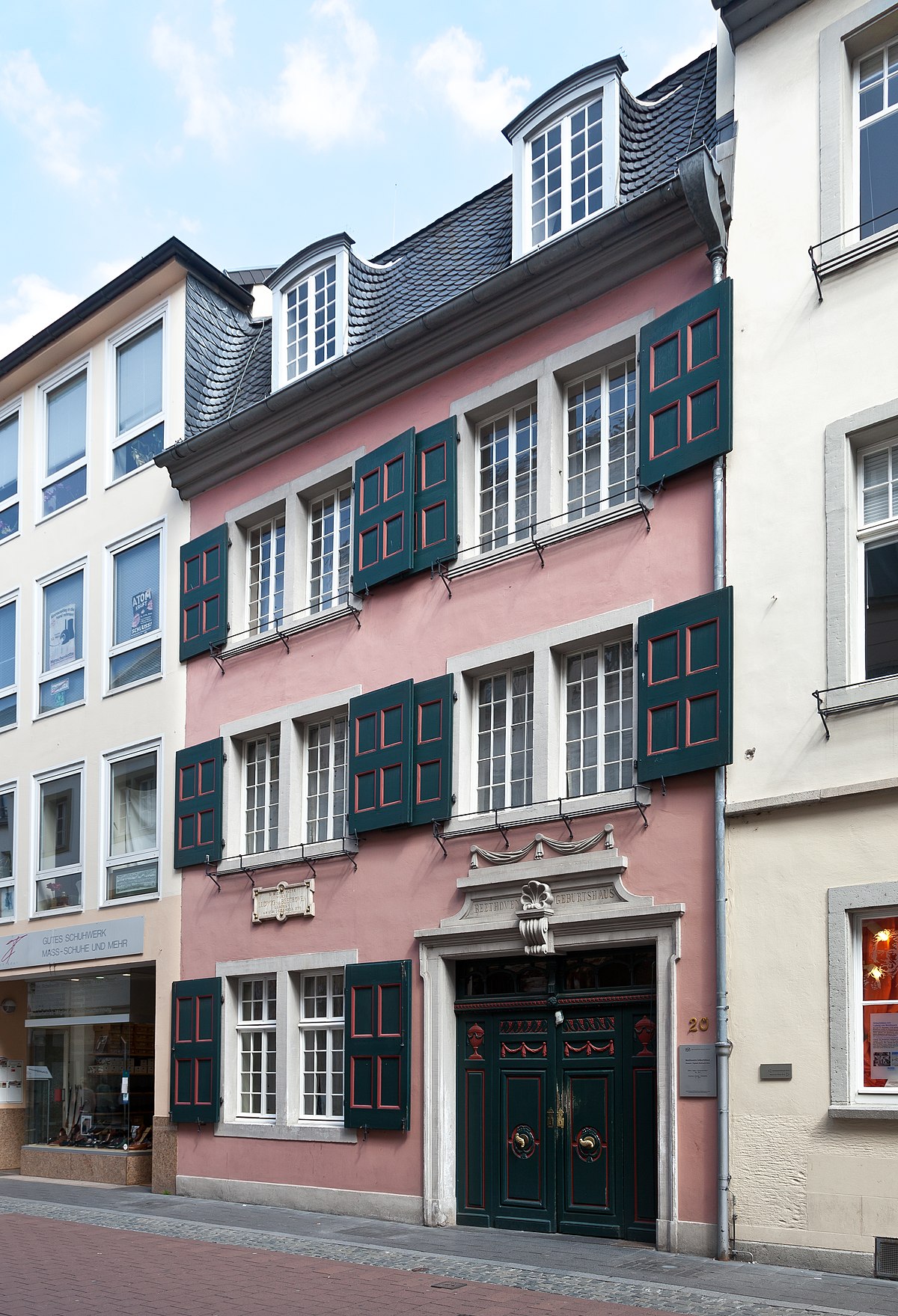
Beethoven House
📍 North Rhine-Westphalia, Germany
Beethoven House is a celebrated museum and the birthplace of Ludwig van Beethoven, one of the most influential composers in Western music history. …