Alexandrowka
Overview
Located in the picturesque city of Potsdam, Germany, Alexandrowka is an intriguing architectural ensemble that reflects a unique blend of Russian and German influences. Established in the early 19th century, this ensemble was originally built as a tribute to the close ties between Russia and Prussia, showcasing a distinctive architectural style that is both captivating and culturally significant. Visitors to Alexandrowka will find themselves immersed in a setting that not only highlights the artistry of its construction but also serves as a reminder of the enduring connections between nations.
As a UNESCO World Heritage site, Alexandrowka holds immense cultural importance, embodying the artistic and social history of the period in which it was created. The site is not merely an architectural feat; it is also a representation of the harmonious coexistence of different cultures and traditions. Those who explore Alexandrowka can expect to encounter a rich narrative woven into the very fabric of its buildings, gardens, and pathways, making it a must-visit destination for history buffs and architecture enthusiasts alike.
History and Significance
Alexandrowka was designed in the early 19th century, during a time when cultural exchanges between Russia and Prussia were flourishing. The ensemble was commissioned by King Frederick William III of Prussia as a gift to his wife, Queen Louise, who had a profound appreciation for Russian culture. This initiative was part of a broader movement to strengthen diplomatic ties and foster goodwill between the two nations.
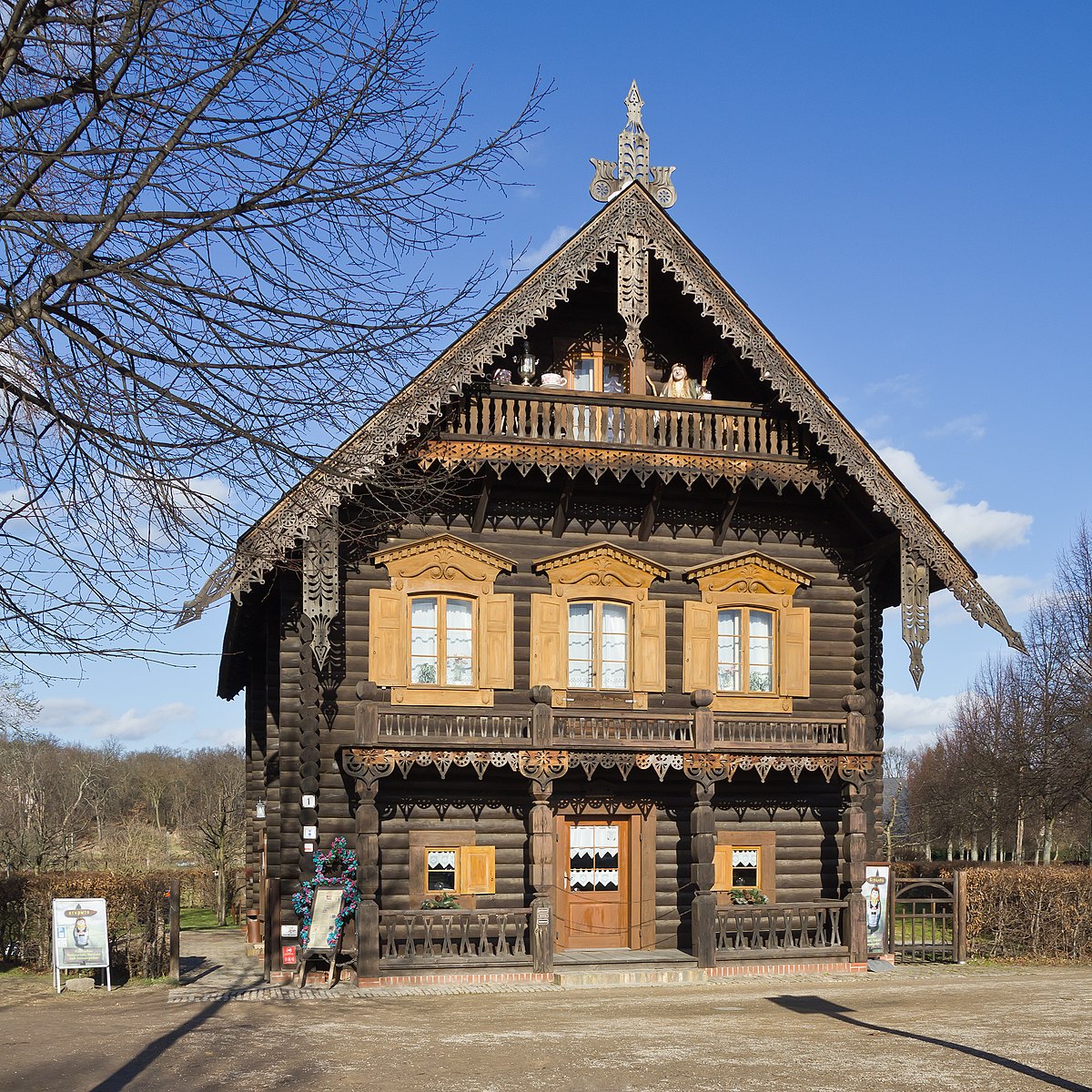
The architectural ensemble comprises several wooden houses, inspired by traditional Russian dacha styles, which were intended to evoke the charm of rural Russia. Alexandrowka served not only as a residence for Russian émigrés but also as a cultural hub, where various Russian traditions and customs could be preserved and celebrated. This cross-cultural exchange is integral to understanding the significance of Alexandrowka within the context of European history.
The site has witnessed numerous historical events and transformations, reflecting the changing social and political landscapes over the years. From its inception as a symbol of friendship to its current status as a cultural heritage site, Alexandrowka stands as a poignant reminder of the historical connections between nations and the enduring legacy of cultural dialogue.
Architecture and Features
Alexandrowka is characterized by its unique architectural style, which blends elements of Russian design with the sensibilities of German craftsmanship. The ensemble consists of several wooden houses, each showcasing distinct features that pay homage to traditional Russian architecture. The structures are typically adorned with ornate wooden carvings, sloping roofs, and colorful facades, creating a visually striking landscape against the backdrop of Potsdam’s greenery.
One of the most notable aspects of Alexandrowka is its meticulous attention to detail. The wooden houses are designed to reflect the warmth and charm of Russian country homes, with each building thoughtfully positioned to create an inviting and cohesive environment. The gardens surrounding the ensemble enhance its aesthetic appeal, providing spaces for reflection and leisurely walks.
In addition to the residential houses, the site includes a small Russian Orthodox chapel, which adds to the cultural richness of Alexandrowka. This chapel serves as a space for spiritual gatherings and reflects the religious traditions that have been an integral part of the Russian community in Potsdam.
The architectural ensemble at Alexandrowka not only stands out for its design but also for its cultural resonance, inviting visitors to appreciate the harmonious blend of Russian and German influences that define this remarkable site.
Visiting Information
Visiting Alexandrowka offers an enriching experience, allowing you to delve into the historical and cultural significance of this architectural ensemble. To reach Alexandrowka, travelers can utilize various modes of transportation available in Potsdam, including public transportation options like buses and trams, which conveniently connect to the site.
When planning your visit, it is advisable to check the official website for current information regarding hours of operation and admission prices. The site often hosts guided tours that provide deeper insights into the history and significance of Alexandrowka, enhancing the visitor experience.
Expect to spend a couple of hours exploring the grounds, soaking in the architectural beauty and tranquil gardens. The best times to visit are typically during spring and early autumn when the weather is pleasant and the gardens are in full bloom. These seasons not only offer an opportunity for comfortable exploration but also add to the visual splendor of the site.
As you wander through Alexandrowka, be prepared to embrace the peaceful atmosphere that envelops the ensemble, allowing yourself to fully appreciate the cultural and historical narratives embedded within its structures.
Nearby Attractions
While visiting Alexandrowka, there are several nearby attractions worth exploring:
Sanssouci Palace: A short distance away, this iconic palace is a UNESCO World Heritage site renowned for its stunning gardens and opulent architecture. It served as the summer residence of Frederick the Great and is a must-visit for history enthusiasts.
Potsdam’s Dutch Quarter: This charming area features Dutch-style buildings and quaint shops, providing a delightful contrast to Alexandrowka’s Russian influence. It’s perfect for a leisurely stroll and offers various cafes for a quick refreshment.
The New Palace: Located within the park of Sanssouci, this grand palace exemplifies Baroque architecture and houses an impressive collection of art and artifacts, making it an enriching stop for visitors.
The Filmpark Babelsberg: For those interested in cinema, this film studio and theme park offers an entertaining glimpse into the world of filmmaking, complete with live shows and behind-the-scenes tours.
Glienicke Bridge: Known as the “Bridge of Spies,” this historic bridge connects Potsdam to Berlin and is a significant landmark from the Cold War era, making it a poignant site for reflection on history.
Insider Tips
To make the most of your visit to Alexandrowka, consider the following insider tips:
Photography: The architectural details and gardens provide excellent photography opportunities. Early morning or late afternoon light can enhance your pictures, so aim for these times for the best results.
Crowd Avoidance: Weekdays tend to be less crowded than weekends, so if your schedule allows, visiting during the week can offer a more tranquil experience.
Guided Tours: If available, consider joining a guided tour to gain deeper insights into the history and architecture of Alexandrowka. Knowledgeable guides can provide anecdotes and context that enrich your understanding of the site.
Practical Information
When planning your visit to Alexandrowka, here are some practical considerations to keep in mind:
What to Bring: Comfortable walking shoes are recommended, as you will likely spend time exploring the grounds. A camera is also a must for capturing the beauty of the ensemble.
Seasonal Considerations: Spring and autumn are ideal times for visiting due to pleasant weather and the natural beauty of the gardens. Summer can attract larger crowds, while winter may limit access to certain areas.
Amenities: Check the official website for information regarding restrooms and nearby cafes, ensuring that you can plan your visit comfortably.
Frequently Asked Questions
How long should I spend visiting?
A visit to Alexandrowka typically takes about 2 to 3 hours, allowing ample time to explore the buildings and gardens.
Is photography allowed?
Yes, photography is generally allowed, but it’s advisable to be considerate of other visitors and any specific guidelines provided on-site.
Are there guided tours?
Guided tours may be available; check the official website for details on scheduling and availability.
What’s the best time to visit?
Spring and early autumn are typically the best times to visit, as the weather is pleasant and the gardens are vibrant.
Is it wheelchair accessible?
Accessibility details can vary; check the official website for the most current information regarding wheelchair access.
Can I buy tickets online?
Ticket purchasing options may be available online; check the official website for the latest information.
Are there restrooms and cafes?
You should verify the availability of restrooms and cafes on the official website to ensure a comfortable visit.
What should I wear?
Comfortable clothing and footwear are recommended, especially if you plan to explore the gardens and pathways.
With its unique cultural narrative and architectural beauty, Alexandrowka is a destination that invites exploration and appreciation. Whether you’re a history enthusiast or simply seeking a peaceful retreat, this architectural ensemble in Potsdam offers a memorable experience.
More in Brandenburg
Agnetenkloster
📍 Brandenburg, Germany
Agnetenkloster, a former monastery located in the heart of Magdeburg, Germany, invites visitors to explore its serene ambiance and historical …

Agroneum
📍 Brandenburg, Germany
Agroneum is a museum located in the serene landscape of Alt Schwerin, Germany. This establishment serves as a vibrant hub for those interested in the …

Alexander Nevsky Memorial Church
📍 Brandenburg, Germany
The Alexander Nevsky Memorial Church in Potsdam, Germany, offers visitors a unique glimpse into the city’s cultural and religious heritage. This …

Alte Burg Penzlin
📍 Brandenburg, Germany
Alte Burg Penzlin, a captivating castle located in the quaint town of Penzlin, Germany, serves as a remarkable example of medieval architecture and …

Alte Dorfkirche Röxe
📍 Brandenburg, Germany
The Alte Dorfkirche Röxe stands as a poignant symbol of architectural and cultural history in the Stendal region of Germany. This church building, …
More Architectural Ensembles

144., 176. und 184. Gemeindeschule
📍 Berlin, Germany
The 144., 176. und 184. Gemeindeschule, an architectural ensemble located in the vibrant city of Berlin, stands as a noteworthy example of educational …

Adelheidstraße 3–7, 9–12, 12a, 14, 15, 22–31, Amelungstraße 1, Friedrich-Ebert-Platz
📍 Lower Saxony, Germany
In the heart of Quedlinburg, Germany, lies a captivating architectural ensemble that reflects the town’s historical significance and cultural …

Aegidiimarkt
📍 Lower Saxony, Germany
Aegidiimarkt is a captivating architectural ensemble located in the heart of Münster, Germany. This vibrant square not only serves as a hub for local …

Alhauser Hammer
📍 North Rhine-Westphalia, Germany
Alhauser Hammer is a remarkable architectural ensemble located in Ennepetal, Germany, known for its historical significance as a water-driven hammer …

Alsdorfer Ölmühle
📍 North Rhine-Westphalia, Germany
The Alsdorfer Ölmühle, an architectural ensemble located in the heart of Alsdorf, Germany, is a remarkable example of a traditional watermill that …