Overview
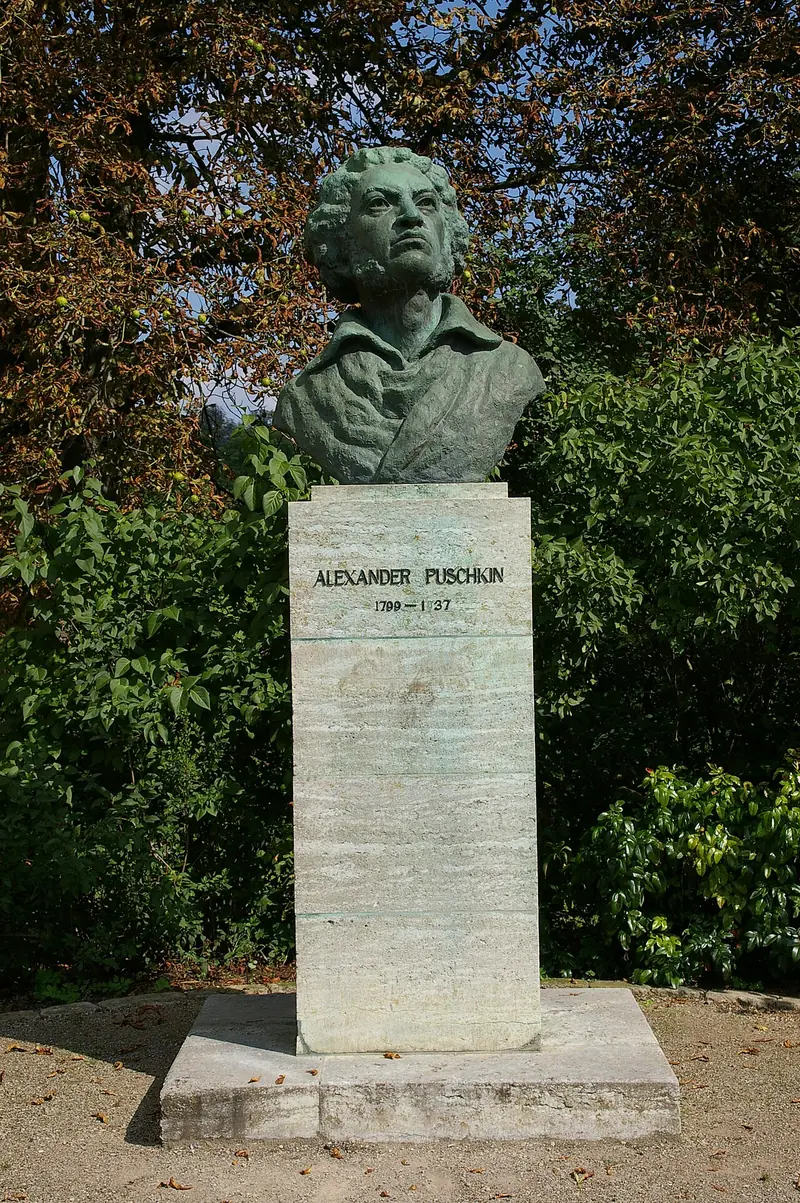
In the heart of Weimar, Germany, the Alexander Puschkin Monument stands as a tribute to one of the most celebrated figures in Russian literature. Erected to honor the legacy of the great poet and playwright, this monument not only commemorates Puschkin’s literary achievements but also reflects the enduring ties between Russia and Germany. The monument is located in a city renowned for its cultural heritage, having been home to influential thinkers and artists, and serves as a focal point for visitors interested in the intersections of literature and history. Weimar, with its rich artistic and philosophical backdrop, is the perfect setting for such a tribute, inviting exploration and reflection on Puschkin’s impact on world literature.
As you approach the monument, you are greeted by an atmosphere steeped in literary significance. The presence of Puschkin, often referred to as the father of modern Russian literature, resonates deeply in this cultural hub. Visitors will find themselves pondering the themes of love, freedom, and the human condition that permeate Puschkin’s work. Whether you are a literature enthusiast or a curious traveler, the Alexander Puschkin Monument promises to inspire and engage, offering a glimpse into the life of a literary giant and the cultural exchanges that shape our understanding of art and expression.
History and Significance
Alexander Sergeyevich Puschkin, born in 1799, is often regarded as the greatest Russian poet and the founder of modern Russian literature. His works have had a profound influence on generations of writers and poets, not only in Russia but across the globe. The monument dedicated to him in Weimar reflects the city’s commitment to celebrating literary figures who have contributed to the cultural dialogue between nations.
The choice of Weimar as the location for Puschkin’s memorial speaks volumes about the city’s historical connections to literature and philosophy. During the early 19th century, Weimar was a vibrant cultural center, attracting notable figures such as Johann Wolfgang von Goethe and Friedrich Schiller. These connections fostered a spirit of intellectual exchange that included Russian literature and its luminaries. The monument serves as a reminder of this shared cultural heritage.
While specific dates regarding the monument’s unveiling are not provided, it is clear that its existence signifies the appreciation for Puschkin’s contributions. The monument encapsulates not just a tribute to an individual but also symbolizes the broader cultural interactions between Germany and Russia. It stands as a bridge between two literary traditions, encouraging visitors to reflect on the universality of Puschkin’s themes and the ways in which literature transcends geographical boundaries.
Architecture and Features
The Alexander Puschkin Monument is thoughtfully designed, embodying an artistic representation of the poet himself. While details about the specific architectural style or materials used in the construction are not available, the monument likely features elements typical of commemorative sculptures, such as a statue of Puschkin in a contemplative pose, surrounded by inscriptions or decorative motifs that highlight his literary legacy.
The monument’s placement within a public space in Weimar adds to its accessibility and significance as a gathering point for both locals and tourists. Its design invites visitors to pause and reflect, creating a serene environment that encourages contemplation of Puschkin’s life and work. Visitors may find inscriptions or plaques that provide insights into Puschkin’s writings, enhancing the educational aspect of the monument.
As a memorial, the Alexander Puschkin Monument serves not only as an artistic tribute but also as a space for cultural reflection, where the legacy of one of Russia’s greatest literary figures continues to influence and inspire.
Visiting Information
Visiting the Alexander Puschkin Monument in Weimar is an enriching experience for anyone interested in literature and cultural history. The monument is situated in a prominent area, making it easily accessible by various modes of transportation. Travelers can reach Weimar by train or bus, with convenient connections from major cities in Germany. Once in Weimar, local public transportation or a leisurely walk can take you to the location of the monument.
Check the official website for current information regarding visiting hours and any potential entrance fees. While the monument itself is likely free to access, it’s advisable to verify any details related to special events or guided tours that may be available.
When planning your visit, consider allocating sufficient time to explore the surrounding area, as Weimar is home to numerous other attractions that complement the experience at the Puschkin Monument. The best times to visit are generally during the spring and summer months when the weather is pleasant, allowing for a more enjoyable exploration of the outdoor spaces.
Nearby Attractions
While visiting the Alexander Puschkin Monument, take the opportunity to explore some of Weimar’s other notable sites. Here are a few attractions nearby:
Goethe National Museum: Dedicated to the life and works of Johann Wolfgang von Goethe, this museum offers insights into his literary contributions and the cultural context of his time.
Schiller Museum: Another significant figure in German literature, Friedrich Schiller’s legacy is celebrated in this museum, which showcases his works and the impact he had on the cultural landscape.
Bauhaus Museum Weimar: This museum focuses on the Bauhaus movement, which originated in Weimar. It features exhibits on design, architecture, and the influential artists associated with the movement.
Park an der Ilm: A picturesque park that provides a peaceful retreat for visitors. It features beautiful landscapes, walking paths, and historical buildings, making it a perfect spot for relaxation.
Herzogin Anna Amalia Bibliothek: A UNESCO World Heritage site, this stunning library houses a vast collection of literary works and is a beautiful example of baroque architecture.
Insider Tips
To make the most of your visit to the Alexander Puschkin Monument, here are some useful insider tips:
Photography: The monument makes for a striking photograph, particularly during the golden hours of sunrise or sunset. Capture the monument from different angles to find the most appealing shot.
Crowd Avoidance: Visiting early in the morning or later in the afternoon can help you avoid peak tourist hours, allowing for a more intimate experience with the monument.
Combine Visits: Plan your itinerary to include nearby attractions, maximizing your cultural experience in Weimar. A walking tour of the area can be an excellent way to appreciate the city’s literary heritage.
Practical Information
When preparing for your visit to the Alexander Puschkin Monument, consider the following practical information:
What to Bring: Comfortable walking shoes are recommended, as exploring Weimar involves some walking. A camera, a notebook for jotting down reflections, and a bottle of water can enhance your experience.
Seasonal Considerations: The best time to visit is typically during the spring and summer, when the weather is more conducive to outdoor activities. However, the monument can be visited year-round, and each season offers a unique perspective on the surrounding landscape.
Frequently Asked Questions
How long should I spend visiting?
A visit to the Alexander Puschkin Monument can be completed in approximately 30 minutes to an hour, allowing time for reflection and photography. However, if you wish to explore nearby attractions, consider dedicating a few hours to the area.
Is photography allowed?
Yes, photography is generally allowed at the monument, making it a great opportunity to capture the essence of this literary tribute.
Are there guided tours?
While specific information about guided tours is not mentioned, it is advisable to check the official website for any organized tours or educational programs that may be available.
What’s the best time to visit?
The best times to visit are during the spring and summer months when the weather is pleasant, allowing for a more enjoyable experience.
Is it wheelchair accessible?
While specific accessibility information is not provided, many public monuments are designed to be accessible. It is recommended to check the official website for detailed accessibility options.
Can I buy tickets online?
As the monument itself is likely free to access, online ticket purchasing may not be necessary. For any special events or exhibitions, check the official website for details.
Are there restrooms and cafes?
Information regarding restrooms and cafes near the monument is not specified. It is advisable to explore nearby facilities in the city, as Weimar has a range of cafes and restaurants.
What should I wear?
Dress comfortably for walking and consider the weather conditions during your visit. Layers may be ideal, especially in transitional seasons.
In conclusion, the Alexander Puschkin Monument in Weimar offers a unique opportunity to engage with the legacy of one of literature’s greats. It invites visitors to reflect on the cultural exchanges that shape our understanding of art and humanity, nestled in a city that has long been a center of literary and philosophical thought.



