
Albrecht Dürer's House
Overview
Albrecht Dürer’s House stands as a significant cultural landmark in Nuremberg, Germany, celebrating the life and work of one of the Renaissance’s most influential artists. This well-preserved artist’s home, now transformed into an art museum, invites visitors to explore not only the artistry of Dürer but also the historical context in which he created his masterpieces. The house offers an immersive experience into the life of Dürer, showcasing his artistic evolution and contributions to the art world.
Located in the heart of Nuremberg, the house is a testament to the city’s rich artistic heritage and Dürer’s pivotal role in the Northern Renaissance. Visitors can expect to gain insight into the techniques and inspirations that shaped Dürer’s works, as well as an understanding of the broader cultural landscape of the time. The museum promises a thoughtful blend of artistic appreciation and historical exploration, making it a must-visit for art enthusiasts and history buffs alike.
History and Significance
Albrecht Dürer, born in 1471, was a pioneering figure in the Northern Renaissance, renowned for his detailed woodcuts, engravings, and paintings. Dürer’s House was constructed in the early 16th century and served as both his residence and workshop. It became a hub of artistic activity, where Dürer created some of his most famous works, including “Melencolia I” and “The Knight, Death, and the Devil.” The significance of this site lies not only in its connection to Dürer but also in its role as a center for artistic innovation during a transformative period in European art.
Dürer’s artistic contributions extended beyond his own creations; he was instrumental in bridging the gap between the Gothic tradition and the emerging styles of the Renaissance. His techniques, particularly in printmaking, set new standards and influenced generations of artists. The house itself reflects the architectural style of the period, showcasing the blend of medieval and Renaissance elements that characterized Nuremberg’s urban landscape.
Today, Albrecht Dürer’s House serves as a vital educational resource, offering exhibitions and programs that delve into Dürer’s legacy and the artistic practices of the Renaissance. The museum’s mission is to preserve and promote Dürer’s work, ensuring that his impact on art history is recognized and appreciated by future generations.
Architecture and Features
Albrecht Dürer’s House is an architectural embodiment of the late Gothic style, featuring distinctive wooden gables and intricate beam constructions. The house’s façade is characterized by its half-timbered appearance, which is typical of the time, and it stands out as an example of the domestic architecture that once populated Nuremberg’s streets.
Inside, visitors can explore various rooms that have been restored to reflect Dürer’s life and work environment. The layout includes a workshop space where Dürer would have crafted his art, complete with tools and materials that provide insight into his creative process. The museum also houses a collection of Dürer’s works, including prints and paintings, which are displayed alongside informative panels that describe his techniques and influences.
One of the notable features of the house is the garden, which has been designed to reflect the types of plants that would have been cultivated during Dürer’s time. This tranquil space not only enhances the aesthetic appeal of the museum but also serves as a reminder of the connection between art and nature in Dürer’s life and works.
Visiting Information
To visit Albrecht Dürer’s House, travelers can take advantage of Nuremberg’s efficient public transport system, including trams and buses that connect to various parts of the city. The museum is centrally located, making it easily accessible for those exploring the historic district.
Check the official website for current information regarding opening hours and ticket prices, as these can vary seasonally. A typical visit to the house may take around 1 to 2 hours, allowing ample time to explore the exhibits and engage with the educational materials provided.
The best times to visit are during weekdays, particularly in the early morning or late afternoon, when crowds tend to be smaller. This can enhance the experience, allowing for a more intimate appreciation of Dürer’s work and the museum’s offerings.
Nearby Attractions
While exploring Albrecht Dürer’s House, several nearby attractions can further enrich your visit to Nuremberg:
- Nuremberg Castle: A prominent historical site, this medieval fortress offers stunning views of the city and insight into Nuremberg’s role in German history.
- St. Lorenz Church: An impressive example of Gothic architecture, this church is renowned for its beautiful stained glass windows and intricate sculptures.
- Germanisches Nationalmuseum: The largest museum of cultural history in the German-speaking world, it houses a vast collection of artifacts, including those related to art and culture.
- Fleischbrücke: This historic bridge is not only an architectural marvel but also a picturesque spot to enjoy views of the river and surrounding buildings.
- Nuremberg’s Old Town: A stroll through the Old Town allows visitors to appreciate the city’s medieval charm, with its narrow streets, vibrant squares, and charming shops.
Insider Tips
For those wishing to capture the essence of Albrecht Dürer’s House through photography, consider visiting during off-peak hours when the light is soft and the crowds are minimal. The interior spaces, especially the workshop, can provide unique angles and details for compelling photographs.
To avoid the busiest times, plan your visit during weekdays or early in the morning. This not only enhances your experience but also allows for a more personal connection with the art and history presented within the museum.
Practical Information
When visiting Albrecht Dürer’s House, it’s advisable to bring a camera, as photography can enhance your experience. Comfortable walking shoes are recommended, as you will likely explore both the interior of the house and its surrounding areas.
Seasonal considerations may influence your visit; check the weather beforehand and dress accordingly. Nuremberg experiences a continental climate, with cold winters and warm summers, so layers are a good choice for year-round visitors.
Frequently Asked Questions
How long should I spend visiting?
A visit typically takes about 1 to 2 hours, allowing you to fully appreciate the exhibits and the ambiance of the house.
Is photography allowed?
Photography is generally permitted within the museum, but check for specific restrictions on certain exhibits or areas.
Are there guided tours?
Guided tours may be available; check the official website for details on scheduling and availability.
What’s the best time to visit?
Weekdays, especially early mornings or late afternoons, are ideal for avoiding crowds and enjoying a more personal experience.
Is it wheelchair accessible?
Accessibility options may be available; check the official website for specific information regarding wheelchair access.
Can I buy tickets online?
Online ticket purchasing options may be available; check the official website for current information.
Are there restrooms and cafes?
Typically, restrooms are available on-site, but options for cafes or dining nearby may vary.
What should I wear?
Dress comfortably and in layers, as interior temperatures may vary, and consider weather conditions if you plan to explore the surrounding area.
Visiting Albrecht Dürer’s House is an enriching experience that allows guests to connect with the legacy of one of history’s great artists, explore the intricacies of his work, and appreciate the cultural significance of Nuremberg itself.
More in Bavaria

8. November 1939 (Denkmal)
📍 Bavaria, Germany
The 8. November 1939 (Denkmal) stands as a poignant monument in Munich, Germany, marking a significant moment in the nation’s history. Dedicated to …

Abbey of St. Nikola in Passau
📍 Bavaria, Germany
The Abbey of St. Nikola in Passau stands as a significant religious and cultural landmark in this historic German city. Located at coordinates …

Abensbergerdenkmal
📍 Bavaria, Germany
The Abensbergerdenkmal, a notable monument located in Freising, Upper Bavaria, Germany, serves as an evocative reminder of the region’s historical and …
Abrechen (München)
📍 Bavaria, Germany
Abrechen in München is a bridge that plays a significant role in the connectivity of this bustling German city. Located at coordinates 48.1357, …
Abschnittsbefestigung Andechs
📍 Bavaria, Germany
The Abschnittsbefestigung Andechs, a striking castle located in the scenic region of Andechs, Germany, offers a fascinating glimpse into the …
Abschnittsbefestigung im Taitinger Holz
📍 Bavaria, Germany
The Abschnittsbefestigung im Taitinger Holz represents an intriguing chapter in Germany’s medieval architectural narrative. Located in Bavaria, this …
More Art Museums

Aachen Cathedral Treasury
📍 North Rhine-Westphalia, Germany
Aachen Cathedral Treasury, located in the historic city of Aachen, Germany, is a remarkable art museum that houses an impressive collection of …

Abteiberg Museum
📍 North Rhine-Westphalia, Germany
In the heart of Mönchengladbach, Germany, the Abteiberg Museum stands out as a prominent destination for art enthusiasts and cultural explorers alike. …

Akademisches Kunstmuseum
📍 North Rhine-Westphalia, Germany
In the heart of Bonn, Germany, lies the Akademisches Kunstmuseum, an art museum that invites visitors to explore a diverse collection of artworks …

Albertinum
📍 Saxony, Germany
Albertinum is a prominent art museum located in the heart of Dresden, Germany, serving as a significant cultural institution in the region. …
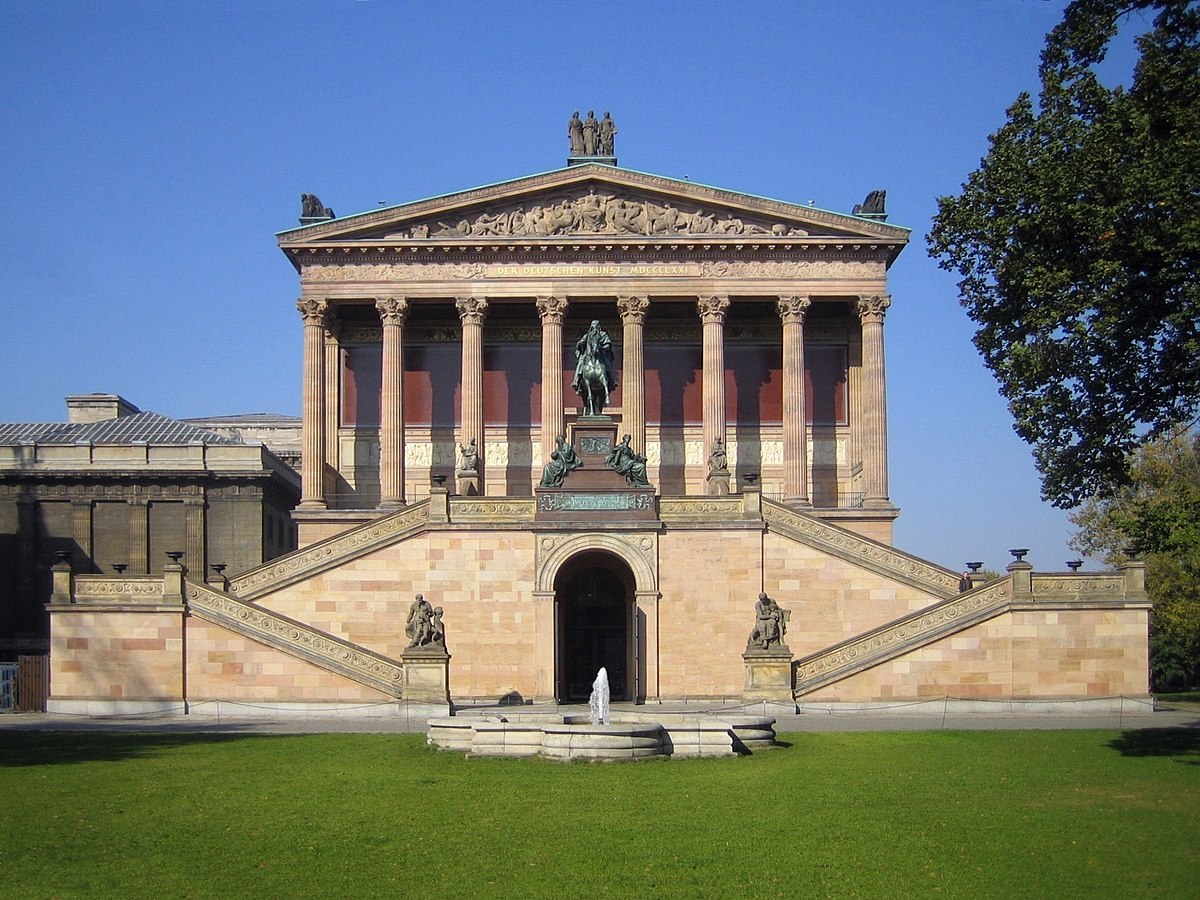
Alte Nationalgalerie
📍 Berlin, Germany
The Alte Nationalgalerie, an esteemed art museum located in Berlin’s Bezirk Mitte, is a cornerstone of cultural appreciation in Germany. This museum …