
Albertinum
Overview
Albertinum is a prominent art museum located in the heart of Dresden, Germany, serving as a significant cultural institution in the region. Established to house a collection of artworks, it has become an essential destination for art enthusiasts and tourists alike. The museum’s focus encompasses various art movements and styles, reflecting the artistic evolution of different periods. Visitors will find themselves immersed in a diverse array of exhibitions that showcase both classical and contemporary works.
Dresden, known for its stunning architecture and rich history, provides a fitting backdrop for Albertinum. Situated along the Elbe River, the museum is part of a larger cultural landscape that includes other significant heritage sites. As you explore the museum, you’ll not only appreciate the art on display but also the context of its location, which has endured both triumphs and tribulations throughout history.
Albertinum promises a unique experience for those seeking to engage with art and culture. From its carefully curated exhibitions to its role in the artistic narrative of Dresden, a visit here is sure to leave a lasting impression.
History and Significance
The history of Albertinum is intertwined with the cultural development of Dresden. Originally established to house the collections of the state art collections, the museum has undergone several transformations to adapt to the evolving landscape of art and culture. Throughout its existence, Albertinum has played a crucial role in preserving and showcasing significant artworks, making it an important institution for both local and international visitors.
The museum’s collection features works from various artistic movements, including Romanticism, Impressionism, and Modern art. This diverse range not only highlights the artistic trends of different eras but also reflects the broader socio-political changes that have shaped the region. The collection serves as a vital resource for understanding the artistic dialogue that has occurred over centuries.
In addition to its permanent collection, Albertinum frequently hosts temporary exhibitions, allowing for a dynamic presentation of art and the opportunity to engage with contemporary issues within the art world. This commitment to showcasing both historical and modern works enhances its significance as a cultural institution.
The museum’s prominent role in the cultural landscape of Dresden is further emphasized by its connections to other nearby institutions. The collaboration between Albertinum and other cultural entities fosters an environment where art and history can be appreciated holistically.
Architecture and Features
Albertinum exemplifies a blend of historical and modern architectural styles, which reflects the museum’s evolution over time. The structure itself has undergone renovations and expansions that have contributed to its current appearance. The museum’s design incorporates elements that harmonize with the surrounding urban landscape, creating a cohesive experience for visitors.
Inside, the layout of Albertinum is thoughtfully organized to facilitate the viewing of its diverse collection. The galleries are designed to showcase the artwork effectively, allowing for an intimate engagement with each piece. Natural light filters through large windows, enhancing the viewing experience and providing a vibrant atmosphere within the museum.
Notable features of Albertinum include its extensive galleries that house various art collections, as well as spaces dedicated to temporary exhibitions. The museum also offers facilities for educational programs and workshops, emphasizing its commitment to art education. The combination of innovative design and functional spaces enriches the overall experience for visitors, making it an inviting environment for exploration.
Visiting Information
Visiting Albertinum is an enriching experience, and planning ahead will enhance your trip. The museum is accessible via various modes of transportation within Dresden, including public transit options. Visitors can easily navigate the city to reach the museum, which is conveniently located within the cultural district.
To ensure a fulfilling visit, check the official website for current information regarding opening hours and ticket prices. While the duration of your stay may vary based on personal interests, most visitors find that a few hours is sufficient to explore the collection and engage with the exhibitions.
For those seeking a quieter experience, consider visiting during weekdays or in the early hours after opening. This can help avoid larger crowds, allowing for a more intimate connection with the artwork. Additionally, special events or exhibitions may attract more visitors, so planning your visit around these can enhance the overall experience.
As you explore Albertinum, prepare to engage with a variety of artistic expressions. The museum encourages visitors to take their time, allowing for moments of reflection and appreciation of the art on display.
Nearby Attractions
Dresden is home to numerous attractions that complement a visit to Albertinum. Here are a few notable sites to consider:
Dresden Castle: A short walk from Albertinum, this historic castle features a variety of museums and exhibitions, showcasing the opulent history of Saxony.
Zwinger Palace: Renowned for its stunning architecture and beautiful gardens, this palace houses extensive art collections, including works from the Old Masters.
Frauenkirche: This iconic church, a symbol of Dresden’s resilience, offers visitors a chance to admire its baroque architecture and learn about its restoration history.
Semper Opera House: An architectural masterpiece, the opera house presents a range of performances, making it a cultural hub in the city.
Brühl’s Terrace: Often referred to as the “Balcony of Europe,” this scenic promenade along the Elbe River provides a picturesque setting for leisurely strolls and views of the city.
Insider Tips
To make the most of your visit to Albertinum, consider these insider tips. For photography enthusiasts, be aware of the museum’s policies regarding photography. While some areas may permit it, always respect the guidelines to ensure the preservation of the artworks.
To avoid the crowds, plan your visit during off-peak hours, such as early mornings or late afternoons on weekdays. This not only enhances your experience but also allows for a more personal engagement with the art.
Lastly, take advantage of any available guided tours, which can provide deeper insights into the collections and the history of the museum. Engaging with knowledgeable guides can enhance your understanding and appreciation of the artworks on display.
Practical Information
When preparing for your visit to Albertinum, consider bringing essentials such as comfortable walking shoes, as you may spend considerable time exploring the galleries. Additionally, having a water bottle on hand can help you stay refreshed during your visit.
Seasonal considerations may also play a role in your experience. During warmer months, enjoying nearby outdoor attractions can be a delightful addition to your itinerary. Conversely, winter visits may offer a cozy atmosphere inside the museum, allowing for a more focused exploration of the art collections.
Check the official website for any specific recommendations or restrictions regarding what to bring, as these may vary.
Frequently Asked Questions
How long should I spend visiting?
Most visitors find that 2-3 hours is sufficient to appreciate the collections and exhibitions at Albertinum. However, art enthusiasts may wish to spend longer.
Is photography allowed?
Photography policies may vary by exhibition. Always check the guidelines upon arrival to ensure compliance.
Are there guided tours?
Yes, guided tours may be available. Check the official website for schedules and booking information.
What’s the best time to visit?
Visiting during weekdays, particularly in the early morning or late afternoon, can help avoid large crowds.
Is it wheelchair accessible?
Albertinum is designed to be accessible, but it is advisable to check specific accessibility features on the official website.
Can I buy tickets online?
Ticket purchasing options may be available online. Check the official website for current information.
Are there restrooms and cafes?
Facilities such as restrooms and cafes are typically available within the museum. Refer to the official website for specific details.
What should I wear?
Dress comfortably, especially if you plan to spend extended periods walking through the galleries. Weather-appropriate attire is recommended based on the season.
More in Saxony

6. Grundschule "Am Großen Garten"
📍 Saxony, Germany
The 6. Grundschule “Am Großen Garten” stands as a significant educational institution in Dresden, Germany, embodying the principles of early childhood …

All Saints Church, Dresden
📍 Saxony, Germany
All Saints Church, located in the vibrant city of Dresden, Germany, is a remarkable church building that captures the essence of the region’s …

Altarstein (Saxon Switzerland)
📍 Saxony, Germany
Altarstein, located in the picturesque region of Saxon Switzerland, Germany, is a captivating monument that draws visitors into its historical …

Alte Nikolaischule (Leipzig)
📍 Saxony, Germany
Alte Nikolaischule, located in the heart of Leipzig, Germany, is a significant educational institution with a rich heritage. Founded as a school, it …
Alte Schulbrücke Oberbobritzsch
📍 Saxony, Germany
The Alte Schulbrücke Oberbobritzsch is a striking bridge situated in the Bobritzsch-Hilbersdorf region of Germany. This structure serves not only as a …
More Art Museums

Aachen Cathedral Treasury
📍 North Rhine-Westphalia, Germany
Aachen Cathedral Treasury, located in the historic city of Aachen, Germany, is a remarkable art museum that houses an impressive collection of …

Abteiberg Museum
📍 North Rhine-Westphalia, Germany
In the heart of Mönchengladbach, Germany, the Abteiberg Museum stands out as a prominent destination for art enthusiasts and cultural explorers alike. …

Akademisches Kunstmuseum
📍 North Rhine-Westphalia, Germany
In the heart of Bonn, Germany, lies the Akademisches Kunstmuseum, an art museum that invites visitors to explore a diverse collection of artworks …

Albrecht Dürer's House
📍 Bavaria, Germany
Albrecht Dürer’s House stands as a significant cultural landmark in Nuremberg, Germany, celebrating the life and work of one of the Renaissance’s most …
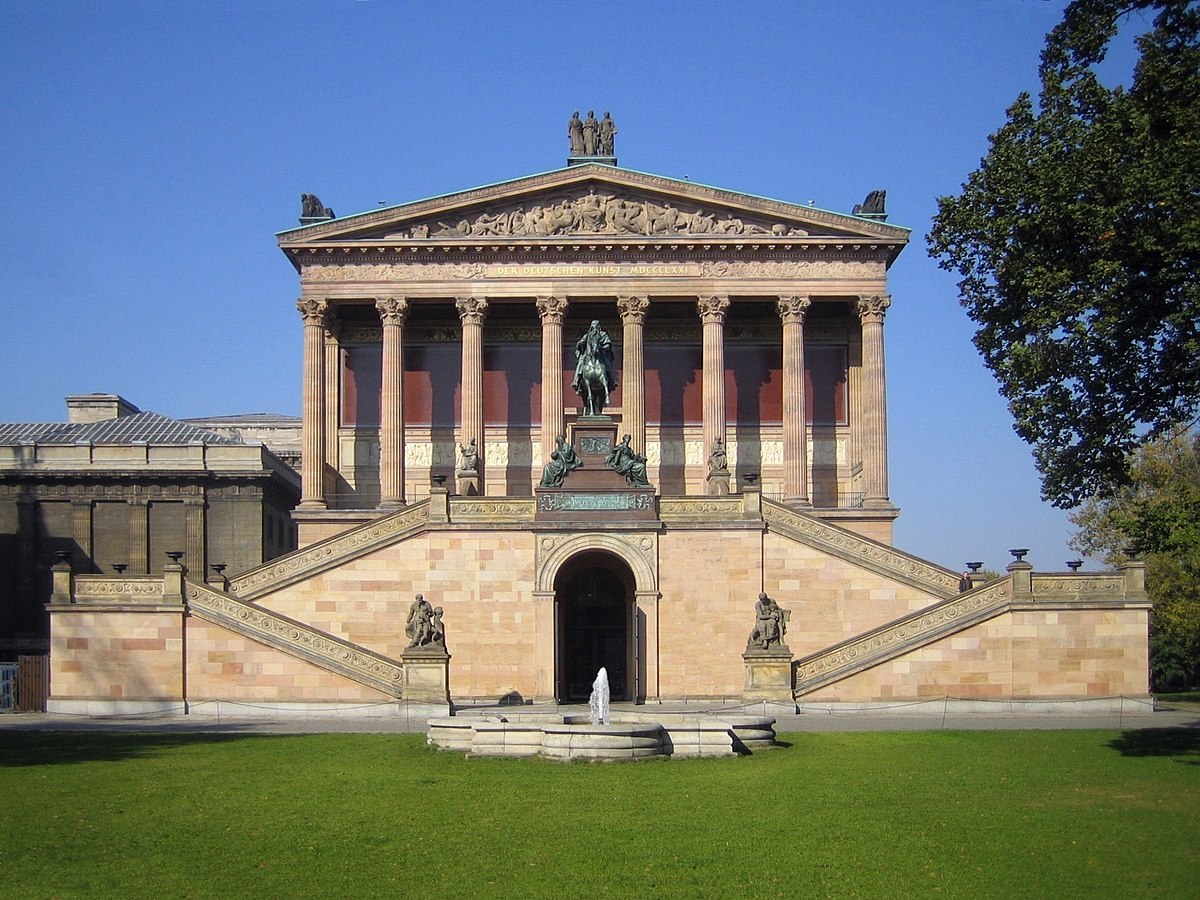
Alte Nationalgalerie
📍 Berlin, Germany
The Alte Nationalgalerie, an esteemed art museum located in Berlin’s Bezirk Mitte, is a cornerstone of cultural appreciation in Germany. This museum …