AKA-Radiergummifabrik
Overview
The AKA-Radiergummifabrik, a significant former factory located in Hannover, Germany, offers a unique glimpse into the industrial past of the region. This historical site, deeply rooted in the manufacturing sector, showcases the evolution of industry and labor practices in Germany. The factory is situated in Mitte, a central district known for its blend of tradition and modernity, making it an interesting contrast against the backdrop of contemporary Hannover.
Visitors to the AKA-Radiergummifabrik can expect to explore not just the physical structures of the factory itself but also the stories and cultural shifts that have taken place within its walls. The factory’s legacy is emblematic of the broader industrial changes that shaped European economies and societies. As you wander through its premises, you will encounter remnants of a bygone era, providing insights into the industrial techniques and workforce dynamics that defined its operations.
Whether you’re an industrial history enthusiast or simply curious about the heritage of Hannover, the AKA-Radiergummifabrik promises an engaging experience that celebrates the spirit of innovation and resilience in the face of change.
History and Significance
The AKA-Radiergummifabrik was established as a part of Hannover’s industrial landscape, contributing to the economic development of the city and the surrounding region. Factories like this one played a pivotal role during the industrialization period in Germany, marking a shift from agrarian economies to industrial powerhouses. The factory specialized in the production of rubber goods, which were essential for various industries, including automotive, manufacturing, and construction.
Throughout its operational years, the AKA-Radiergummifabrik witnessed significant advancements in technology and production methods. The adoption of mechanization transformed how goods were produced, increasing efficiency and output. This transition not only impacted the factory itself but also had broader implications for labor and employment practices within Hannover and beyond. The factory provided jobs to numerous individuals, shaping the lives of many families and contributing to the local community’s development.
Moreover, the AKA-Radiergummifabrik serves as a reminder of the challenges faced by industries in the wake of economic shifts and globalization. As markets evolved and production processes became more sophisticated, many traditional factories struggled to adapt. The closure of such facilities often led to economic downturns in their respective areas, affecting workers and their communities. The story of the AKA-Radiergummifabrik is thus intertwined with the narrative of industrial change, labor relations, and economic resilience in Germany.
Today, while the factory no longer operates as it once did, it stands as a significant cultural landmark. The site offers opportunities for reflection on the industrial heritage of Hannover and the ongoing evolution of the manufacturing sector. As visitors explore the premises, they are invited to consider the legacy of innovation and the social implications of industrial progress.
Architecture and Features
The architecture of the AKA-Radiergummifabrik reflects the practical and utilitarian design typical of industrial buildings from its era. Characterized by robust construction, the factory features sturdy brick walls and large windows, which were essential for natural light during working hours. This design not only facilitated the manufacturing processes within but also signifies the architectural trends of industrial facilities from the late 19th and early 20th centuries.
The factory layout was likely optimized for production efficiency, with distinct areas designated for various processes. Visitors can observe remnants of machinery and equipment that once played crucial roles in the manufacturing of rubber products. The scale and layout of the factory illustrate the expansive nature of industrial operations, demonstrating how such spaces were designed to accommodate large-scale production.
In addition to its functional design, the AKA-Radiergummifabrik holds aesthetic value, with elements that may reflect the industrial zeitgeist of the time. The interplay of light and shadow created by the factory’s large windows can evoke a sense of nostalgia, transporting visitors to a time when this site was bustling with activity. The preservation of certain architectural features also provides insight into the construction techniques and materials prevalent during its operational years.
As an example of industrial architecture, the AKA-Radiergummifabrik stands out not only for its historical significance but also for its physical presence. It serves as a cultural artifact that encapsulates the essence of an era defined by innovation, labor, and economic transformation.
Visiting Information
To visit the AKA-Radiergummifabrik, travelers can easily access the site via public transportation or by car, depending on their starting point in Hannover. Given its central location in the Mitte district, it is accessible through various modes of transport. Visitors planning their journey should consider checking the official website for current information on transportation options and directions.
While exploring the factory, guests can expect to take in the historical ambiance of the site. It’s advisable to allocate sufficient time to fully appreciate the surroundings and the stories embedded within the factory’s walls. The duration of the visit may vary based on personal interests, but a few hours should suffice for a comprehensive experience.
For those interested in guided tours or educational programs, it is best to verify availability and schedules through the official website. Visiting hours and any potential admission fees should also be confirmed in advance to ensure a smooth experience.
As for the best times to visit, consider weekdays for a quieter experience, while weekends may attract more visitors. Regardless of when you go, the factory’s historical significance and industrial charm are sure to enhance your exploration of Hannover’s heritage.
Nearby Attractions
After visiting the AKA-Radiergummifabrik, there are several nearby attractions worth exploring:
Hannover City Hall (Rathaus): This impressive building features a stunning dome and offers panoramic views from its observation platform. A short distance from the factory, it showcases the architectural beauty of Hannover.
Maschsee: A picturesque artificial lake located in the heart of Hannover, Maschsee is ideal for leisurely walks, picnics, and water activities, providing a scenic contrast to the industrial atmosphere of the factory.
The Lower Saxony State Museum: Situated nearby, this museum holds a diverse collection of art and natural history exhibits, perfect for those interested in the cultural heritage of the region.
The Old Town (Altstadt): A short journey from the factory, Hannover’s Old Town features charming streets, historic buildings, and a selection of cafes and shops, allowing visitors to immerse themselves in the local culture.
Hannover Zoo: Known for its immersive exhibits and conservation efforts, the Hannover Zoo is a family-friendly destination that showcases a variety of animal species in thoughtfully designed habitats.
Insider Tips
When visiting the AKA-Radiergummifabrik, photography enthusiasts will find ample opportunities to capture the factory’s unique architectural features and historical ambiance. Aim to visit during the golden hours—early morning or late afternoon—when the light casts interesting shadows and enhances the textures of the building.
To avoid crowds, consider planning your visit on a weekday. Mornings tend to be quieter, allowing for a more personal experience as you explore the site. If the factory offers guided tours, participating in one can provide additional insights and enrich your understanding of the factory’s history.
Practical Information
When planning your visit, it is advisable to wear comfortable shoes, as you may be walking on uneven surfaces throughout the factory. Given that the site may have limited amenities, it’s also wise to bring water and snacks, especially if you plan to spend a few hours there.
Seasonal considerations are important; be prepared for varying weather conditions, particularly if you plan to explore outdoor areas around the factory. Always check the official website for any specific advisories or information regarding seasonal events that may enhance your visit.
Frequently Asked Questions
How long should I spend visiting?
A visit typically requires a few hours to fully appreciate the site, but this can vary based on personal interests.
Is photography allowed?
Photography is generally permitted, but it’s best to check for any specific guidelines upon arrival.
Are there guided tours?
Guided tours may be available. Check the official website for current scheduling and booking information.
What’s the best time to visit?
Weekdays, especially in the morning, tend to be quieter, making for a more enjoyable experience.
Is it wheelchair accessible?
Accessibility information should be checked on the official website to ensure a comfortable visit.
Can I buy tickets online?
Ticket purchasing options can vary, so it is advisable to confirm availability on the official website.
Are there restrooms and cafes?
Visitors should check the official website for information regarding amenities such as restrooms and food options.
What should I wear?
Dress comfortably and wear appropriate footwear for walking, as the site may have uneven surfaces.
More in Lower Saxony

2000 Jahre Christentum
📍 Lower Saxony, Germany
The “2000 Jahre Christentum,” a prominent statue located in Brunswick, Germany, serves as a significant cultural landmark that reflects the rich …
A. Heucke
📍 Lower Saxony, Germany
A. Heucke, located in the historic town of Gatersleben in Germany’s Seeland region, represents a significant chapter in the story of industrial …

Aalto Theatre
📍 Lower Saxony, Germany
The Aalto Theatre in Essen, Germany, is a prominent cultural landmark that attracts both local and international visitors. Renowned for its …

Aasee
📍 Lower Saxony, Germany
Aasee is a picturesque lake located in the town of Ibbenbüren, Germany, serving as a popular destination for both locals and visitors alike. This …
Abgunst Mine
📍 Lower Saxony, Germany
Abgunst Mine, located in the industrial heart of Essen, Germany, is a significant heritage site that represents the country’s rich mining history. As …

Accumer Mühle
📍 Lower Saxony, Germany
Accumer Mühle is a captivating windmill located in Schortens, Germany, that showcases the remarkable engineering of traditional European mills. This …
More Factories
A. Heucke
📍 Lower Saxony, Germany
A. Heucke, located in the historic town of Gatersleben in Germany’s Seeland region, represents a significant chapter in the story of industrial …
Adam Opel AG Werk Bochum I
📍 Lower Saxony, Germany
The Adam Opel AG Werk Bochum I, located in Germany, represents a significant chapter in the history of industrial production. This former production …
Adam Opel AG Werke Bochum II/III
📍 Lower Saxony, Germany
Adam Opel AG Werke Bochum II/III is a distinguished factory located in Germany, playing a significant role in the automotive industry. This site is …
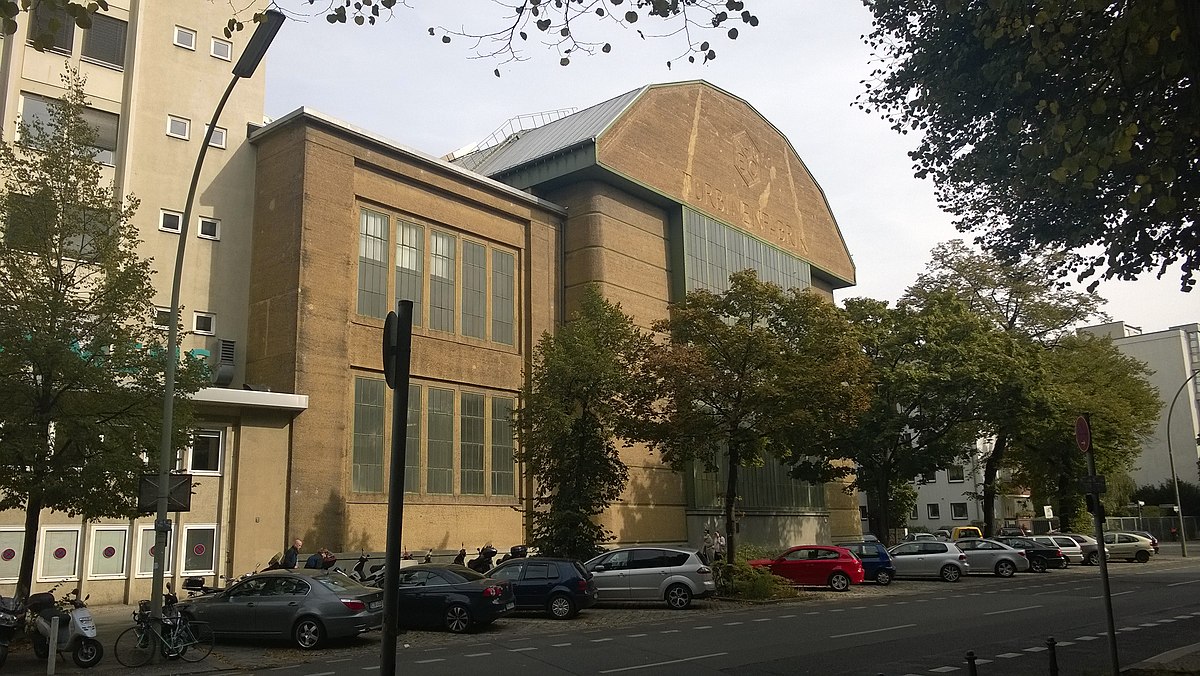
AEG's Turbine factory
📍 Berlin, Germany
The AEG Turbine Factory, an iconic structure in Berlin’s Bezirk Mitte, is a significant landmark that reflects the industrial heritage of the city. …

Alte Malzfabrik
📍 Lower Saxony, Germany
Alte Malzfabrik, located in Mülheim an der Ruhr, Germany, is an intriguing factory site that encapsulates the industrial heritage of the region. This …