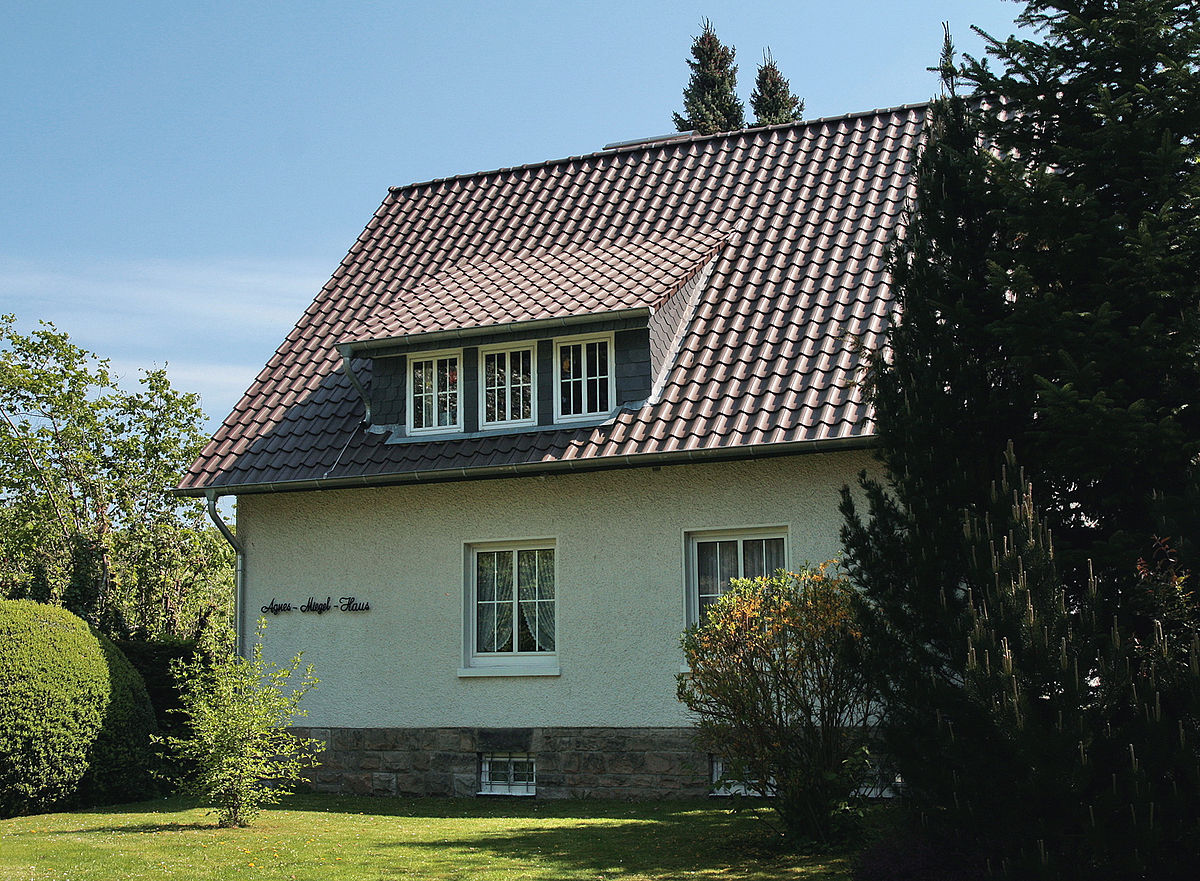
Agnes-Miegel-Haus
Overview
The Agnes-Miegel-Haus, located in Bad Nenndorf, Germany, serves as a museum dedicated to the life and works of one of Germany’s prominent literary figures, Agnes Miegel. This museum is more than just a repository of artifacts; it is a cultural space that invites visitors to explore the literary heritage of the region, reflecting on the influence of Miegel’s contributions to German literature. Situated in a charming town known for its serene landscapes and historical significance, the museum offers an inviting atmosphere for both literature enthusiasts and casual visitors alike.
The significance of Agnes-Miegel-Haus extends beyond its walls; it is a reflection of the literary movement in Germany during Miegel’s lifetime, providing insights into the societal and cultural context of her works. This museum not only showcases artifacts and documents but also aims to preserve the memory of Miegel’s literary achievements. Visiting the Agnes-Miegel-Haus allows for an enriching experience, as you delve into the nuances of German literary history while enjoying the welcoming ambiance of Bad Nenndorf.
History and Significance
Agnes Miegel was an influential poet, novelist, and essayist who played a pivotal role in the German literary scene in the early to mid-20th century. Born in 1881, her works often explored themes of identity, nature, and the human experience, resonating with readers across generations. The establishment of the Agnes-Miegel-Haus as a museum serves to honor her legacy and ensure that her contributions are not forgotten.
The museum’s mission goes beyond mere preservation; it aims to celebrate the cultural importance of Miegel’s work. Her literature often reflected the socio-political climate of her time, providing readers with a lens through which to understand the complexities of life in Germany during periods of change. The museum serves as a vital educational resource, offering insights into the literary movements that shaped Miegel’s writing and the broader context of German literature.
In addition to highlighting Miegel’s contributions, the museum plays a role in the cultural life of Bad Nenndorf. It attracts visitors who seek to understand the literary heritage of the region, fostering a connection between past and present. The Agnes-Miegel-Haus is a significant landmark, not just for what it houses but for the conversations it sparks about literature and culture.
Architecture and Features
The Agnes-Miegel-Haus is characterized by its architectural style that reflects the charm of the surrounding area. While specific architectural details are not provided, the museum’s structure is designed to create an inviting environment for visitors. Inside, the museum is thoughtfully curated, displaying a variety of artifacts that relate to Agnes Miegel’s life and works.
Visitors can expect to find personal belongings, manuscripts, and literary works that chronicle Miegel’s journey as a writer. The layout of the museum is designed to facilitate an engaging experience, allowing guests to move through different exhibits at their own pace. The atmosphere within the museum is one of quiet reflection, encouraging guests to immerse themselves in the literary history presented.
The museum may also feature spaces for community events, workshops, or literary discussions, further integrating Miegel’s legacy into the cultural fabric of Bad Nenndorf. Each aspect of the museum, from its architecture to its exhibits, works in harmony to create a cohesive narrative about Agnes Miegel’s life and the impact of her literary contributions.
Visiting Information
Getting to the Agnes-Miegel-Haus is straightforward, with various transport options available for visitors. The museum is located in Bad Nenndorf, which is accessible by public transportation, including trains and buses. For those driving, parking facilities may be available nearby, allowing for convenient access.
While specific hours and ticket prices are not detailed, it is advisable to check the official website for current information to plan your visit effectively. The museum typically welcomes guests throughout the week, making it a flexible option for travelers.
Visitors should allocate a sufficient amount of time to fully appreciate the exhibits and engage with the museum’s offerings. A visit may take anywhere from an hour to several hours, depending on individual interests. The best times to visit are often during weekdays when crowds may be smaller, allowing for a more intimate experience with the exhibits.
In preparation for your visit, consider what you might want to learn or experience. Whether you are a literature aficionado or simply curious about German cultural history, the Agnes-Miegel-Haus offers insights that can enrich your understanding.
Nearby Attractions
- Bad Nenndorf Spa Gardens: A lovely area for leisurely walks and relaxation.
- St. John’s Church: An important historical church in the region, offering a glimpse into local architectural styles.
- Berggarten: A botanical garden featuring a diverse range of plants, perfect for nature enthusiasts.
- Kurpark Bad Nenndorf: A serene park ideal for picnics and enjoying the outdoors.
- Museum Bad Nenndorf: Another local museum that explores the history of Bad Nenndorf and its surroundings.
Insider Tips
Photography policies can vary, so it is best to inquire upon arrival whether photographs are permitted inside the museum. To avoid crowds, consider visiting during mid-week or early in the day, when foot traffic may be lighter. Engaging with staff members can enhance your experience, as they often provide valuable insights and anecdotes about Agnes Miegel and her works.
Practical Information
When planning your visit to the Agnes-Miegel-Haus, be sure to bring along any essentials you might need, such as water, a camera (if allowed), and a notebook if you wish to jot down reflections or insights gained during your visit. Seasonal considerations may affect your experience; for instance, the museum may host special events or exhibitions during certain times of the year. It is advisable to check the official website for any seasonal programming or changes in visitor policies.
Frequently Asked Questions
How long should I spend visiting?
A visit typically takes between one to three hours, depending on your interest in the exhibits.
Is photography allowed?
Photography policies may vary, so it is advisable to check with museum staff upon arrival.
Are there guided tours?
Guided tours may be available, but it is best to inquire at the museum or check the official website for details.
What’s the best time to visit?
Visiting during weekdays, especially in the morning, can help avoid larger crowds.
Is it wheelchair accessible?
Check the official website for current accessibility information to ensure a comfortable visit.
Can I buy tickets online?
For ticket purchasing options, please refer to the official website for the most accurate information.
Are there restrooms and cafes?
Amenities such as restrooms may be available on-site, but be sure to check the official website for specifics regarding cafes or food options.
What should I wear?
Dress comfortably, especially if you plan to explore nearby attractions. Consider the weather when selecting your attire.
More in Lower Saxony

2000 Jahre Christentum
📍 Lower Saxony, Germany
The “2000 Jahre Christentum,” a prominent statue located in Brunswick, Germany, serves as a significant cultural landmark that reflects the rich …
A. Heucke
📍 Lower Saxony, Germany
A. Heucke, located in the historic town of Gatersleben in Germany’s Seeland region, represents a significant chapter in the story of industrial …

Aalto Theatre
📍 Lower Saxony, Germany
The Aalto Theatre in Essen, Germany, is a prominent cultural landmark that attracts both local and international visitors. Renowned for its …

Aasee
📍 Lower Saxony, Germany
Aasee is a picturesque lake located in the town of Ibbenbüren, Germany, serving as a popular destination for both locals and visitors alike. This …
Abgunst Mine
📍 Lower Saxony, Germany
Abgunst Mine, located in the industrial heart of Essen, Germany, is a significant heritage site that represents the country’s rich mining history. As …

Accumer Mühle
📍 Lower Saxony, Germany
Accumer Mühle is a captivating windmill located in Schortens, Germany, that showcases the remarkable engineering of traditional European mills. This …
More Museums

Abbey and Altenmünster of Lorsch
📍 Baden-Württemberg, Germany
The Abbey and Altenmünster of Lorsch is a UNESCO World Heritage site located in the charming town of Lorsch, Germany. This significant cultural …
Abenteuermuseum
📍 Rhineland-Palatinate, Germany
The Abenteuermuseum, located in Germany, invites visitors to explore the wonders of adventure through its unique exhibits and engaging experiences. …

Abwasser- und Sielmuseum
📍 Hamburg, Germany
The Abwasser- und Sielmuseum, located in the heart of Hamburg-Mitte, offers a unique glimpse into the city’s historical infrastructure concerning …

Academy of Arts, Berlin
📍 Berlin, Germany
The Academy of Arts in Berlin is not just a museum; it is a prominent national institution dedicated to the advancement of the arts in Germany. …

Ackerbürgermuseum Haus Leck
📍 Hesse, Germany
Ackerbürgermuseum Haus Leck is a culturally significant museum located in Germany’s Grebenstein region, dedicated to preserving and showcasing the …

Active Museum Spiegelgasse
📍 Hesse, Germany
Active Museum Spiegelgasse is a vital institution dedicated to preserving and exploring the German-Jewish history of Wiesbaden, Germany. Located in …