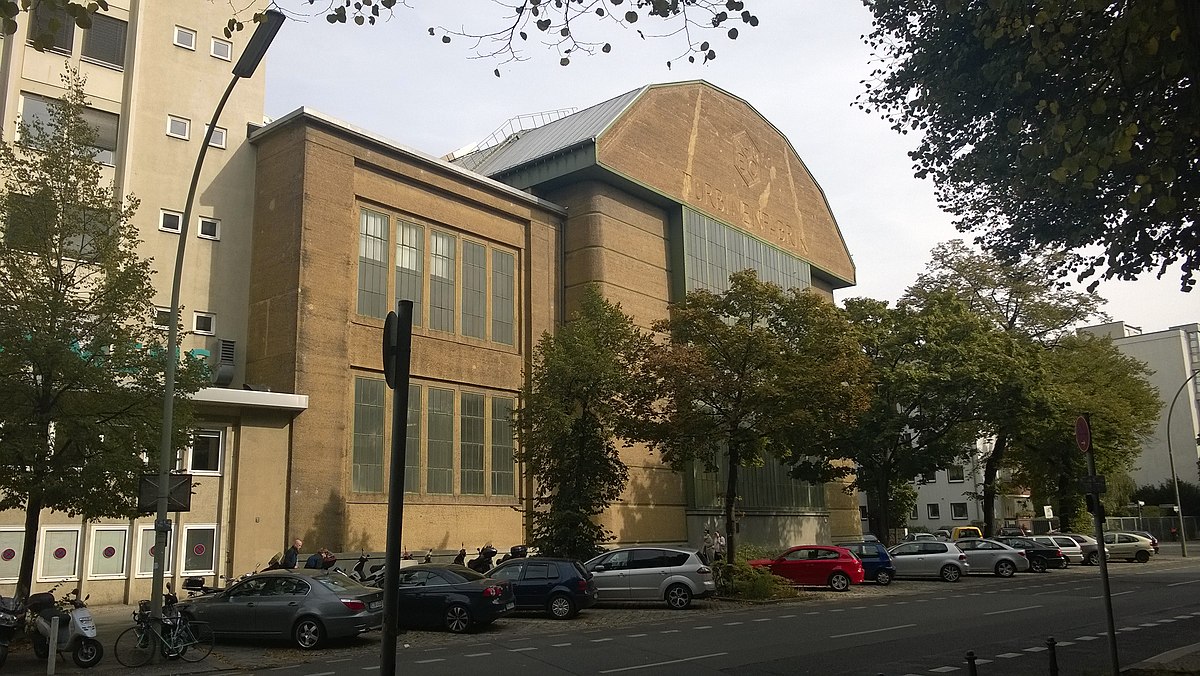
AEG's Turbine factory
Overview
The AEG Turbine Factory, an iconic structure in Berlin’s Bezirk Mitte, is a significant landmark that reflects the industrial heritage of the city. Established during a transformative period in the early 20th century, this factory is emblematic of the advanced engineering and architectural prowess of its time. A visit to the AEG Turbine Factory presents an opportunity to explore the intersection of industry and innovation, as it played a pivotal role in the development of electrical engineering and energy production in Germany.
As you approach the factory, its imposing structure commands attention, serving as a reminder of Berlin’s industrial past and the pivotal role that technology plays in modern society. The significance of the factory extends beyond its physical presence; it is a symbol of the evolution of the electrical industry and the impact of industrialization on urban development. Exploring the AEG Turbine Factory offers insights not only into its architectural features but also into the broader cultural and economic shifts that shaped Berlin during the 20th century.
History and Significance
The AEG Turbine Factory was established during a period marked by rapid technological advancement, particularly in the fields of electrical engineering and manufacturing. The factory became a critical site for the production of turbines, which were essential for generating electricity. This innovation was crucial for the growth of urban infrastructure, as cities relied increasingly on electrical power for transportation, lighting, and industry.
The factory’s establishment coincided with the rise of the AEG (Allgemeine Elektricitäts-Gesellschaft), one of the leading electrical companies in the world at the time. AEG was not just a manufacturer; it was also a pioneer in promoting the use of electricity in everyday life. The Turbine Factory became a symbol of this mission, showcasing the company’s commitment to innovation and quality.
The cultural significance of the AEG Turbine Factory is reflected in its role in shaping Berlin’s industrial landscape. The factory was designed in a way that emphasized functionality while also showcasing artistic elements that were characteristic of its era. This blend of utility and aesthetics made the factory an important case study in industrial architecture.
Moreover, the site has been recognized for its historical value, as it represents the transformation of Berlin into a hub of technological advancement. Today, the AEG Turbine Factory stands as a monument to the engineering feats of the past and serves as a reminder of the importance of innovation in shaping modern society.
Architecture and Features
The architecture of the AEG Turbine Factory is a striking example of early 20th-century industrial design. The building exhibits characteristics typical of the time, including large, open spaces that were necessary for manufacturing operations. The factory is characterized by its functionality, with high ceilings and expansive floor areas that facilitated the movement of large machinery and heavy equipment.
One of the notable features of the factory is its emphasis on natural light. Large windows were strategically placed to illuminate the interior, creating a bright working environment that was essential for the assembly of turbines. This design choice not only enhanced the working conditions but also reflected the architectural trends of the time, which valued transparency and openness.
The exterior of the factory is equally impressive, with a robust façade that captures the industrial spirit of the era. The building’s design incorporates elements that emphasize its strength and durability, traits that were crucial for a manufacturing facility.
In addition to its functional design, the AEG Turbine Factory is also notable for its historical significance, as it represents a merging of engineering and architectural innovation. Its design has influenced subsequent industrial buildings, making it an important reference point for those studying industrial architecture.
Visiting Information
Visiting the AEG Turbine Factory offers a unique opportunity to engage with Berlin’s industrial history. To reach the factory, various modes of public transportation are available in the vicinity, making it easily accessible for travelers. Upon arrival, expect to encounter a blend of historical context and modern amenities, as the site may have evolved to accommodate visitors.
While specific hours of operation and ticket prices are not detailed here, it is advisable to check the official website for current information before planning your visit. Depending on your interests, allocate sufficient time to explore the factory and its surroundings. A visit may take anywhere from a couple of hours to half a day, depending on how deeply you wish to engage with the exhibits and the overall atmosphere of the site.
For the most enriching experience, consider visiting during weekdays when crowds are typically smaller. This allows for a more intimate exploration of the factory’s architecture and its historical significance.
Nearby Attractions
Berlin Hauptbahnhof (Berlin Central Station) - A short distance from the AEG Turbine Factory, this modern transport hub is an architectural marvel in its own right, showcasing innovative design and engineering.
Reichstag Building - The seat of the German parliament, this historic building features a stunning glass dome that offers panoramic views of the city, providing a contrast to the industrial heritage of the turbine factory.
Museum für Naturkunde (Natural History Museum) - This fascinating museum is home to an extensive collection of exhibits related to natural history, making it a great complementary visit for those interested in science and nature.
Hamburger Bahnhof - A contemporary art museum located in a former railway station, it features works from the 1960s to the present and is a testament to Berlin’s vibrant art scene.
Mitte District - This central district is known for its lively atmosphere, filled with shops, cafes, and cultural sites, making it a perfect area to explore before or after your visit to the factory.
Insider Tips
For photography enthusiasts, the AEG Turbine Factory presents numerous opportunities to capture striking architectural details. Early mornings or late afternoons provide the best natural light for exterior shots. Inside, be mindful of any restrictions regarding photography, and always seek permission if unsure.
To avoid the busiest crowds, consider visiting during weekdays, particularly in the mornings. This allows for a more relaxed experience, giving you ample time to appreciate the factory’s historical and architectural significance without the distractions of larger groups.
Practical Information
When preparing for your visit to the AEG Turbine Factory, it is advisable to wear comfortable footwear, as you may be exploring various levels of the building or walking around the surrounding area. Depending on the season, be sure to dress appropriately, as weather conditions in Berlin can vary significantly.
Bringing a water bottle and light snacks can enhance your experience, especially if you plan to spend several hours on site. Additionally, checking the official website for any seasonal events or temporary exhibits can help you make the most of your visit.
Frequently Asked Questions
How long should I spend visiting?
A visit to the AEG Turbine Factory typically takes between two to four hours, depending on your level of interest in the exhibits and architecture.
Is photography allowed?
Photography policies can vary; it’s best to check in advance or inquire upon arrival to ensure you are following the rules.
Are there guided tours?
Guided tours may be available, offering deeper insights into the factory’s history and architecture. Check the official website for more information.
What’s the best time to visit?
Weekdays, particularly in the morning, tend to be less crowded, providing a more enjoyable experience.
Is it wheelchair accessible?
Accessibility features may vary; it’s recommended to check the official website for specific information regarding wheelchair access.
Can I buy tickets online?
Ticket purchasing options may be available online; check the official website for current availability and prices.
Are there restrooms and cafes?
Facilities may be provided on site; it’s best to confirm availability through the official website before your visit.
What should I wear?
Comfortable footwear is recommended due to potential walking and exploring. Dress according to the season, as weather conditions in Berlin can change rapidly.
Location
More in Berlin

144., 176. und 184. Gemeindeschule
📍 Berlin, Germany
The 144., 176. und 184. Gemeindeschule, an architectural ensemble located in the vibrant city of Berlin, stands as a noteworthy example of educational …

Academy of Arts (Hanseatenweg)
📍 Berlin, Germany
The Academy of Arts (Hanseatenweg) stands as an emblem of Berlin’s vibrant cultural landscape, located in the historic Hansaviertel district. Renowned …

Academy of Arts, Berlin
📍 Berlin, Germany
The Academy of Arts in Berlin is not just a museum; it is a prominent national institution dedicated to the advancement of the arts in Germany. …

Academy of the Konrad-Adenauer-Stiftung
📍 Berlin, Germany
The Academy of the Konrad-Adenauer-Stiftung, located in the heart of Berlin, is not just a foundation but a hub of intellectual discourse and …

ACUD
📍 Berlin, Germany
Located in the heart of Berlin’s Bezirk Mitte, ACUD serves as a vibrant cultural center and cinema, showcasing an array of films and events that …

Admiralspalast
📍 Berlin, Germany
Admiralspalast is a prominent theatre and event venue located in the heart of Berlin, Germany. This architectural gem serves as a cultural hub, …
More Factories
A. Heucke
📍 Lower Saxony, Germany
A. Heucke, located in the historic town of Gatersleben in Germany’s Seeland region, represents a significant chapter in the story of industrial …
Adam Opel AG Werk Bochum I
📍 Lower Saxony, Germany
The Adam Opel AG Werk Bochum I, located in Germany, represents a significant chapter in the history of industrial production. This former production …
Adam Opel AG Werke Bochum II/III
📍 Lower Saxony, Germany
Adam Opel AG Werke Bochum II/III is a distinguished factory located in Germany, playing a significant role in the automotive industry. This site is …
AKA-Radiergummifabrik
📍 Lower Saxony, Germany
The AKA-Radiergummifabrik, a significant former factory located in Hannover, Germany, offers a unique glimpse into the industrial past of the region. …

Alte Malzfabrik
📍 Lower Saxony, Germany
Alte Malzfabrik, located in Mülheim an der Ruhr, Germany, is an intriguing factory site that encapsulates the industrial heritage of the region. This …