
Aachen Cathedral Treasury
Overview
Aachen Cathedral Treasury, located in the historic city of Aachen, Germany, is a remarkable art museum that houses an impressive collection of ecclesiastical artifacts. As one of the most significant museums in the country, it is dedicated to preserving and showcasing items of profound cultural and historical importance that are tied to the legacy of the Aachen Cathedral. The treasury is an integral part of the cathedral complex, which has been recognized as a UNESCO World Heritage Site since 1978, reflecting its outstanding universal value.
With its origins closely linked to the Carolingian Empire and the reign of Charlemagne, the treasury offers visitors a chance to explore a diverse array of art and artifacts that span centuries. The collection includes liturgical objects, vestments, and reliquaries, all of which provide insight into the artistic and spiritual life of the medieval period. For those interested in art, history, or religion, the Aachen Cathedral Treasury promises to be a captivating destination that highlights the richness of Germany’s cultural heritage.
History and Significance
The history of Aachen Cathedral Treasury is intertwined with the story of the cathedral itself, which began as a Palatine Chapel commissioned by Charlemagne in the late 8th century. Initially constructed as a place for royal ceremonies, the chapel evolved into a significant pilgrimage site, attracting visitors from all over Europe. As a result, the treasury began to accumulate valuable artifacts that reflected the city’s prominence during the Carolingian era and beyond.
Throughout the Middle Ages, the treasury became a repository for sacred items that were used in religious ceremonies and worship. Many of these artifacts were created by skilled artisans, showcasing techniques and styles of their time. The items within the treasury often held deep spiritual significance, serving as symbols of faith and devotion. The collection includes exquisite goldsmith work, intricate textiles, and remarkable reliquaries that housed the relics of saints, which were believed to possess miraculous powers.
Over the centuries, the Aachen Cathedral Treasury has played a vital role in preserving the artistic achievements of the region and the broader history of the Catholic Church in Germany. Today, it stands as a testament to the artistic creativity and religious fervor of the medieval period, continuing to draw scholars and visitors alike who seek to understand its importance in the context of European history.
Architecture and Features
While the Aachen Cathedral Treasury itself is housed within the cathedral complex, its architectural features reflect the grandeur of the cathedral as a whole. The treasury is characterized by its elegant design and intricate details, which are representative of the Carolingian style. Visitors can expect to see beautifully crafted wooden cabinets and display cases that house the valuable artifacts.
The interior of the treasury is carefully curated to enhance the experience of viewing the art, with lighting and arrangement designed to showcase the intricate details of each piece. Among the notable features are the various reliquaries that contain remains of saints, adorned with precious metals and gemstones, demonstrating the high level of craftsmanship that was prevalent during the Gothic and Romanesque periods.
The treasury also houses vestments that were worn during significant liturgical ceremonies, showcasing the artistry involved in religious attire. These garments often feature elaborate embroidery and are made from luxurious materials, reflecting the wealth and devotion of the church at the time.
As you explore the treasury, take note of the historical context of each artifact; many pieces tell stories of the religious traditions and practices that shaped the cultural landscape of medieval Europe.
Visiting Information
A visit to the Aachen Cathedral Treasury is an enriching experience, and planning ahead can enhance your trip. The museum is conveniently located within the cathedral complex, making it easily accessible for those exploring the area. While specific hours and ticket prices are subject to change, checking the official website for current information is advisable.
On average, visitors spend about one to two hours at the treasury, allowing ample time to appreciate the collection and its significance. The best times to visit are typically during weekdays or early in the morning to avoid larger crowds, especially during peak tourist seasons.
For those relying on public transport, Aachen is well-connected by train and bus services, making it easy to reach the cathedral from various parts of Germany and neighboring countries. Alternatively, if you choose to drive, parking options are available nearby.
While inside, expect a serene atmosphere that encourages reflection and appreciation of the artistic and historical treasures on display. Guided tours may also be available, providing deeper insights into the collection and its context.
Nearby Attractions
Aachen is a city rich in history and culture, making it an ideal base for exploring several nearby attractions. Here are a few noteworthy sites to consider adding to your itinerary:
Aachen Cathedral: The cathedral itself is a UNESCO World Heritage Site and a must-see, showcasing stunning architecture and historical significance.
Palatine Chapel: Located within the cathedral, this chapel is one of the oldest surviving Carolingian structures and is known for its impressive octagonal design.
Aquisgrana Thermal Baths: Just a short walk from the cathedral, these historic thermal baths are a reminder of Aachen’s Roman heritage and a perfect spot for relaxation.
Couven Museum: This museum is dedicated to the decorative arts of the 18th and 19th centuries and offers a glimpse into the lifestyle of that period through its extensive collections.
Elisenbrunnen: A beautiful neoclassical fountain that celebrates the city’s famous thermal springs, providing a scenic spot to unwind.
Insider Tips
To make the most of your visit to the Aachen Cathedral Treasury, consider these insider tips:
Photography: While photography is often allowed, be sure to check for any specific restrictions regarding flash photography or certain artifacts.
Crowd Avoidance: Aim to visit during off-peak hours, such as early mornings or late afternoons on weekdays, to enjoy a quieter experience.
Engage with Exhibits: Take your time to read the descriptions and context provided for each artifact; this will enhance your understanding and appreciation of the collection.
Dress Comfortably: The treasury and cathedral may involve some walking and standing, so comfortable footwear is recommended.
Practical Information
When planning your visit to the Aachen Cathedral Treasury, consider the following practical information:
What to Bring: Bring a small bag for personal items, and consider carrying a water bottle, especially during warmer months.
Seasonal Considerations: The museum can be more crowded during the summer tourist season and around religious holidays, so plan accordingly if you prefer a quieter experience.
Accessibility: Check the official website for information on wheelchair accessibility and any facilities available for visitors with mobility challenges.
Dress Code: While there is no strict dress code, it is advisable to dress respectfully, especially in a religious context.
Frequently Asked Questions
How long should I spend visiting?
Most visitors typically spend about one to two hours exploring the treasury to fully appreciate the collection.
Is photography allowed?
Photography is often permitted, but check for any specific restrictions regarding certain artifacts or areas.
Are there guided tours?
Guided tours may be available, providing deeper insights into the collection and its history. Check the official website for details.
What’s the best time to visit?
Weekdays and early mornings are generally the best times to avoid crowds, especially during peak tourist seasons.
Is it wheelchair accessible?
For information on accessibility, check the official website for details on facilities available for visitors with mobility challenges.
Can I buy tickets online?
It is advisable to check the official website for information on ticket purchasing options, including online availability.
Are there restrooms and cafes?
Check the official website for information on amenities, including restrooms and nearby cafes.
What should I wear?
While there is no strict dress code, dressing respectfully is recommended, especially in a religious context. Comfortable footwear is advisable for walking and standing.
More in North Rhine-Westphalia

Aachen Cathedral
📍 North Rhine-Westphalia, Germany
Aachen Cathedral, a magnificent Roman-Catholic structure located in the historic city of Aachen, Germany, is a masterpiece of architectural design and …

Aachen Chapel of Hungary
📍 North Rhine-Westphalia, Germany
The Aachen Chapel of Hungary, a significant part of the Aachen Cathedral complex in Germany, serves as an emblem of the cultural exchange between …

Aachen-Rothe Erde station
📍 North Rhine-Westphalia, Germany
Aachen-Rothe Erde station serves as a crucial node in the intricate web of Germany’s railway network, located in the vibrant city of Aachen. This …

Aachener Tierpark Euregiozoo
📍 North Rhine-Westphalia, Germany
The Aachener Tierpark Euregiozoo, located in the heart of Aachen-Mitte, Germany, is a captivating destination for animal lovers and families alike. …

Abtei Mariendonk
📍 North Rhine-Westphalia, Germany
Abtei Mariendonk, a serene monastery located in the tranquil region of Grefrath, Germany, invites visitors to explore its spiritual and architectural …
More Art Museums

Abteiberg Museum
📍 North Rhine-Westphalia, Germany
In the heart of Mönchengladbach, Germany, the Abteiberg Museum stands out as a prominent destination for art enthusiasts and cultural explorers alike. …

Akademisches Kunstmuseum
📍 North Rhine-Westphalia, Germany
In the heart of Bonn, Germany, lies the Akademisches Kunstmuseum, an art museum that invites visitors to explore a diverse collection of artworks …

Albertinum
📍 Saxony, Germany
Albertinum is a prominent art museum located in the heart of Dresden, Germany, serving as a significant cultural institution in the region. …

Albrecht Dürer's House
📍 Bavaria, Germany
Albrecht Dürer’s House stands as a significant cultural landmark in Nuremberg, Germany, celebrating the life and work of one of the Renaissance’s most …
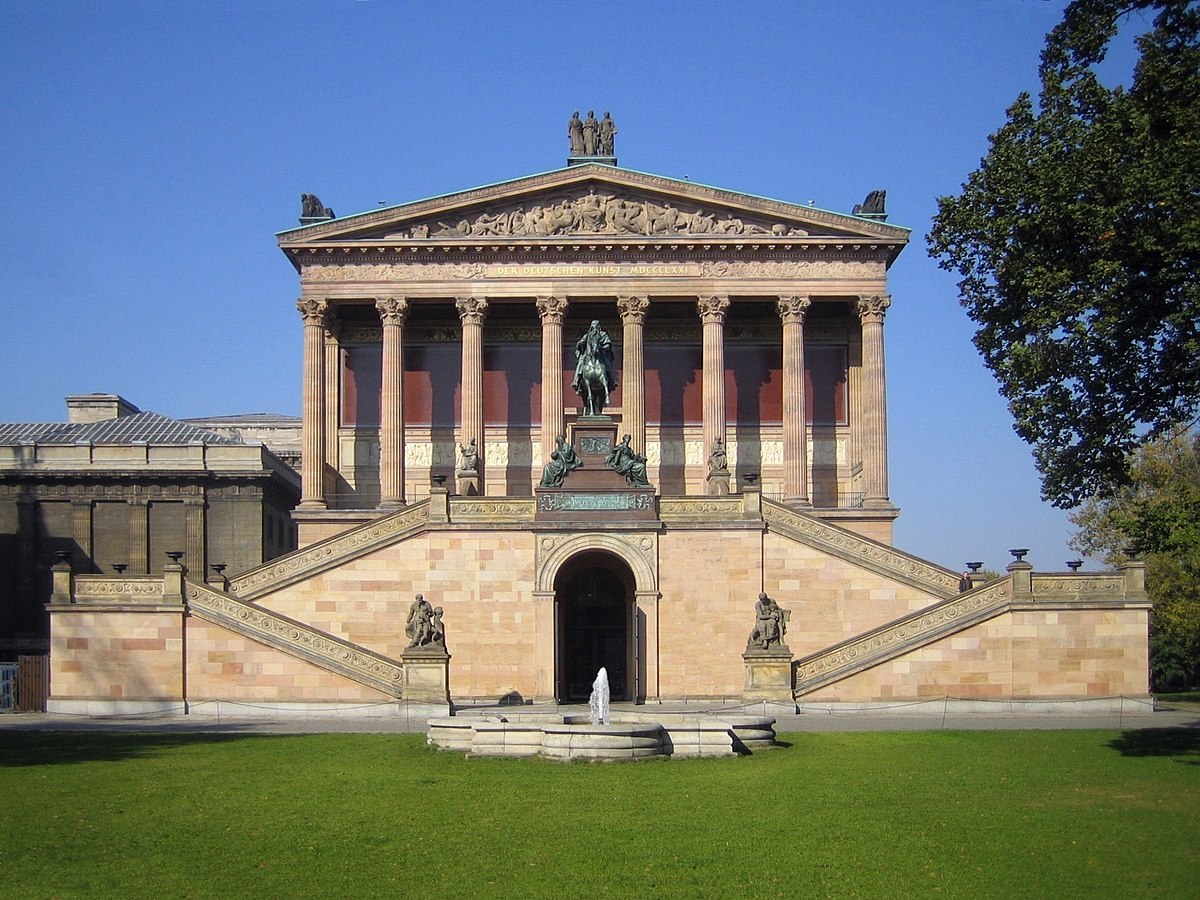
Alte Nationalgalerie
📍 Berlin, Germany
The Alte Nationalgalerie, an esteemed art museum located in Berlin’s Bezirk Mitte, is a cornerstone of cultural appreciation in Germany. This museum …