A. Heucke
Overview
A. Heucke, located in the historic town of Gatersleben in Germany’s Seeland region, represents a significant chapter in the story of industrial innovation. This factory, known for manufacturing steam plows, offers visitors a glimpse into the evolution of German engineering and agricultural practices. As you explore this historic site, you will not only gain insights into the technical advancements of the past but also appreciate the cultural heritage that shaped modern farming methods.
The factory stands as a monument to the industrious spirit of Gatersleben and the broader Seeland region, which has long been associated with agricultural development. The site’s well-preserved structures reflect the architectural styles and functional designs typical of late 19th-century factories. Visiting A. Heucke provides a unique opportunity to engage with Germany’s industrial history, making it a noteworthy stop for history enthusiasts, engineering students, and curious travelers alike.
History and Significance
The history of A. Heucke is intertwined with the broader narrative of industrialization in Germany. As agricultural practices evolved in the 19th century, the demand for more efficient farming equipment surged. The factory emerged as a key player in this transformation, focusing on the production of steam plows—an innovation that revolutionized the farming landscape.
Steam plows, powered by steam engines, enabled farmers to cultivate land more effectively than ever before. This innovation not only increased productivity but also changed the way farming was conducted across regions. A. Heucke’s contribution to this field underscores its importance as a site of technological advancement.
The factory’s significance extends beyond its mechanical innovations. It also represents the cultural shifts of its time, reflecting how industrial advancements influenced social structures and labor dynamics. Many workers were drawn to Gatersleben for employment opportunities at A. Heucke, impacting the local economy and community structure. The factory’s presence helped to shape the identity of Gatersleben, embedding it within the narrative of Germany’s industrial heritage.
As you explore this site, consider the legacy of those who worked here and the broader implications of their innovations on contemporary agricultural techniques. A. Heucke stands as a vital part of Germany’s industrial history, symbolizing the intersection of engineering prowess and agricultural progress.
Architecture and Features
The architecture of A. Heucke offers a fascinating glimpse into the industrial design ethos of its time. The factory’s exterior features robust brickwork, typical of 19th-century industrial buildings, characterized by functional forms and minimal ornamentation. This design reflects the practical needs of a working factory, focusing on utility rather than aesthetic embellishments.
One notable feature of the factory is its large, open spaces, which were essential for housing the machinery necessary for steam plow production. The layout of the factory is indicative of the assembly line processes that were becoming more common during this period. This design not only facilitated efficient workflows but also showcased the advancements in engineering that allowed for mass production.
Inside, visitors may find remnants of the original machinery, which serve as a testament to the technological innovations of the time. The preserved equipment provides insight into the manufacturing processes that were used, highlighting the skill and craftsmanship involved in creating steam plows.
Overall, the architecture and features of A. Heucke are a reflection of its industrial purpose, embodying the spirit of innovation that characterized the era of its operation. The factory stands as a physical reminder of the evolution of engineering and agriculture, making it a significant site for understanding the development of these fields.
Visiting Information
Visiting A. Heucke is an enriching experience for those interested in industrial history and engineering. The factory is accessible by various modes of transport, including car and public transportation. Given its location in Gatersleben, the site is well connected to larger cities in the region, making it a convenient stop for travelers exploring Seeland.
It’s advisable to check the official website for current information regarding visiting hours and ticket prices, as these can vary throughout the year. Visitors should plan to spend a couple of hours at the site to fully appreciate the exhibits and take in the historical context of the factory.
The best times to visit are typically during the spring and early fall when the weather is pleasant, allowing for a comfortable exploration of the site. It’s also worth considering weekdays, as weekends may attract larger crowds.
Upon arrival, expect to find informative displays that detail the factory’s history and its significance in the world of agricultural innovation. Whether you are a history buff, an engineering enthusiast, or simply curious about the past, A. Heucke offers a comprehensive understanding of the interplay between industry and agriculture.
Nearby Attractions
While exploring Gatersleben and its industrial heritage, there are several nearby attractions worth visiting:
Gatersleben Village - A charming village with traditional German architecture and local shops, perfect for a leisurely stroll.
Sachsen-Anhalt Museum of Technology - Located in the nearby city of Magdeburg, this museum showcases various technological advancements, including exhibits on agricultural machinery.
The Harz Mountains - A short drive from Gatersleben, this mountain range offers stunning natural scenery and outdoor activities, including hiking and cycling.
Quedlinburg - A UNESCO World Heritage site, this historic town features medieval architecture, quaint streets, and a rich cultural history.
Wernigerode Castle - This picturesque castle, with its fairy-tale appearance, offers tours and breathtaking views of the surrounding landscape.
These attractions complement a visit to A. Heucke, providing a well-rounded experience of the historical and cultural offerings of the region.
Insider Tips
For photography enthusiasts, A. Heucke presents a variety of interesting subjects. The factory’s industrial architecture and preserved machinery provide unique backdrops for photographs. However, be mindful of any restrictions regarding photography inside the factory, and always respect the site’s guidelines.
To avoid crowds, consider visiting during the morning on weekdays, as weekends and holidays may attract larger groups of visitors. This strategy allows for a more intimate experience of the site and gives you ample opportunity to explore at your own pace.
Practical Information
When planning your visit to A. Heucke, it’s wise to bring comfortable walking shoes, as you will likely spend time exploring the factory and its grounds. Depending on the season, dress in layers to accommodate changes in temperature, particularly if your visit coincides with cooler months.
Additionally, consider bringing water and snacks, especially if you plan to spend a significant amount of time at the site. While nearby amenities may be available, it’s always good to be prepared.
Frequently Asked Questions
How long should I spend visiting?
A visit typically requires 2-3 hours to fully appreciate the exhibits and history of A. Heucke.
Is photography allowed?
Check the factory’s guidelines for photography permissions, especially indoors.
Are there guided tours?
Check the official website for information on guided tours, as offerings may vary.
What’s the best time to visit?
Spring and early fall are ideal for pleasant weather and fewer crowds.
Is it wheelchair accessible?
Accessibility information can be confirmed by checking the official website.
Can I buy tickets online?
Check the official website for options regarding online ticket purchases.
Are there restrooms and cafes?
Restroom facilities are available, but check the official website for details on food options.
What should I wear?
Dress comfortably and in layers to adapt to changing weather conditions during your visit.
Location
More in Lower Saxony

2000 Jahre Christentum
📍 Lower Saxony, Germany
The “2000 Jahre Christentum,” a prominent statue located in Brunswick, Germany, serves as a significant cultural landmark that reflects the rich …

Aalto Theatre
📍 Lower Saxony, Germany
The Aalto Theatre in Essen, Germany, is a prominent cultural landmark that attracts both local and international visitors. Renowned for its …

Aasee
📍 Lower Saxony, Germany
Aasee is a picturesque lake located in the town of Ibbenbüren, Germany, serving as a popular destination for both locals and visitors alike. This …
Abgunst Mine
📍 Lower Saxony, Germany
Abgunst Mine, located in the industrial heart of Essen, Germany, is a significant heritage site that represents the country’s rich mining history. As …

Accumer Mühle
📍 Lower Saxony, Germany
Accumer Mühle is a captivating windmill located in Schortens, Germany, that showcases the remarkable engineering of traditional European mills. This …
More Factories
Adam Opel AG Werk Bochum I
📍 Lower Saxony, Germany
The Adam Opel AG Werk Bochum I, located in Germany, represents a significant chapter in the history of industrial production. This former production …
Adam Opel AG Werke Bochum II/III
📍 Lower Saxony, Germany
Adam Opel AG Werke Bochum II/III is a distinguished factory located in Germany, playing a significant role in the automotive industry. This site is …
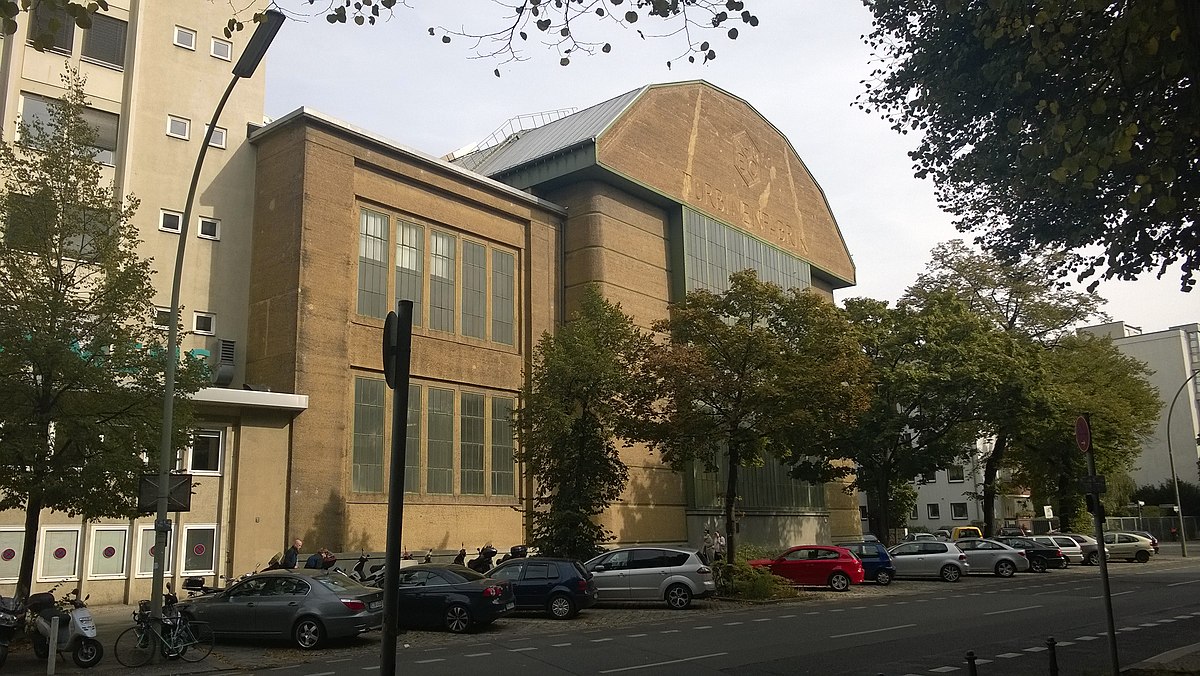
AEG's Turbine factory
📍 Berlin, Germany
The AEG Turbine Factory, an iconic structure in Berlin’s Bezirk Mitte, is a significant landmark that reflects the industrial heritage of the city. …
AKA-Radiergummifabrik
📍 Lower Saxony, Germany
The AKA-Radiergummifabrik, a significant former factory located in Hannover, Germany, offers a unique glimpse into the industrial past of the region. …

Alte Malzfabrik
📍 Lower Saxony, Germany
Alte Malzfabrik, located in Mülheim an der Ruhr, Germany, is an intriguing factory site that encapsulates the industrial heritage of the region. This …