How to Photograph German Heritage Sites in Winter: A Complete Technical Guide
Winter transforms German heritage sites into ethereal wonderlands, but the challenging light and weather demand different photographic approaches. This technical guide covers everything from camera settings to composition strategies for capturing stunning winter heritage photos.
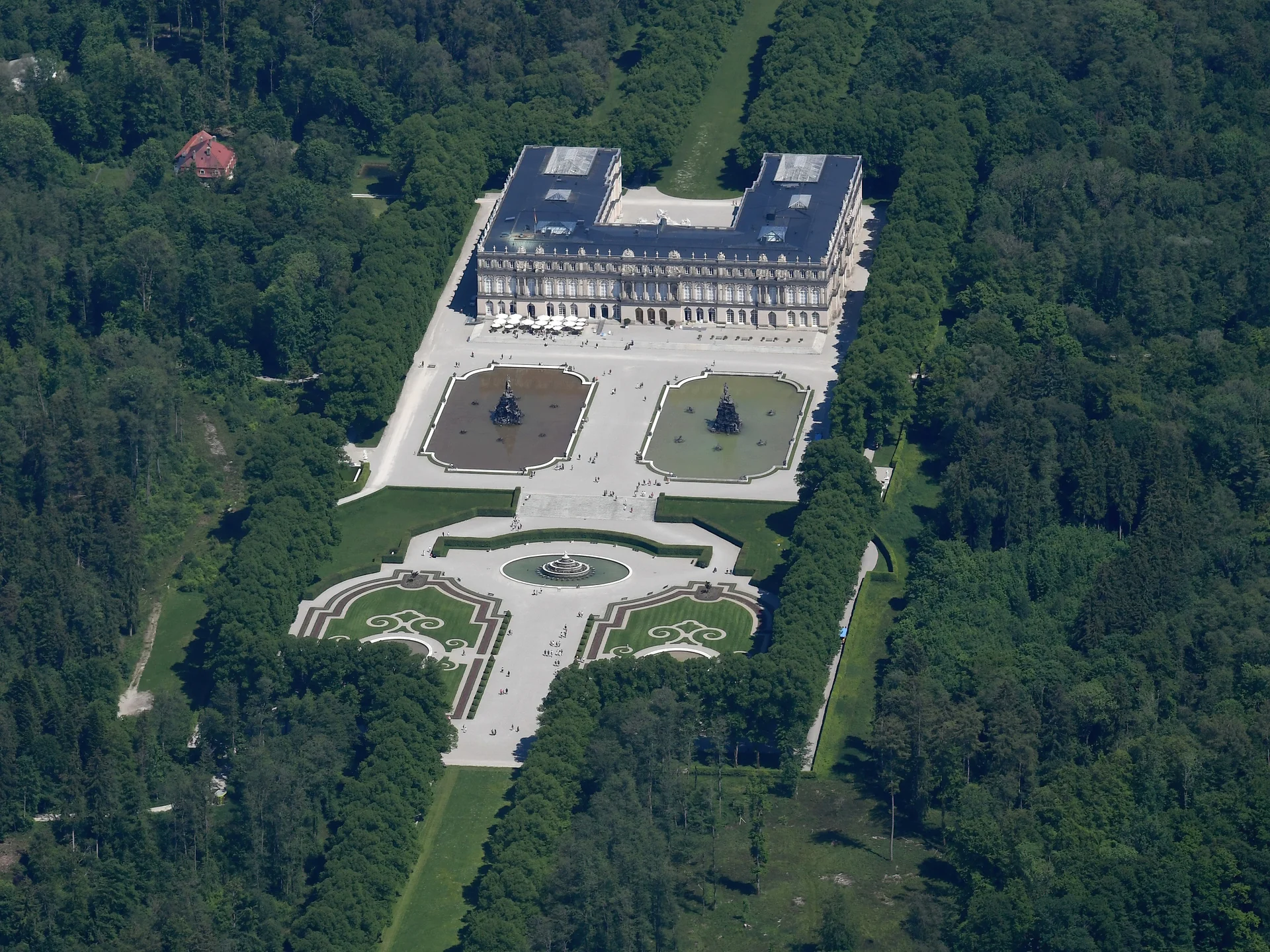
Last December, I spent three hours photographing Neuschwanstein Castle in a snowstorm. My fingers went numb, my lens kept fogging up, and I questioned every life choice that led me to stand on a frozen bridge in -5°C weather.
But when I reviewed the images that evening—castle towers emerging from swirling snow, soft winter light creating an otherworldly atmosphere, fresh powder covering every surface—I knew it was worth it. Winter heritage photography is challenging, but the results can be magical.
I’ve spent five winters photographing German heritage sites, from fog-shrouded Burg Eltz to snow-covered Wartburg Castle. This guide shares the technical knowledge and practical strategies I’ve developed for capturing these sites in their winter glory.
Why Winter Is Actually Ideal for Heritage Photography
Before we dive into technical details, let me make the case for winter photography:
✅ Fewer Crowds: Tourist sites are nearly empty November-February ✅ Dramatic Atmosphere: Fog, snow, and moody skies create ambiance ✅ Soft Light: Low winter sun provides flattering, directional light ✅ Unique Perspectives: Snow and ice transform familiar scenes ✅ Extended Golden Hour: The sun stays low, giving you more prime shooting time
❌ The Challenges:
- Limited daylight (8-9 hours vs. 16 in summer)
- Harsh weather conditions
- Battery drain from cold
- Condensation on lenses
- Difficult working conditions
The key is preparing for the challenges while maximizing the advantages.
Essential Gear for Winter Heritage Photography
Camera Body Requirements
Full-Frame Preferred (But Not Essential):
- Better high-ISO performance for low winter light
- Superior dynamic range for challenging contrast
- More robust weather sealing
My Setup: Canon EOS R5 (but I shot winters with a crop-sensor Canon 80D for years—it’s about skill, not gear)
Critical Features:
- Weather sealing (snow and moisture are constant)
- Good high-ISO performance (minimum ISO 3200 usable)
- Reliable autofocus in low contrast conditions
- Two card slots (backup in harsh conditions)
Lens Selection
The Winter Trinity:
1. Wide-Angle (16-35mm f/4 or 14-24mm f/2.8)
- Essential for architecture and environmental shots
- Captures scale of buildings with surrounding landscape
- Use stopped down (f/8-f/11) for front-to-back sharpness
- My pick: Canon RF 15-35mm f/2.8 (expensive but incredible in low light)
2. Standard Zoom (24-70mm f/2.8)
- Most versatile lens for heritage sites
- f/2.8 crucial for interior shots in dim light
- Handles 70% of my winter shooting
- Budget option: 24-105mm f/4 (lighter, cheaper, one-stop slower)
3. Telephoto (70-200mm f/4 or f/2.8)
- Isolates architectural details
- Compresses distance for dramatic effect
- Essential for shots you can’t physically approach
- My pick: 70-200mm f/4 (lighter than f/2.8, adequate aperture for exteriors)
Don’t Bring:
- Ultra-wide fisheyes (too much distortion for architecture)
- Prime lenses only (changing lenses in snow/rain is miserable)
- Gear you haven’t tested (winter is unforgiving)
Essential Accessories
Tripod (Non-Negotiable):
- Carbon fiber preferred (lighter, doesn’t conduct cold like aluminum)
- Sturdy enough for wind
- Spiked feet for ice and snow
- My choice: Really Right Stuff TFC-14 with BH-40 head
Filters:
- Polarizer: Reduces glare on snow, deepens blue skies, cuts through fog
- Graduated ND: Balances bright sky with darker foreground
- Clear protective filter: Keeps snow/rain off front element
Cold Weather Essentials:
- 4-6 spare batteries (cold drains them fast)
- Battery warmer packs (keep spares in inside pocket)
- Lens cloth (for condensation and snow)
- Rain cover (even for “weather sealed” cameras)
- Hand warmers (tape to camera body to prevent freezing)
- Lens hoods (keep snow off glass)
Optional But Useful:
- Remote shutter release (minimize vibration)
- L-bracket (quick portrait/landscape switching on tripod)
- Headlamp (winter daylight is short)
Camera Settings for Winter Conditions
The Snow Exposure Problem
The Challenge: Your camera’s meter sees all that white snow and tries to make it 18% gray, resulting in underexposed, muddy images.
The Solution: Exposure compensation and understanding your histogram.
My Base Settings for Winter Exteriors
Shooting Mode: Aperture Priority (Av/A) or Manual
I use Aperture Priority with Auto ISO for flexibility, switching to Manual when light is consistent.
Aperture: f/8 to f/11
- Why: Architecture needs front-to-back sharpness
- f/8: Sweet spot for most lenses (maximum sharpness)
- f/11: When you need extra depth of field
- Avoid: f/16 or smaller (diffraction reduces sharpness)
ISO: 100-400 (exterior day), 800-3200 (overcast/late afternoon)
- Keep it low in good light to minimize noise
- Don’t be afraid to raise it as light fades
- Modern cameras handle ISO 1600 beautifully
- Slight noise > motion blur from slow shutter
Shutter Speed: Depends on focal length
- Minimum: 1/focal length (1/50s at 50mm)
- With image stabilization: 2-3 stops slower (1/15s at 50mm)
- On tripod: Any speed (I often shoot 1/10s to 1s)
- Watch for: Wind-blown snow (1/250s+ to freeze motion)
Exposure Compensation: +1 to +2 stops for snow scenes
This is critical. Snow should look white, not gray.
Example Settings (Clear Winter Day):
- Wide castle shot: 16mm, f/11, 1/125s, ISO 100, +1.5 EV compensation
- Detail of facade: 70mm, f/8, 1/250s, ISO 200, +1 EV compensation
- Atmospheric fog: 35mm, f/5.6, 1/60s, ISO 400, +0.5 EV compensation
Settings for Overcast Days (My Favorite Condition)
Overcast winter days provide soft, even light—perfect for architecture.
Example Settings:
- Aperture: f/8 (sufficient depth, gathers more light than f/11)
- Shutter: 1/60s to 1/125s (usually adequate)
- ISO: 400-800 (don’t be shy)
- Exposure Compensation: +0.5 to +1 stop (snow still needs to be white)
White Balance: Daylight (5500K) or Custom
Winter light is quite blue. Daylight WB preserves that cool atmosphere. For warmer look, use 6000-6500K. Always shoot RAW so you can adjust later.
Settings for Interior Photography (Churches, Palaces)
The Challenge: Limited natural light, no tripods often prohibited, mixed lighting.
My Approach:
Aperture: f/4 to f/5.6
- Gather maximum light while maintaining reasonable depth
- f/2.8 if extremely dark (but watch focus plane)
ISO: 1600-6400
- Yes, really. High ISO is your friend in dim interiors.
- Noise is better than blur
- Denoise in post (Adobe/Topaz do miracles now)
Shutter Speed: 1/60s minimum (with IS), 1/125s safer
- Slower = camera shake
- Brace against walls/pillars if needed
- Consider small tabletop tripod (often allowed when full tripods aren’t)
Example: Inside Cologne Cathedral on winter afternoon:
- 24mm, f/5.6, 1/60s, ISO 3200
- Spot meter on mid-tone (stone column, not window)
- Expect blown highlights in windows (unavoidable)
Mastering Winter Light
The Best Times to Shoot
Golden Hour (Winter Edition):
In summer, golden hour is 6-8 AM and 7-9 PM. In winter in Germany, it’s more like:
- Morning: 8:00-9:30 AM
- Evening: 3:30-5:00 PM
Advantage: You get TWO golden hours without waking up at 4 AM.
What to Shoot:
- Castle facades lit by warm, low-angle light
- Long shadows creating depth and drama
- Snow glowing orange/pink in last light
Settings: ISO 100-400, f/8-f/11, 1/125-1/500s, +0.5 to +1 EV
Blue Hour (My Secret Weapon)
When: 30-45 minutes after sunset (around 5:00-5:45 PM in winter)
Why It’s Magic for Heritage Sites:
- Sky still has color (deep blue, not black)
- Artificial lights on buildings are on
- Snow reflects ambient light, staying visible
- Mood is atmospheric and moody
Settings for Blue Hour:
- Tripod essential (1-4 second exposures)
- f/8 to f/11 (front to back sharpness)
- ISO 800-1600 (keep it reasonable on tripod)
- Exposure: Meter for sky, let building lights glow
Example: Heidelberg Castle blue hour:
- 35mm, f/11, 2.5s, ISO 800
- Castle floodlights on, blue sky, city lights below = perfect
Overcast and Foggy Days (Actually Ideal)
Photographers complain about gray days. I seek them out for heritage sites.
Why Overcast Is Perfect:
- Soft, even light (no harsh shadows)
- Diffused light shows architectural detail
- Snow doesn’t blow out
- Moody atmosphere
How to Shoot:
- Exposure compensation: +0.5 to +1 stop
- Focus on composition and detail
- Use fog/clouds as compositional elements
- Emphasize textures
Fog Photography:
Fog transforms heritage sites into ethereal scenes. Wartburg Castle emerging from morning fog is one of my favorite shots.
Fog Settings:
- Exposure: Tricky—meter for subject, not fog
- Compensation: +1 to +1.5 stops (fog should be bright, not gray)
- Focus: Manual focus often needed (autofocus struggles in low contrast)
- White Balance: Slightly warm (5800-6200K) to offset cool fog
Composition Techniques for Winter Heritage Photography
Technique #1: Use Snow as Foreground Interest
The Concept: Fresh snow in foreground, heritage site in background, creates depth.
How to Execute:
- Wide-angle lens (16-35mm)
- f/11 for front-to-back sharpness
- Low angle (camera 1-2 feet off ground)
- Lead viewer’s eye from foreground snow to building
Example:
- Location: Hohenzollern Castle with snow-covered approach
- Settings: 16mm, f/11, 1/125s, ISO 200, +1 EV
- Composition: Snow-laden fir trees in foreground, castle on hilltop in background
Technique #2: Minimize and Simplify in Fog
The Concept: Fog reduces scenes to essential elements—use this.
How to Execute:
- Telephoto lens (70-200mm) to isolate subjects
- Expose for subject, let fog go bright (not gray)
- Minimal composition (building + fog = that’s it)
- Embrace negative space
Example:
- Location: Burg Eltz tower emerging from valley fog
- Settings: 200mm, f/8, 1/250s, ISO 800, +1.5 EV
- Composition: Castle tower fills one-third of frame, fog fills the rest
Technique #3: Capture Falling Snow (Motion Blur vs. Frozen)
Option A: Freeze Snowflakes (Dramatic)
- Shutter: 1/500s or faster
- Aperture: f/5.6 to f/8 (balance DOF and shutter speed)
- ISO: Whatever needed (often 1600-3200)
- Effect: Sharp snowflakes, dynamic feel
Option B: Blur Snowflakes (Atmospheric)
- Shutter: 1/30s to 1/60s
- Aperture: f/8
- ISO: Lower (400-800)
- Effect: Streaky snow, ethereal atmosphere
My Preference: Blurred snow at 1/60s. It feels more magical.
Technique #4: Reflections in Ice and Water
The Opportunity: Frozen or partially frozen water creates mirror reflections.
How to Execute:
- Symmetrical composition (castle + perfect reflection)
- Polarizer to control reflection intensity
- f/11 to f/16 for maximum depth of field
- Level horizon precisely (use in-camera level)
Example:
- Location: Moritzburg Castle reflected in frozen lake
- Settings: 24mm, f/11, 1/125s, ISO 200, polarizer, +0.5 EV
- Composition: 50/50 split—castle above, reflection below
Technique #5: Leading Lines with Snow-Covered Paths
The Concept: Use pathways, roads, or fences covered in snow to lead eye to heritage site.
How to Execute:
- Wide to standard focal length (16-50mm)
- Position path on left or right third (rule of thirds)
- Path should lead toward heritage site
- f/11 for sharpness throughout
Example:
- Location: Snow-covered path leading to Lichtenstein Castle
- Settings: 24mm, f/11, 1/125s, ISO 400
- Composition: Path starts bottom-left, winds to castle on cliff
Technique #6: Isolate Details with Telephoto
The Concept: Winter makes details (gargoyles, statues, ornaments) stand out against white.
How to Execute:
- Telephoto zoom (70-200mm)
- Aperture f/5.6 to f/8 (isolate subject slightly)
- Fill frame with detail
- Snow as clean, simple background
Example:
- Location: Gothic sculpture on Ulm Minster facade
- Settings: 135mm, f/5.6, 1/250s, ISO 400, +1 EV
- Composition: Sculpture fills frame, snow-covered roof out of focus behind
Technique #7: Embrace the Monochrome Look
When to Consider Black & White:
- Very overcast days with no color
- Foggy conditions with minimal color
- Emphasis on form, texture, and light over color
Conversion Approach:
- Shoot in color RAW (always)
- Convert in post (Lightroom/Photoshop)
- Increase contrast slightly
- Dodge and burn for drama
Best Subjects:
- Stone castles and cathedrals (texture)
- Gothic architecture (strong lines)
- Foggy, atmospheric conditions
Post-Processing Winter Heritage Photos
My Lightroom Workflow
Step 1: Exposure and White Balance
- Adjust exposure (usually +0.3 to +0.7 for snow)
- Set white balance (5500-6200K depending on desired mood)
- Check histogram (snow should be bright but not blown)
Step 2: Highlights and Shadows
- Pull highlights down (-20 to -40)
- Lift shadows slightly (+10 to +20)
- Don’t overdo it (maintain contrast)
Step 3: White and Black Points
- Hold Alt/Option while dragging Whites slider (until small areas clip)
- Do same for Blacks
- Snow should have texture, not be pure white blob
Step 4: Clarity and Texture
- Clarity: +10 to +20 (reveals architectural detail)
- Texture: +5 to +15 (brings out stone, wood details)
- Warning: Don’t overdo it—easy to make images look harsh
Step 5: Color Adjustments
- If image feels too blue (common in winter):
- Move temp slider warmer (+500K to +1000K)
- Or reduce blue saturation in HSL panel
- Enhance complementary colors (warm lights against blue hour, etc.)
Step 6: Lens Corrections and Transform
- Enable Profile Corrections (fixes distortion)
- Use Transform panel to fix converging verticals
- Architecture should look straight and true
Step 7: Sharpening and Noise Reduction
- Sharpening: 60-80 (Amount), 0.8-1.0 (Radius), 40-50 (Detail)
- Masking: 70-90 (sharpens edges only)
- Luminance Noise Reduction: 30-50 for high ISO shots
- Color Noise Reduction: 50-60
Common Mistakes to Avoid
Mistake #1: Making Snow Gray
- Snow should be bright, textured white
- If it looks gray, increase exposure
Mistake #2: Over-Processing HDR Look
- Pulling shadows up too much
- Excessive clarity
- Unnatural halos around objects
- Keep it subtle
Mistake #3: Unnatural White Balance
- Winter can look cool (blue) or warm (golden hour)
- Both are fine, but neon orange or alien purple aren’t
Mistake #4: Blown Highlights with No Recovery
- Check histogram during shoot
- If sky or snow blown out completely, no post-processing fixes it
- Expose right (ETTR) but not too far
Practical Winter Shooting Tips
Dealing with Condensation
The Problem: Coming inside with cold camera = instant condensation on lens and body.
The Solution:
- Before entering: Put camera in camera bag, seal it
- Let it warm up slowly: Keep sealed for 30-60 minutes
- Then open: Condensation forms on bag, not camera
Emergency Fix: If you must shoot immediately, use lens cloth constantly and work fast.
Battery Management
Cold kills batteries. A battery that lasts 400 shots in summer might die after 150 in -5°C.
My System:
- Start with 4 fully-charged batteries
- Keep 3 in inside jacket pocket (body heat)
- Rotate them every 50-100 shots
- Never leave dead battery in camera (remove when spent)
Protecting Your Gear
Weather Sealing Isn’t Magic:
- Cover camera with rain cover in heavy snow
- Use lens hood (keeps snow off front element)
- Blow snow off camera regularly (don’t let it accumulate and melt)
- Have lens cloth handy (snow on viewfinder is annoying)
Tripod in Snow:
- Push legs into snow until stable
- Use spiked feet if available
- Hook weight to center column for stability in wind
- Check frequently (snow shifts)
Staying Comfortable (So You Keep Shooting)
Gloves:
- Photography gloves with finger flaps (can expose fingertips)
- Hand warmers in pockets
- Bring backup gloves (primary pair gets wet)
Layers:
- Base layer (moisture-wicking)
- Insulation layer (fleece/down)
- Shell layer (waterproof/windproof)
Feet:
- Waterproof winter boots essential
- Wool socks (two pairs if really cold)
- You’ll stand in snow for long periods
I’m not kidding: Comfort determines whether you stick around for the perfect light or give up and go inside. Dress warmer than you think necessary.
Location-Specific Winter Photography Tips
Castles on Hills (Neuschwanstein, Hohenzollern, Lichtenstein)
Challenges:
- Windy (secure tripod, protect gear)
- Snowy approach (boots, poles)
- Limited vantage points
Best Approach:
- Scout location in fall (don’t figure out compositions in snow)
- Arrive early (approaches take longer in winter)
- Bring headlamp (light fades fast)
Recommended: Hohenzollern Castle at sunset—dramatic hilltop silhouette
Cathedrals and Churches (Cologne, Ulm, Freiburg)
Interior Challenges:
- Tripods often prohibited
- Mixed lighting (daylight windows + interior tungsten)
- High contrast (brilliant stained glass vs. dark stone)
My Approach:
- High ISO (1600-6400), image stabilization, brace on pew
- Spot meter on mid-tone (column, not window)
- Accept blown windows (can’t capture full dynamic range)
Exterior Opportunities:
- Snow on Gothic details (gargoyles, statues)
- Night with snow falling around floodlit facades
Recommended: Cologne Cathedral blue hour with snow
Palaces with Grounds (Würzburg, Schwerin, Moritzburg)
Advantages:
- Multiple vantage points in gardens
- Formal gardens beautiful under snow
- Often less crowded in winter
My Approach:
- Wide-angle for palace + gardens
- Look for symmetry (formal gardens are designed for it)
- Reflection opportunities in fountains/ponds
Recommended: Schwerin Castle reflected in frozen lake
Valley Castles (Burg Eltz)
Fog Opportunities:
- Valley fog is common in winter
- Castle emerging from mist = magical
- Arrive before sunrise (fog burns off by 10 AM)
My Approach:
- Telephoto from viewpoint (70-200mm)
- Expose for castle, let fog go bright
- Multiple exposures as fog shifts
Recommended: Burg Eltz in morning valley fog
Winter Photography Etiquette
Respect Opening Hours:
- Many sites have reduced winter hours
- Some close November-March
- Check websites before traveling
Be Mindful of Others:
- Don’t block pathways with tripod
- Step aside for tour groups
- Quick shots if you’re holding people up
Safety First:
- Icy paths are dangerous
- Don’t risk injury for a photo
- Know when to call it (frostbite is real)
Drone Photography:
- Most heritage sites prohibit drones
- Heavy fines for violations
- Get permission or don’t fly
Camera Settings Quick Reference
Clear Winter Day (Snow, Sunshine):
- Mode: Aperture Priority
- Aperture: f/8-f/11
- ISO: 100-400
- Exposure Comp: +1 to +2
- White Balance: 5500K
- Shutter: 1/125s+
Overcast Winter Day:
- Mode: Aperture Priority
- Aperture: f/8
- ISO: 400-800
- Exposure Comp: +0.5 to +1
- White Balance: 5800K
- Shutter: 1/60s-1/125s
Blue Hour (Tripod):
- Mode: Manual
- Aperture: f/8-f/11
- ISO: 800-1600
- Exposure: 1-4 seconds
- White Balance: 5500K
- Shutter: Check histogram
Foggy Morning:
- Mode: Aperture Priority or Manual
- Aperture: f/5.6-f/8
- ISO: 400-1600
- Exposure Comp: +1 to +1.5
- White Balance: 6000K
- Shutter: Varies
Interior (No Tripod):
- Mode: Aperture Priority
- Aperture: f/4-f/5.6
- ISO: 1600-6400
- Exposure Comp: +0.5
- White Balance: Auto or 4000K
- Shutter: 1/60s minimum
Final Thoughts
Winter heritage photography is demanding. You’ll deal with cold, short days, challenging light, and gear management issues. But the payoff—ethereal fog-shrouded castles, snow-covered Gothic cathedrals, dramatic blue hour scenes—makes every frozen finger worthwhile.
My advice: Start with one site in good weather. Master the technical aspects before adding the challenge of extreme conditions. Build slowly. And always, always bring extra batteries.
Capture Your Own Winter Magic
Ready to photograph German heritage sites in winter? Explore our photography-friendly sites guide with best viewpoints and golden hour timing, or check out our complete photography tutorials.
More Photography Resources:
- How to Photograph German Cathedrals - Interior and exterior techniques
- 15 Most Instagrammable Heritage Sites - Best photo opportunities
- Camera Gear for Travel Photography - What to pack
What winter heritage photo are you most excited to capture? Questions about specific techniques or locations? Let me know in the comments.
Anna Hoffmann is a professional architectural photographer specializing in German heritage sites. She spends at least eight weeks each winter photographing castles, cathedrals, and palaces across Germany, often in conditions most sane people would avoid. Find more of her technical photography guides at World Heritage Germany.
Anna Hoffmann
Heritage Photographer
Professional photographer specializing in architectural and cultural heritage. Anna's work has been featured in National Geographic and leading travel publications. She teaches workshops on heritage photography techniques.