10 Most Impressive Castles in Germany for First-Time Visitors
Planning your first German castle visit? Start with these 10 spectacular fortresses that showcase the country's rich medieval heritage. Each one offers something unique, from mountain views to Renaissance splendor.
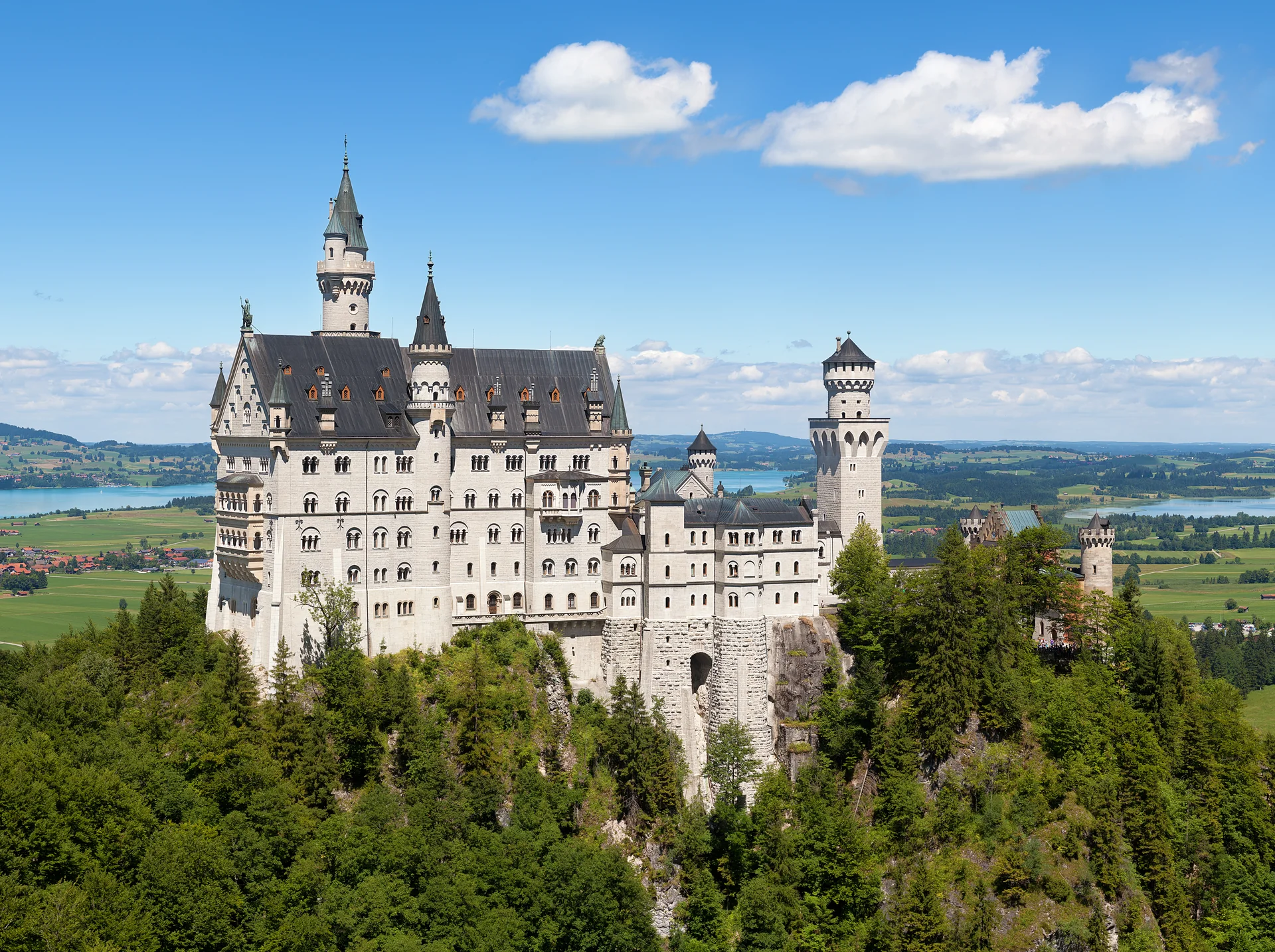
I’ll never forget my first German castle visit. I showed up at Neuschwanstein on a foggy November morning, joined a tour group of 60 people, and spent most of the time staring at the back of someone’s head. Not exactly the romantic castle experience I’d imagined.
Since then, I’ve visited over 100 German castles and learned a thing or two about making the most of these incredible sites. Some are tourist magnets that require advance planning, while others are hidden gems where you’ll have the place practically to yourself.
This list focuses on the castles that made the biggest impression on me—the ones I’d recommend to anyone visiting Germany for the first time. Whether you’re into fairy-tale fantasy, medieval history, or just stunning views, there’s something here for you.
What Makes These Castles Special?
Before we dive in, let me explain my selection criteria:
✅ Accessibility: Easy to reach by car or public transport ✅ Visitor-Friendly: Good signage, tours available, decent facilities ✅ Visual Impact: These castles will make your jaw drop ✅ Historical Significance: Each has fascinating stories to tell ✅ Worth the Trip: You won’t regret spending half a day here
I’ve skipped castle ruins (as impressive as they are) and focused on well-preserved fortresses where you can really imagine life in medieval and Renaissance Germany.
1. Neuschwanstein Castle: The Fairy-Tale Icon
Location: Bavaria, near Füssen Best For: First-time visitors, Disney fans, photographers Time Needed: 3-4 hours Difficulty: Moderate uphill walk
Let’s start with the obvious one. Neuschwanstein Castle is Germany’s most photographed building for good reason—it looks like it belongs in a fairy tale because it literally inspired Disney’s Sleeping Beauty Castle.
What I Love About It:
King Ludwig II built this Romanesque Revival palace in the late 1800s as a romantic retreat. The irony? This “medieval” castle is actually younger than the Brooklyn Bridge and features cutting-edge 19th-century technology like central heating and running water on every floor.
The location is spectacular. Neuschwanstein sits on a rugged hill above the village of Hohenschwangau, with the Alps as a backdrop. The view from Marienbrücke (Mary’s Bridge) is Instagram gold—arrive early morning to avoid crowds.
Practical Tips:
- Book tickets online weeks in advance—they sell out fast in summer
- Visit in fall or winter for fewer crowds and dramatic fog
- The interior tour is mandatory and takes 30 minutes
- Don’t miss nearby Hohenschwangau Castle where Ludwig actually grew up
My Take: Yes, it’s touristy. Yes, you’ll share the experience with hundreds of others. But seeing Neuschwanstein in person is still magical. Just manage your expectations and book smart.
2. Wartburg Castle: Where Luther Changed History
Location: Thuringia, above Eisenach Best For: History buffs, UNESCO enthusiasts, hikers Time Needed: 2-3 hours Difficulty: Uphill walk or shuttle available
Wartburg Castle doesn’t have Neuschwanstein’s fairy-tale looks, but its historical significance is off the charts. This UNESCO World Heritage Site is where Martin Luther translated the New Testament into German while hiding from the Catholic Church in 1521-1522.
What Makes It Special:
The castle dates back to 1067 and represents nearly 1,000 years of German history. The Romanesque palace is one of the best-preserved of its period. The Great Hall is stunning, with its medieval atmosphere intact.
But what really gets me is standing in the room where Luther worked. He completed his translation in just 11 weeks—a feat that fundamentally changed Christianity and the German language itself.
Don’t Miss:
- Luther’s room with period furnishings
- The Festsaal (Festival Hall) with incredible Wartburg legends depicted in murals
- The castle museum with medieval weapons and art
- The view over the Thuringian Forest
Insider Tip: Visit on a weekday morning. Tour groups arrive after 10 AM, so you’ll have the place practically to yourself before then. The walk up through the forest is beautiful and takes about 20 minutes.
3. Heidelberg Castle: Romantic Ruins with a View
Location: Baden-Württemberg, above Heidelberg Best For: Romantic couples, wine lovers, photographers Time Needed: 2-3 hours Difficulty: Funicular available
Okay, I know I said I’d skip ruins, but Heidelberg Castle is the exception. These picturesque Renaissance ruins overlook one of Germany’s most charming cities, and the combination is unbeatable.
Why It’s Worth It:
The castle was partially destroyed by French troops in the 17th century and later by lightning strikes. Rather than rebuild, they left it as romantic ruins—and it became one of Europe’s most beloved monuments during the Romantic era.
Highlights:
- The Great Barrel (Heidelberger Fass): A wine barrel that holds 220,000 liters. Yes, you read that right.
- The Ottheinrich Wing: Beautiful Renaissance architecture with ornate facades
- The castle gardens: Formal gardens with stunning views over Heidelberg and the Neckar River
- The pharmacy museum: One of the best collections of historical pharmaceutical equipment in Germany
Perfect Day Plan:
- Take the funicular up in the morning
- Tour the castle (1.5 hours)
- Have lunch at the castle restaurant with killer views
- Walk down through the old town
- Stroll along the Neckar River
The ruins are actually more photogenic than a pristine castle would be. Late afternoon golden hour is magical here.
4. Burg Eltz: The Hidden Gem
Location: Rhineland-Palatinate, near Moselkern Best For: Castle enthusiasts, photographers, families Time Needed: 2-3 hours Difficulty: 15-minute forest walk
If Neuschwanstein is Germany’s most famous castle, Burg Eltz is its most beloved. This medieval castle nestled in a forested valley has been owned by the same family for over 850 years—33 generations.
What Makes Burg Eltz Unique:
Unlike most castles that were destroyed in wars, Burg Eltz survived intact because the Eltz family skillfully navigated political conflicts. It’s never been conquered or significantly damaged. This means the interior is a time capsule of medieval and Renaissance life.
Inside the Castle:
The 40-minute guided tour takes you through rooms that feel lived-in (because they were, until recently). You’ll see:
- Original medieval kitchens with open hearths
- The family’s treasure chamber with priceless gold and silver
- Bedrooms with 500-year-old furniture
- Weapons and armor from the Middle Ages
Getting There:
This castle requires effort. You can’t drive directly to it—you park and walk 15 minutes through a gorgeous forest valley. The approach alone is worth it; suddenly, the castle towers appear through the trees like something from a fantasy novel.
Photography Tip: The classic shot is from the viewpoint before the final descent. Visit on a misty morning for an ethereal atmosphere, or in fall when the forest glows with autumn colors.
5. Hohenzollern Castle: The Prussian Crown Jewel
Location: Baden-Württemberg, near Hechingen Best For: History enthusiasts, panorama lovers Time Needed: 2-3 hours Difficulty: Shuttle bus available from parking
Hohenzollern Castle sits atop a 234-meter hill and looks like something from a medieval epic—except it was largely rebuilt in the 19th century. This was the ancestral seat of the Hohenzollern dynasty, which produced German emperors and Prussian kings.
The Experience:
On a clear day, you can see the Alps from the castle ramparts. The location is commanding—you understand why this hilltop was fortified since the 11th century.
The interior is more opulent than most German castles. This isn’t a drafty medieval fortress; it’s a 19th-century neo-Gothic palace with royal treasures, including the Prussian royal crown.
What to See:
- The Crown Vault with the Prussian royal crown
- The Treasure Chamber with letters from Frederick the Great and George Washington
- The chapel with stunning stained glass
- The castle gardens and panoramic terraces
Visiting Tips:
- Two tour options: Imperial rooms (more interesting) or casemates and chapel
- The walk from the parking lot is steep—take the shuttle if you’re not up for it
- Best visited spring through fall; winter can be closed due to ice
- Sunset views are spectacular
6. Würzburg Residence: Baroque Brilliance
Location: Bavaria, in Würzburg city center Best For: Architecture lovers, art enthusiasts, UNESCO collectors Time Needed: 2 hours Difficulty: Wheelchair accessible
Technically a palace rather than a defensive castle, the Würzburg Residence is too spectacular to skip. This UNESCO World Heritage Site is considered one of Europe’s finest Baroque palaces.
The Show-Stopper:
The Treppenhaus (Grand Staircase) features the world’s largest ceiling fresco by Giovanni Battista Tiepolo. It depicts the four continents known in the 18th century, and it’s absolutely breathtaking. I’ve stood there for 20 minutes just taking it in.
Why It’s Worth Your Time:
This palace showcases the wealth and power of the Prince-Bishops of Würzburg. Every room is more ornate than the last—the Kaisersaal (Imperial Hall), the White Hall, the Mirror Cabinet with gilded stucco work that makes Versailles look restrained.
Practical Info:
- Located right in Würzburg’s city center—easy to reach
- Excellent audio guide included with admission
- The Court Gardens are free and perfect for a post-tour stroll
- Combine with wine tasting in Würzburg’s famous vineyards
Best For: If you appreciate art history, interior design, or Baroque architecture, this is a must-visit. It’s less “castle adventure” and more “art museum in palatial setting,” but world-class.
7. Marienburg Castle: 19th-Century Romance
Location: Lower Saxony, south of Hannover Best For: Royal history fans, Gothic Revival enthusiasts Time Needed: 2 hours Difficulty: Uphill walk or car to castle
Marienburg Castle is Germany’s newest castle on this list (completed 1867), and it’s a perfect example of 19th-century romantic historicism. King George V of Hanover built it as a birthday present for his wife, Queen Marie.
What’s Special:
This is a neo-Gothic fantasy realized with Victorian-era precision. Unlike Neuschwanstein’s fantastical interpretation of medieval style, Marienburg studied actual Gothic architecture carefully and recreated it with modern comfort.
Highlights:
- The private royal apartments preserved in original condition
- The chapel with stunning stained glass windows
- The tower climb for panoramic views
- Original furnishings and decorative arts
Why I Love It:
Marienburg feels personal. It wasn’t built to intimidate enemies or project power—it was a home, a gift of love. The scale is more intimate than massive royal palaces, and the attention to detail is incredible.
Visiting Notes:
- Guided tours only (German and English available)
- Actively maintained by the Welf family (descendants of the original owners)
- Less crowded than more famous castles
- Beautiful in all seasons, especially with snow
8. Schwerin Castle: The Floating Palace
Location: Mecklenburg-Vorpommern, in Schwerin city Best For: Fairy-tale seekers, garden lovers, lake views Time Needed: 2-3 hours Difficulty: Flat, fully accessible
Schwerin Castle sits on an island in Lake Schwerin and looks like it’s floating. With its golden domes, turrets, and romantic design, it rivals Neuschwanstein for fairy-tale appeal—but with a fraction of the crowds.
The Setting:
Approached across a bridge, surrounded by water, with baroque gardens stretching behind it, Schwerin Castle is ridiculously photogenic. The castle we see today is mostly a 19th-century creation, though the site has been fortified since the 10th century.
What to Explore:
- The Throne Room and Ancestors’ Gallery (impressive state rooms)
- The castle museum with art and historical exhibits
- The castle church with ornate interior
- The extensive palace gardens, free to explore
Bonus:
The castle now houses the state parliament of Mecklenburg-Vorpommern, so parts are working government buildings. You might see politicians walking the same halls as 19th-century dukes.
Best Time to Visit:
Summer, when you can also take boat tours on the lake and the gardens are in full bloom. The Christmas market here is also lovely if you’re visiting in December.
9. Lichtenstein Castle: The Cliff-Hanger
Location: Baden-Württemberg, near Reutlingen Best For: Dramatic views, architecture lovers, day-trippers Time Needed: 1-2 hours Difficulty: Steep approach on foot
Lichtenstein Castle perches on a cliff edge 817 meters above sea level, seemingly defying gravity. This is Germany’s most dramatically situated castle—it looks like it could tumble into the valley at any moment.
The Experience:
Built in the 1840s (yes, it’s newer than it looks), Lichtenstein was inspired by Wilhelm Hauff’s novel “Lichtenstein.” It’s a Romantic-era fantasy of what a medieval knight’s castle should look like, complete with drawbridge and keep.
Why It’s on This List:
The location is everything. Standing on the castle’s terrace, looking down at the Echaz valley far below, is exhilarating. The castle interior is interesting but modest—this is all about the setting and architecture.
Practical Tips:
- Tours are mandatory and in German (English info sheets available)
- The approach involves steps—not suitable for those with mobility issues
- Combines well with a hike in the Swabian Alps
- Less crowded than Bavaria’s famous castles
Photography: The approach trail gives you the classic shot of the castle on its cliff. Best light is in the afternoon.
10. Moritzburg Castle: The Hunting Lodge
Location: Saxony, near Dresden Best For: Baroque architecture fans, Cinderella enthusiasts, families Time Needed: 2 hours Difficulty: Flat, fully accessible
Moritzburg Castle is a yellow Baroque hunting lodge surrounded by a man-made lake. It’s wonderfully symmetrical, perfectly reflected in the water, and surprisingly interesting inside.
What Makes It Fun:
Saxon rulers used Moritzburg for royal hunting parties. The interior reflects this—antler chandeliers, painted leather wallpaper featuring hunting scenes, and a collection of antlers that’s both impressive and slightly overwhelming.
Highlights:
- The Feather Room: walls and ceiling entirely covered in millions of colorful bird feathers (yes, really)
- The porcelain collection: Chinese and Meissen porcelain displayed in period rooms
- The Fasanenschlösschen (Little Pheasant Castle): a miniature Rococo jewel-box nearby
- The grounds: perfect for walking, especially beautiful in autumn
Pop Culture Note:
Film buffs might recognize Moritzburg from the 1970s “Three Wishes for Cinderella” (Aschenbrödel), a beloved fairy-tale film in Germany and Czech Republic.
Best Visited:
Combine with a trip to Dresden (15 km away). The castle hosts excellent Christmas markets and events throughout the year. The lake is scenic year-round but especially beautiful when frozen in winter.
How to Plan Your Castle Route
Visited all 10? You’re a German castle expert! But realistically, here’s how to tackle them efficiently:
Bavaria Route (3-4 days):
- Day 1: Neuschwanstein + Hohenschwangau
- Day 2: Würzburg Residence + wine region
- Day 3: Day trip from Munich to your choice
Central Germany Route (2-3 days):
- Day 1: Wartburg Castle (base in Eisenach)
- Day 2: Heidelberg Castle + old town exploration
- Day 3: Rhine Valley castles (many options)
Hidden Gems Route (3 days):
- Day 1: Burg Eltz (stay in Cochem on the Mosel)
- Day 2: Hohenzollern Castle
- Day 3: Lichtenstein Castle
Eastern Route (2 days):
- Day 1: Schwerin Castle
- Day 2: Moritzburg + Dresden
Essential Castle-Visiting Tips
After visiting 100+ German castles, here’s what I’ve learned:
🎫 Tickets & Timing:
- Book Neuschwanstein and Hohenzollern online in advance
- Visit popular castles early morning or late afternoon
- Weekdays are less crowded than weekends
- Many castles close or have reduced hours November-March
👟 What to Wear:
- Comfortable walking shoes (many involve uphill approaches)
- Layers (castle interiors can be cold even in summer)
- Weather-appropriate gear (you’ll often be outside)
📸 Photography:
- Interior photography rules vary—ask first
- Exterior photography is usually fine
- Best light is golden hour (especially for cliff-top castles)
- Bring a wide-angle lens for architecture
🍽️ Food:
- Most major castles have cafes or restaurants
- Smaller castles might not—pack snacks
- Castle restaurants often have great views but mediocre food
- Better to eat in nearby towns
♿ Accessibility:
- Medieval castles usually aren’t wheelchair accessible
- 19th-century palaces (Würzburg, Schwerin, Moritzburg) usually are
- Check individual castle websites for specific accessibility info
Your Turn: Which Castle First?
If you only have time for one castle, here’s my recommendation based on what you care about most:
- Best Fairy-Tale Experience: Neuschwanstein
- Best Historical Significance: Wartburg
- Best Hidden Gem: Burg Eltz
- Best Views: Hohenzollern
- Best Architecture: Würzburg Residence
- Best for Photographers: Lichtenstein
- Best for Families: Schwerin or Moritzburg
- Best Romantic Setting: Heidelberg
My personal favorite? Burg Eltz. It has everything—medieval authenticity, stunning location, fascinating history, and it doesn’t feel like a tourist trap. But you really can’t go wrong with any of these.
Plan Your Perfect Castle Visit
Ready to explore Germany’s castle heritage? Start with our complete castle guide featuring detailed visitor information for every castle in Germany, or use our interactive map to plan your route.
More Castle Resources:
- How to Photograph German Castles - Camera settings and composition tips
- Medieval Germany: 30 Historic Sites - Beyond castles
- Bavaria Heritage Road Trip - Week-long itinerary
Have you visited any of these castles? Found a hidden gem I should add to my list? Share your experiences in the comments below!
Max Fischer is a travel writer and heritage enthusiast who has visited over 100 German castles in the past five years. He’s still not tired of climbing castle hills. Find more of his practical travel guides at World Heritage Germany.
Max Fischer
Travel Journalist
Award-winning travel writer with a passion for uncovering hidden gems across Germany. Having explored over 500 heritage sites, Max brings practical insights and local perspectives to his writing.